
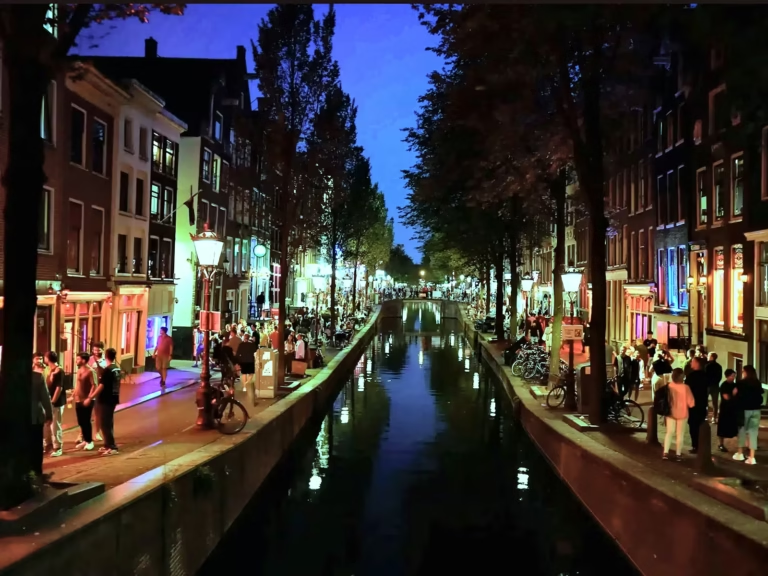
The neighborhood known as De Wallen (Red Light District) forms the historical core of Amsterdam. Its name refers to the walls or embankments that once protected the medieval city. Today, the area is a complex mix of historical monuments, residential housing, and commercial activities. Visitors to De Wallen (Red Light District) often explore its narrow alleys and canals, such as the Oudezijds Voorburgwal. The district is currently subject to various urban renewal initiatives by the City of Amsterdam, aimed at balancing tourism with the quality of life for local residents. Understanding the regulations and the historical context of the neighborhood is essential for any visitor.
In this blog:
The Medieval Origins of De Wallen
The history of De Wallen (Red Light District) began in the 13th century when a settlement was established around a dam in the Amstel river. This area was divided into two main parts: the Oudezijde (Old Side) and the Nieuwezijde (New Side). The Oudezijde, where De Wallen (Red Light District) is located, was the first to be developed. The neighborhood’s name is derived from the “burgwallen,” the earthen walls and moats that served as the city’s primary defense system before the 17th-century expansion.
During the Middle Ages, the district was the center of Amsterdam’s maritime trade. Because of its proximity to the harbor, it was a hub for sailors, merchants, and laborers. This international influx laid the groundwork for the area’s diverse commercial nature. As the city grew, the earthen walls were replaced by stone fortifications, and the moats were transformed into the canals that still define the neighborhood’s layout today. The architectural heritage from this period is still visible in the many national monuments (Rijksmonumenten) found along the Oudezijds Voorburgwal and Oudezijds Achterburgwal.
Tip: The Oude Kerk, located at Oudekerksplein 23, was officially consecrated in 1306 by the bishop of Utrecht.
How to get there?
Plan my journey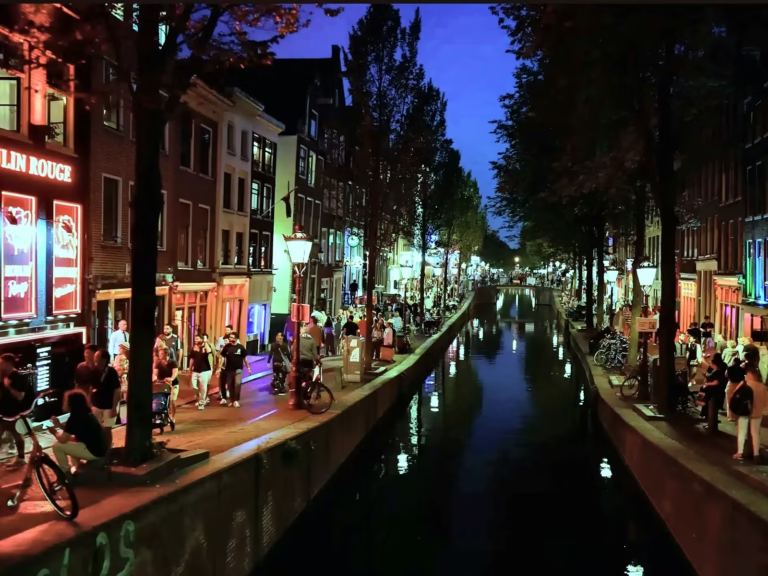
The Oude Kerk: Amsterdam’s Oldest Building
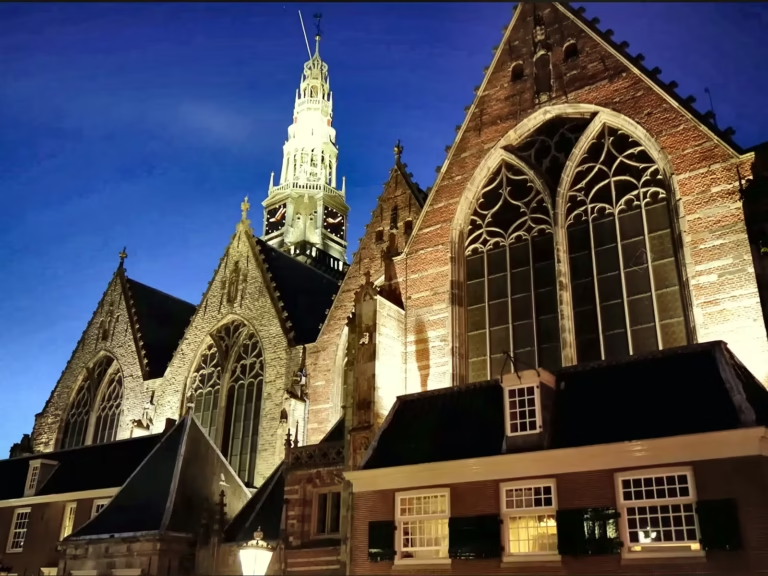
In the center of De Wallen (Red Light District) stands the Oude Kerk (Old Church). This structure is the oldest surviving building in Amsterdam. Originally a wooden chapel, it was rebuilt as a stone gothic basilica over several centuries. The church served as a central meeting place for the city’s residents and was used for both religious services and maritime business. Its floor is composed entirely of gravestones, as it served as a cemetery for prominent citizens, including the wife of the painter Rembrandt van Rijn, Saskia van Uylenburgh.
The presence of the Oude Kerk in the middle of a district known for its secular activities highlights the unique social fabric of Amsterdam. For centuries, the church and the surrounding industry have coexisted within a few meters of each other. The church now functions as a contemporary art space while maintaining its status as a Protestant house of worship. The tower of the church, added in the 16th century, provides a fixed point in the skyline of De Wallen (Red Light District) and houses a famous carillon.
Tip: Saskia van Uylenburgh was buried in the Oude Kerk on June 19, 1642, in grave number 29 under the small organ.
Virtual walk tour Red Light District
The Development of the Red Light District
The association of De Wallen (Red Light District) with sex work is not a modern phenomenon but is tied to its maritime history. Since the 14th century, the presence of sailors arriving in the port led to the development of guesthouses, taverns, and prostitution. In the 16th century, during the Protestant Reformation, the city authorities attempted to ban the practice, but it continued to operate clandestinely in “speelhuizen” (playhouses).
In the 19th and early 20th centuries, the industry became more visible and regulated. The modern “window prostitution” that characterizes De Wallen (Red Light District) today emerged as a way to circumvent laws against brothels while still allowing workers to operate independently. The legalization of brothels in the Netherlands in 2000 further integrated the industry into the formal economy, subjecting it to health, safety, and taxation regulations. This historical continuity makes the area one of the most studied examples of urban social policy in the world.
(the post will continue after this block)
Amsterdam Top 10 MUST SEE!
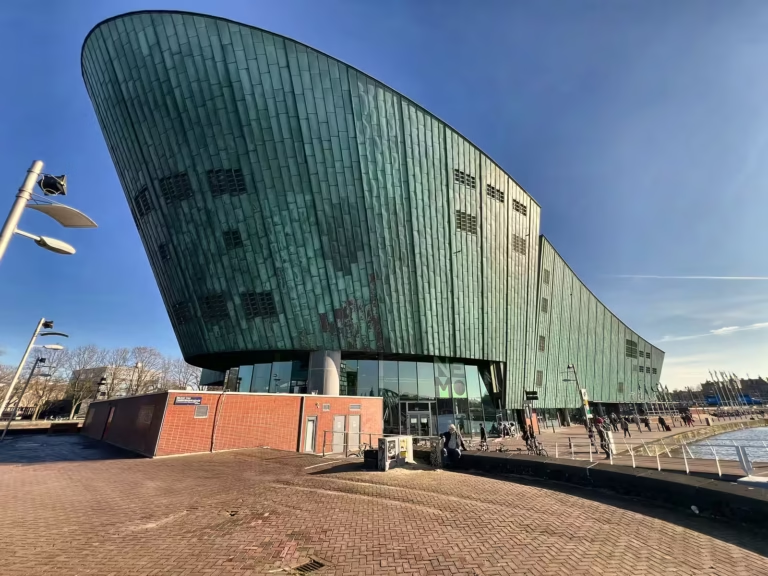
1. NEMO SCIENCE MUSEUM
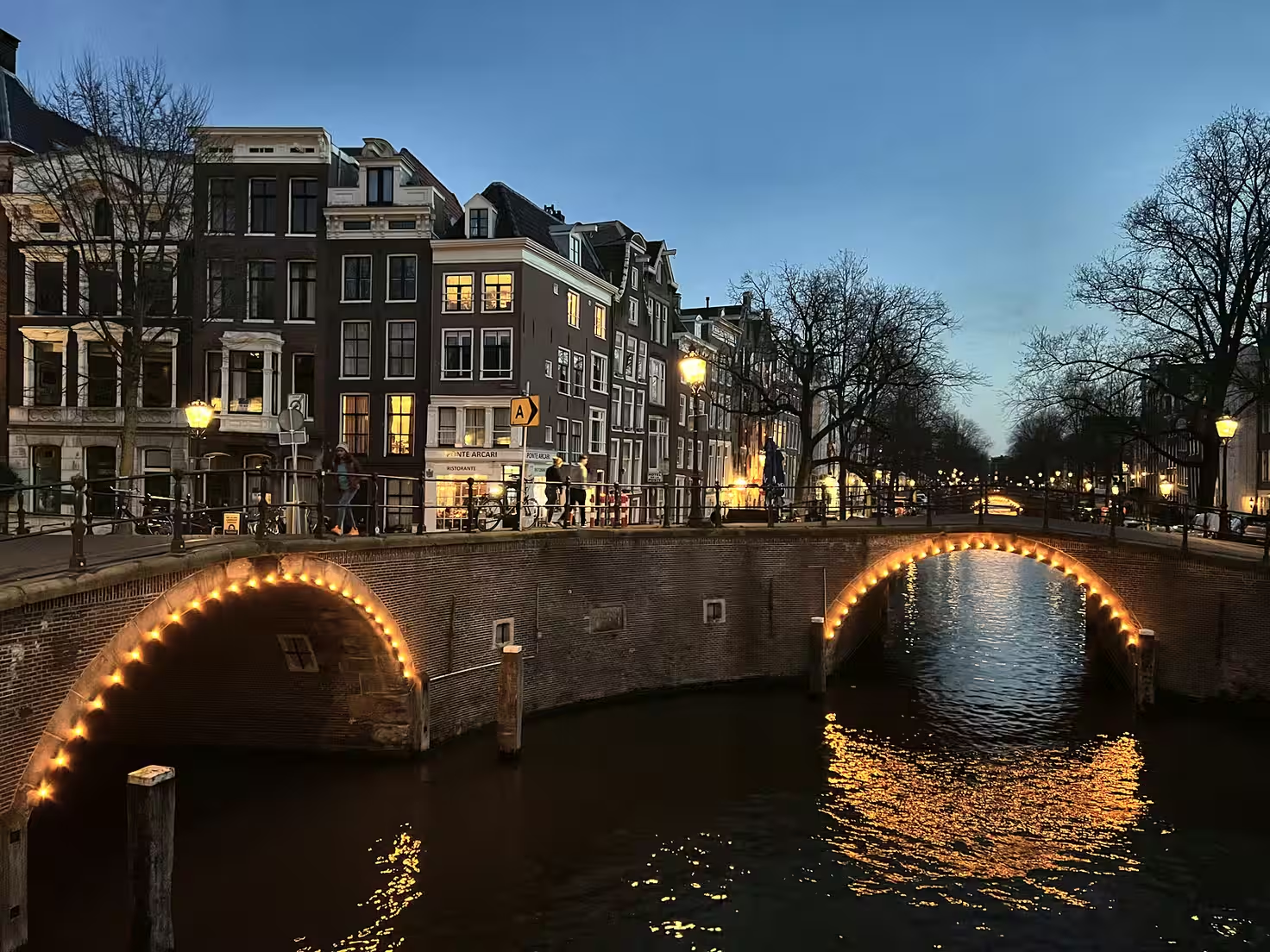
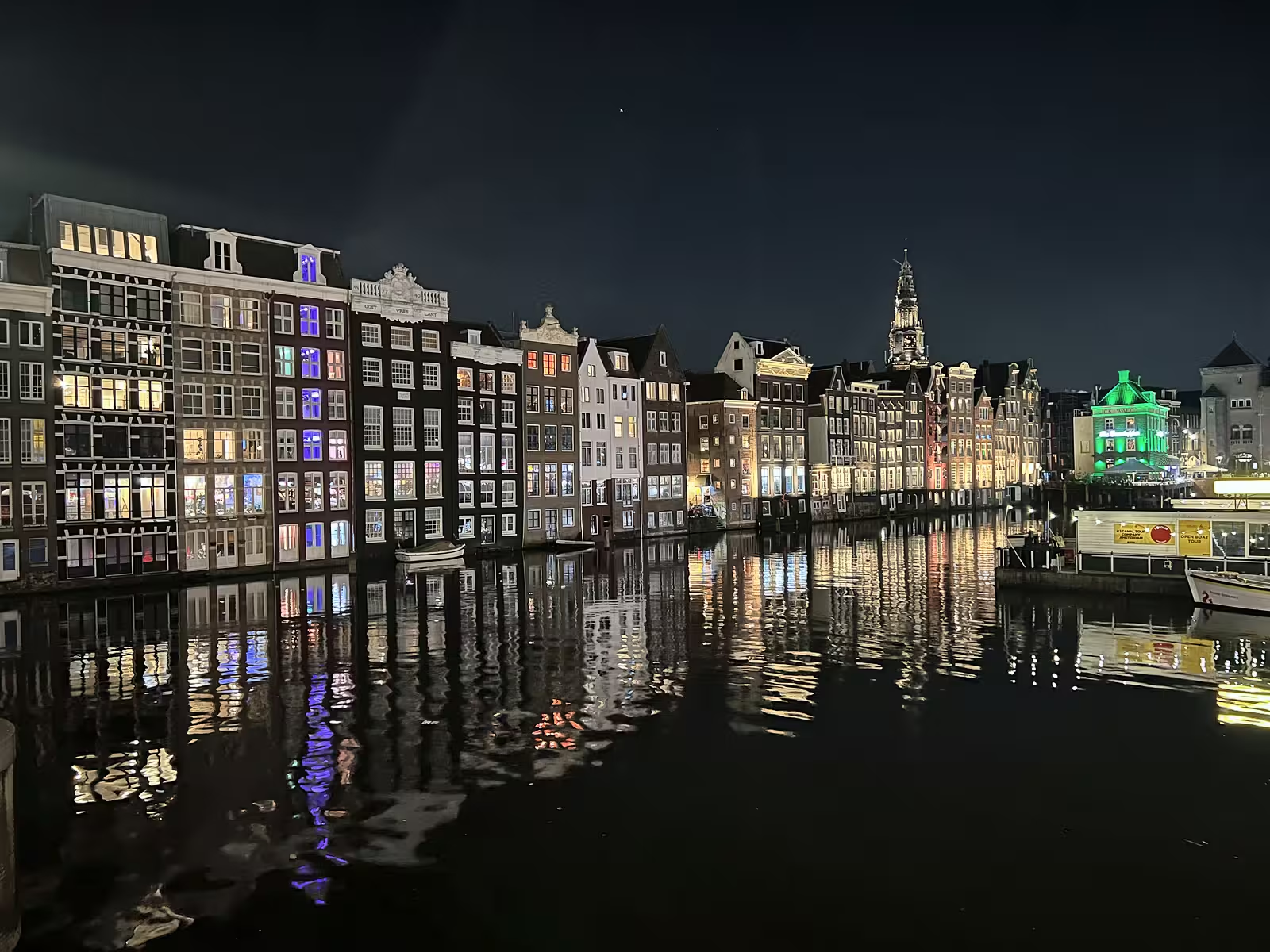
2. CANALS AMSTERDAM
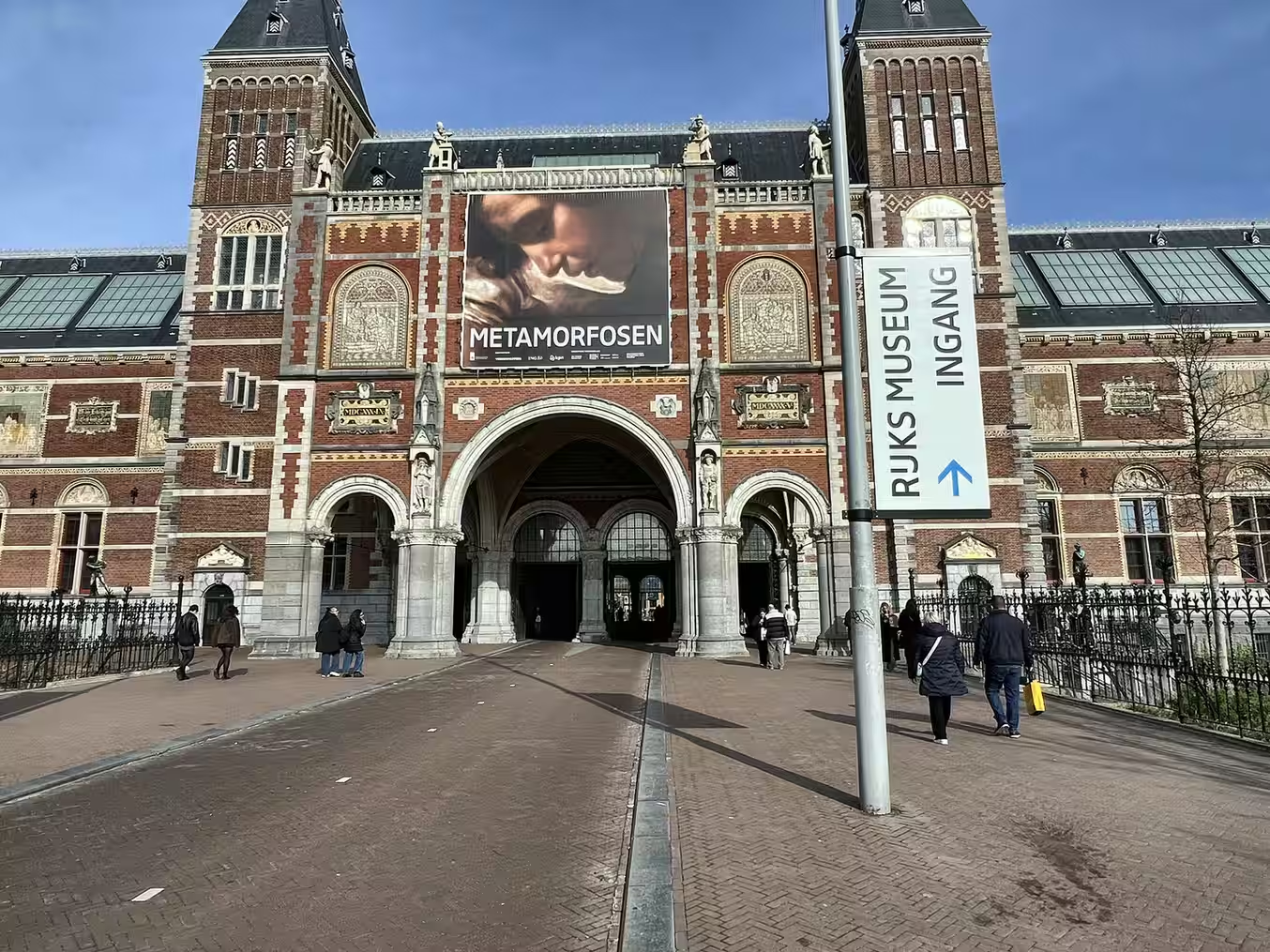
3. RIJKSMUSEUM
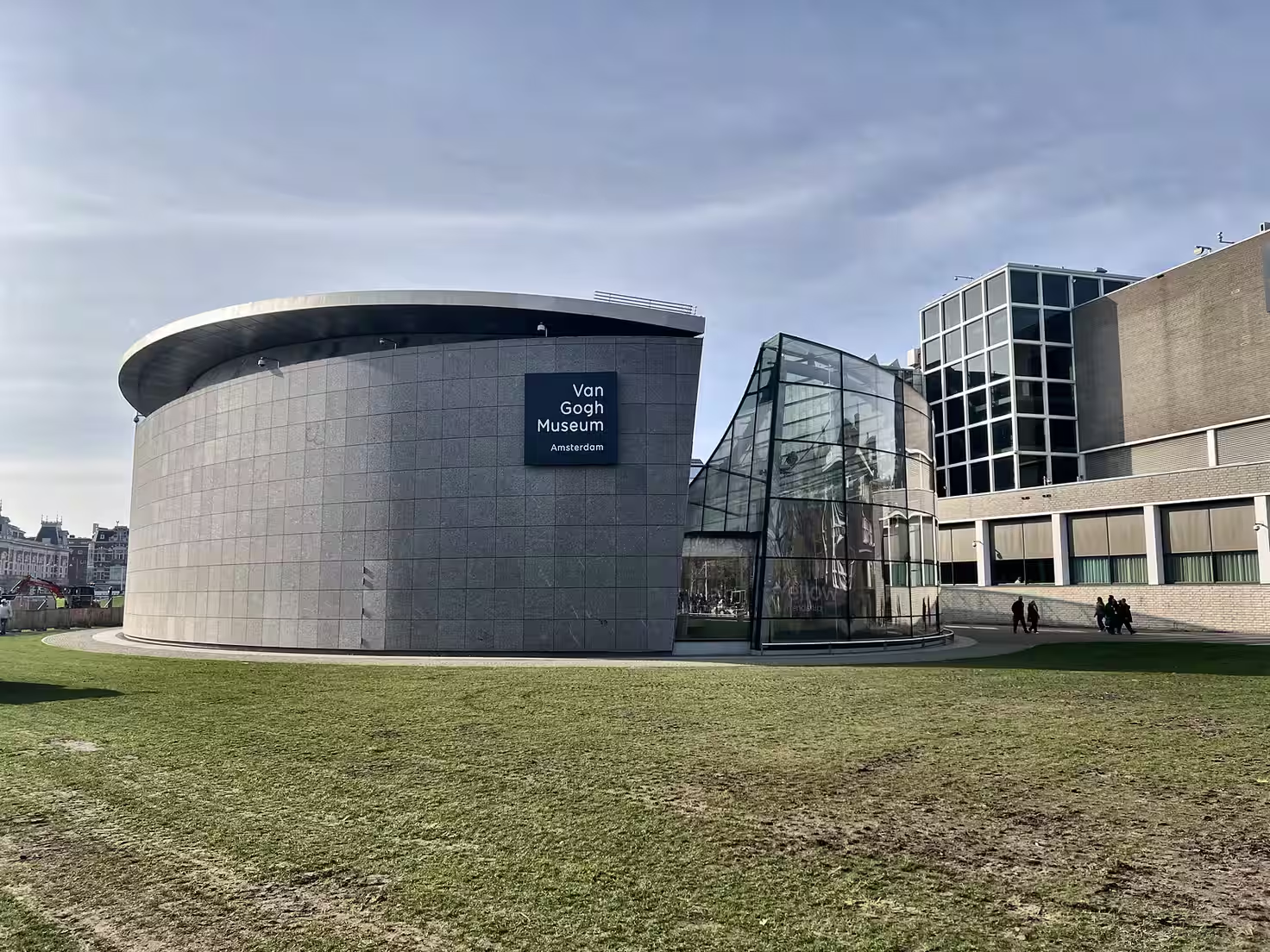
4. VAN GOGH MUSEUM
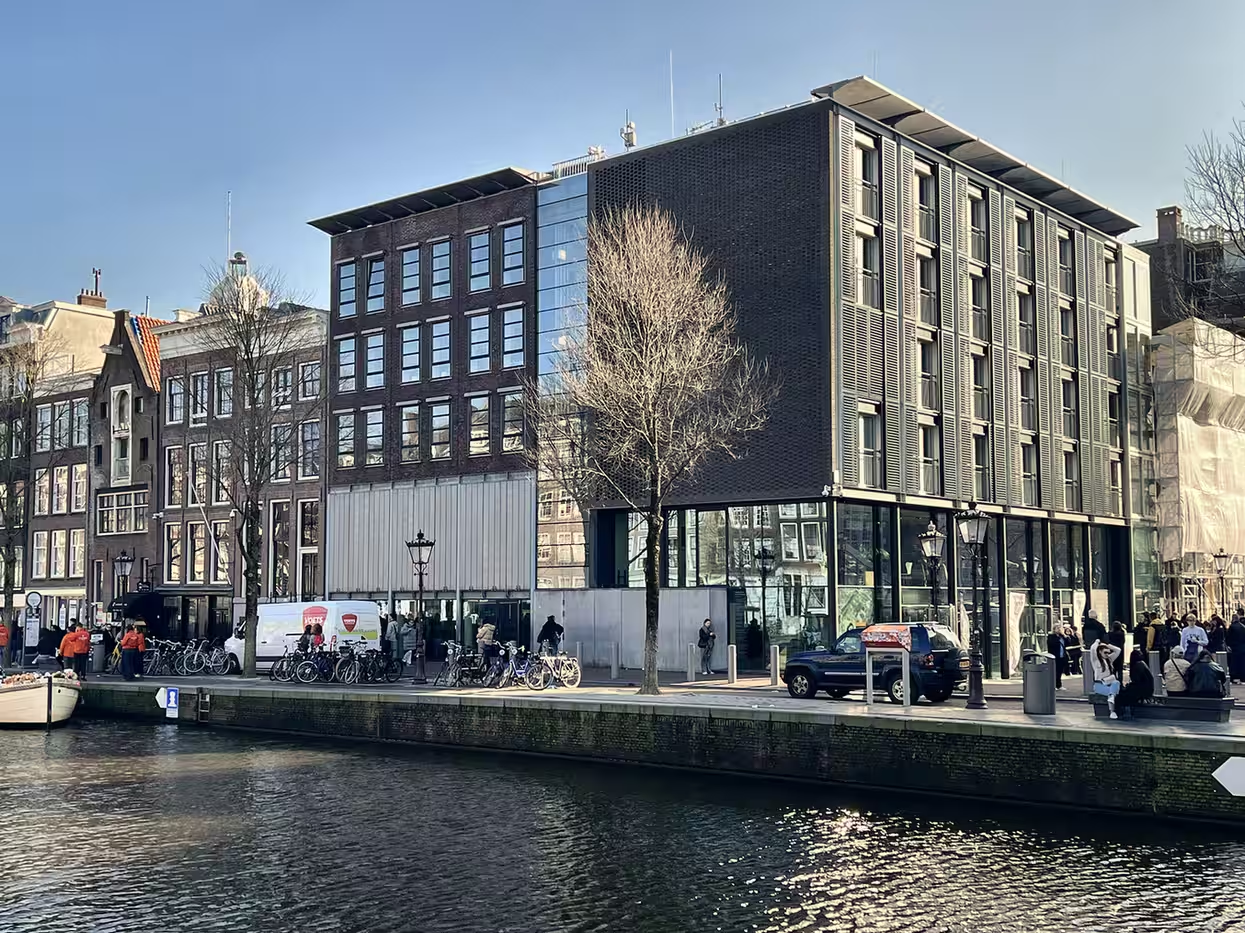
5. ANNE FRANK HOUSE
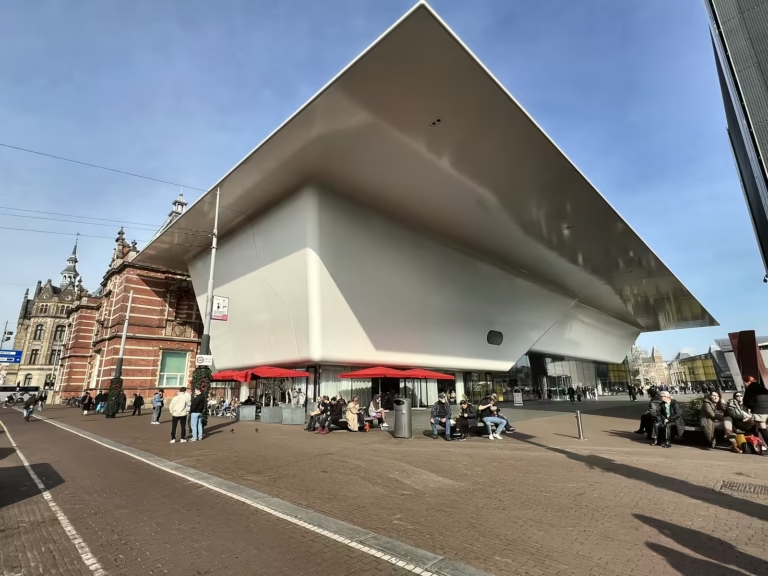
6. STEDELIJK MUSEUM
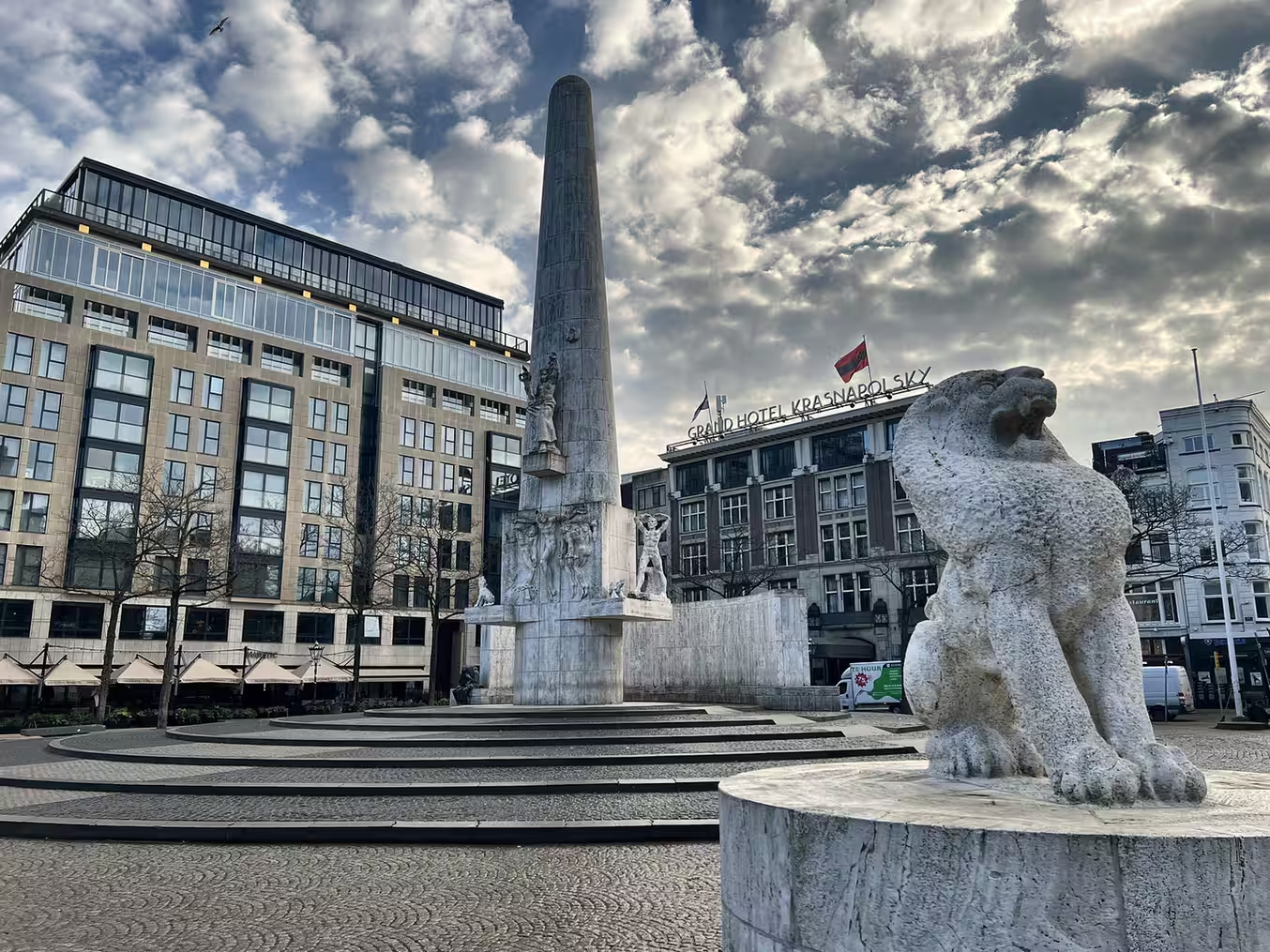
7. DAM SQUARE
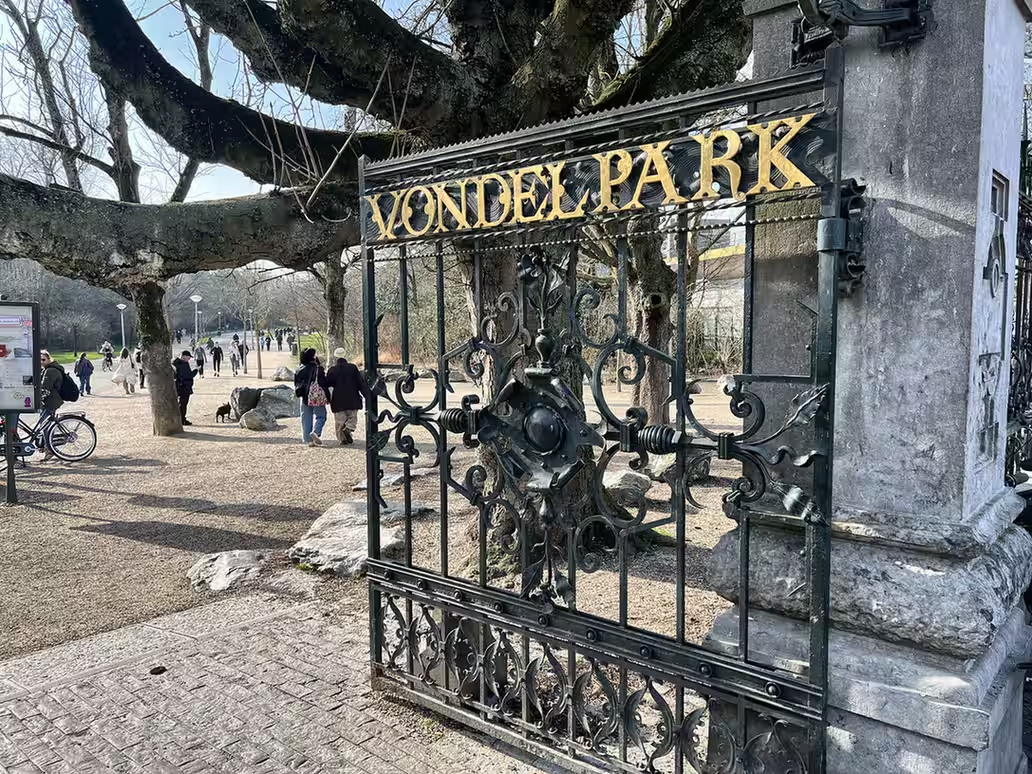
8. VONDELPARK
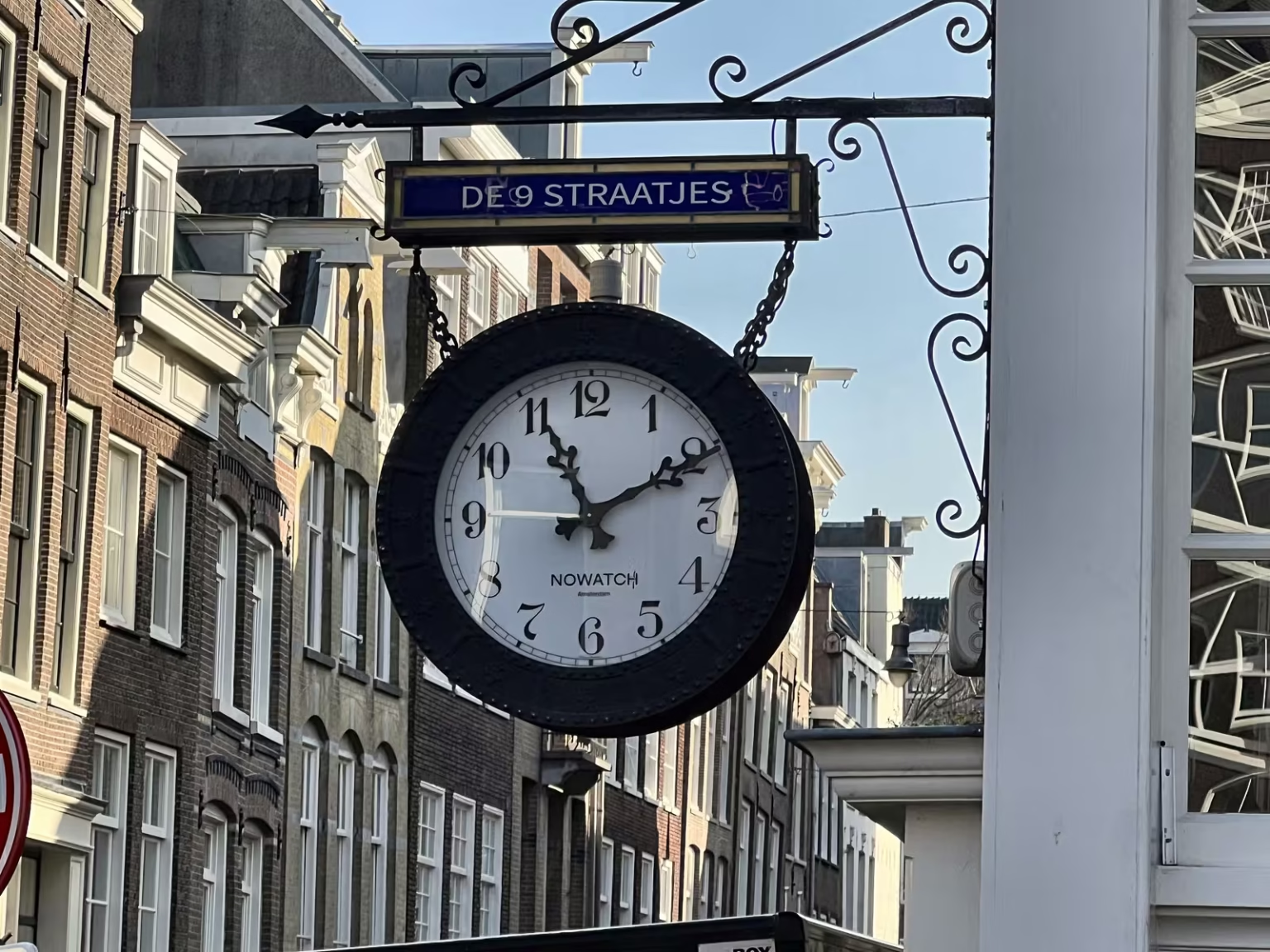
9. DE NEGEN STRAATJES
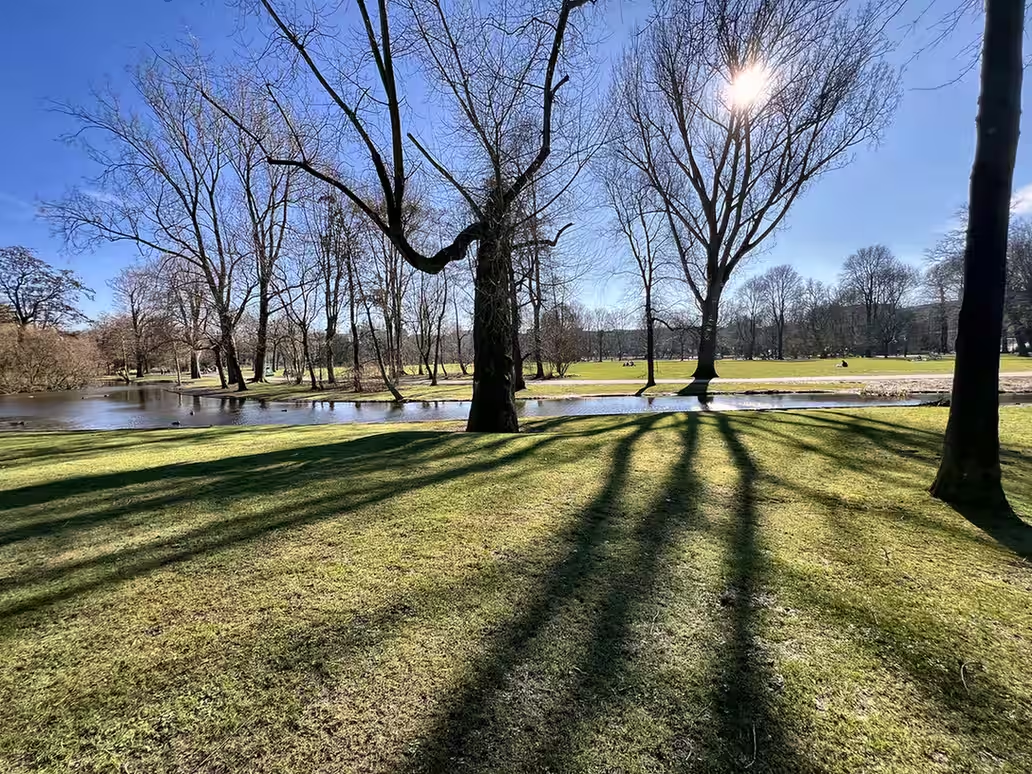
10. OOSTERPARK
Urban Renewal and Project 1012
In recent decades, the City of Amsterdam has implemented significant changes in De Wallen (Red Light District) through “Project 1012,” named after the area’s postal code. The project’s objective was to reduce criminal activity and diversify the neighborhood’s commercial offerings. This resulted in the closure of several hundred prostitution windows and their conversion into art galleries, boutiques, and high-end residential apartments.
The municipal government continues to refine its approach to the district. Recent measures include the “Stay Away” campaign and strict regulations regarding the consumption of alcohol and tobacco in public spaces. There are also ongoing discussions about moving some of the industry to an “Erotic Centre” outside of the city center to alleviate the pressure of “overtourism” on the narrow streets of De Wallen (Red Light District). These policies reflect the city’s attempt to preserve the area as a livable residential neighborhood while maintaining its historical identity.


Cultural Institutions and Education
Beyond its commercial aspects, De Wallen (Red Light District) houses several institutions dedicated to history and education. The Museum of Prostitution (Red Light Secrets) is located in a former canal house and provides a factual overview of the industry from the perspective of the workers. It aims to demystify the profession and provide information on the legal rights and safety of the individuals involved.
Another important resource is the Prostitution Information Centre (PIC), founded by former worker Mariska Majoor. The PIC provides information to visitors, researchers, and students to promote a better understanding of the neighborhood. Additionally, the district is home to “Ons’ Lieve Heer op Solder” (Our Lord in the Attic), a well-preserved 17th-century clandestine church. This museum demonstrates the religious tolerance of the Dutch Golden Age, where Catholics worshipped in secret while the city was officially Protestant.
Tip: The Prostitution Information Centre is located at Enge Kerksteeg 3 and was founded in 1994.

What can you see in De Wallen Amsterdam today?
De Wallen (Red Light District) is the oldest part of Amsterdam, characterized by its medieval street plan and the Oude Kerk. While known internationally for its role in the city’s sex work industry, the area is also a residential neighborhood with a rich maritime and religious history dating back to the 13th century.
Practical Information and Regulations
For visitors to De Wallen (Red Light District), it is essential to be aware of local laws and social norms. Photography of the windows and the workers is strictly prohibited and enforced by local security and social pressure. The streets are monitored by cameras and “hosts” who assist with crowd control and provide information on neighborhood rules.
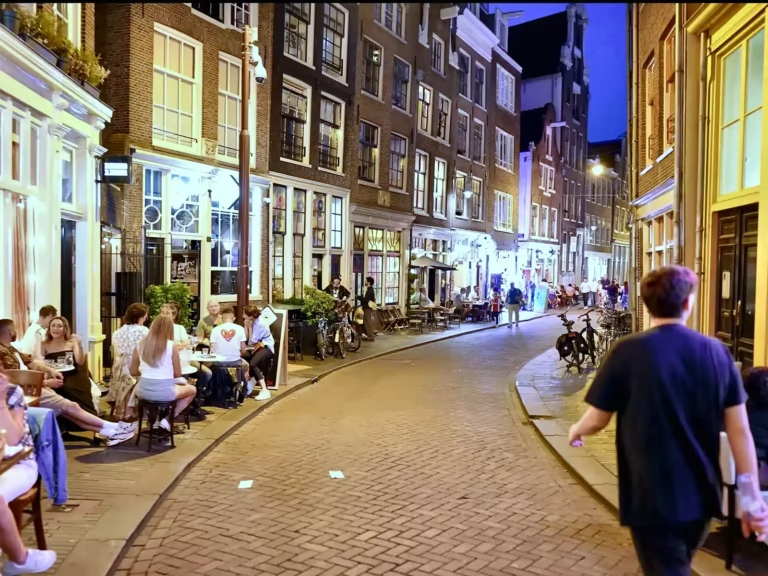
The area is most accessible on foot. From Amsterdam Central Station, it is a five-minute walk to the entrance of the district at the Zeedijk or the Warmoesstraat. Guided tours are subject to strict regulations; as of 2020, commercial guided tours are no longer allowed to enter the streets with prostitution windows to protect the privacy of workers and residents. Visitors are encouraged to visit during the day to appreciate the medieval architecture or in the evening to see the district’s characteristic lighting.
Take a virtual tour with Google Streetview!
Frequently Asked Questions (FAQ)
Is De Wallen (Red Light District) safe to visit?
The area is generally safe and well-patrolled by police and municipal enforcement (Handhaving). However, like any busy tourist area, visitors should be mindful of pickpockets and avoid buying anything from “street dealers” who are selling illegal substances.
Can I take photos in De Wallen (Red Light District)?
You can take photos of the canals and the architecture, but you must not take photos or videos of the workers in the windows. Doing so is considered highly disrespectful and can lead to your camera being confiscated or being asked to leave the area by security.
What is the best way to learn about the history of the district?
Visiting the Prostitution Information Centre (PIC) or the Red Light Secrets museum offers a factual and educational perspective. For architectural history, visiting the Oude Kerk or Ons’ Lieve Heer op Solder is recommended.
Are there age restrictions for entering the district?
The streets of De Wallen (Red Light District) are public, so there is no age limit to walk through the neighborhood. However, entry into “window” establishments, sex shops, or adult theaters is strictly limited to individuals aged 18 or older.
Sources
- Gemeente Amsterdam. (2023). Aanpak binnenstad: Project 1012 en de Wallen.
- Stadsarchief Amsterdam. (2022). De geschiedenis van de oudste stadswijk.
- Oude Kerk Amsterdam. (2024). Building history and monuments. https://www.oudekerk.nl/
- Rijksdienst voor het Cultureel Erfgoed. (2023). Monumentenregister: Oudezijds Voorburgwal.

Leave a Reply