
De Bijenkorf Amsterdam is a department store on Dam Square, with fashion, homeware and places to eat. The building also has a story beyond its shop floors. This guide covers the store’s history, architecture and what to expect on a visit.
In this guide
The Historical Evolution of De Bijenkorf
The story of De Bijenkorf began in 1870 when Philip Goudsmit opened a modest haberdashery shop at Nieuwendijk 132. Initially, the business focused on small textile goods, buttons, and ribbons. The name “De Bijenkorf,” which translates to “The Beehive,” was chosen to symbolize a hive of industrious activity. As the business flourished, it outgrew its original premises, leading to a strategic expansion that would eventually place it at the very heart of the city’s most important square.
By the early 20th century, the transformation from a local shop to a national institution was well underway. In 1912, the original buildings on the current site were demolished to make way for a purpose-built department store. This move was a gamble at the time, as Dam Square was primarily a site for political and royal functions rather than a shopping hub. However, the vision proved successful, and the store became a symbol of Amsterdam’s growing prosperity and its embrace of the modern department store concept seen in cities like Paris and London.
Throughout the decades, the store has survived significant historical shifts, including the economic challenges of the mid-20th century and the changing habits of global consumers. It has remained a family-owned enterprise for much of its history before joining international retail groups. Today, it stands as the flagship of a chain that operates in several major Dutch cities, yet the Amsterdam location remains the most prestigious and historically significant of them all.
Tip: De Bijenkorf was officially founded in 1870 at the address Nieuwendijk 132 in Amsterdam.


Monumental Architecture on Dam Square
The physical presence of De Bijenkorf is impossible to miss when standing on Dam Square. The current building was designed by architect J.P. van der Mey and was constructed between 1912 and 1915. The architectural style is often associated with the Amsterdam School and late Neoclassicism, featuring a robust stone facade that complements the neighboring Royal Palace and the New Church (Nieuwe Kerk). The building’s exterior is adorned with intricate sculptures and symbolic masonry that reflect the store’s name and its industrious spirit.
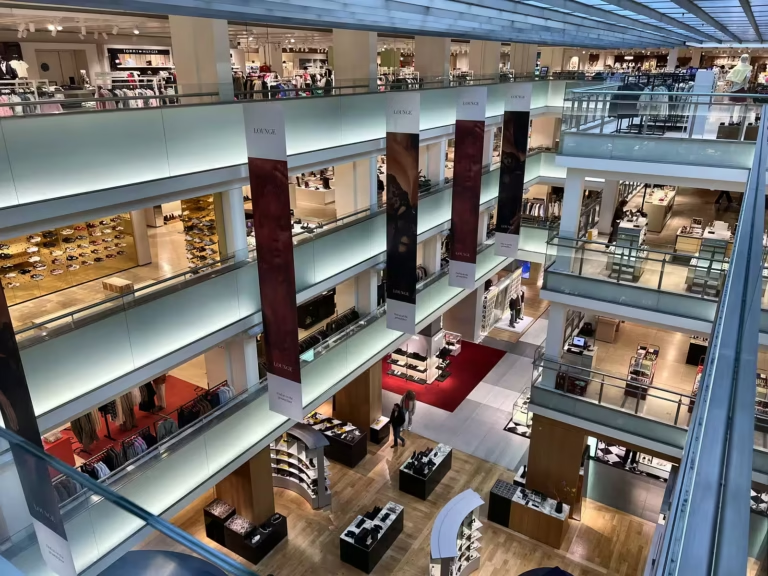
Inside, the architecture has evolved to meet contemporary retail standards while preserving its grand sense of scale. The central atrium allows natural light to filter through the floors, creating an airy atmosphere that contrasts with the bustling streets outside. In recent years, significant renovations have modernized the interior, integrating glass, steel, and high-end finishes that align with the luxury brands housed within. The transition between the historic stone exterior and the sleek, modern interior is a testament to the store’s ability to adapt without losing its identity.
The building itself is recognized as a national monument (Rijksmonument), ensuring that its historical features are protected for future generations. For visitors interested in urban development, the store represents a key piece of the “Plan Zuid” era thinking, where commercial buildings were expected to contribute to the aesthetic and civic dignity of the city center. Walking around the perimeter of the building reveals various decorative elements, including stone bees and floral motifs, which pay homage to the original 19th-century branding.
Tip: The current building of De Bijenkorf on Dam Square was designed by architect J.P. van der Mey and opened its doors in 1915.
Designer brands and shopping
For many visitors, the primary draw of De Bijenkorf is its status as the Netherlands’ leading destination for luxury fashion and accessories. The ground floor is dedicated to high-end leather goods, watches, and jewelry, featuring “shop-in-shop” boutiques from world-renowned brands. This concentrated collection of premium labels makes it a one-stop destination for international tourists seeking specific items that may not be available elsewhere in the country.
The fashion departments are spread across multiple floors, categorized into womenswear, menswear, and children’s clothing. Each section is curated to reflect current global trends while maintaining a focus on quality and craftsmanship. In addition to clothing, the store boasts an extensive beauty and cosmetics hall. This area features professional consultants and exclusive product lines from major international houses, providing a level of service that mimics the personal shopping experiences found in the fashion capitals of the world.
Beyond just products, the store offers various high-end services tailored to the international traveler. These include personal styling sessions and a dedicated Tax-Free Shopping lounge. The lounge allows non-EU residents to process their VAT refunds on-site, a practical feature that enhances the convenience of shopping at this location. This focus on service ensures that the store remains competitive in an era where luxury consumers expect more than just a transactional relationship with a retailer.
Tip: De Bijenkorf Amsterdam is open daily from 10:00 to 21:00, except on Sundays when it opens at 11:00.
Amsterdam Hidden Gems
Psss … don’t tell anyone!
BEGIJNHOF
AMSTERDAMSE BOS
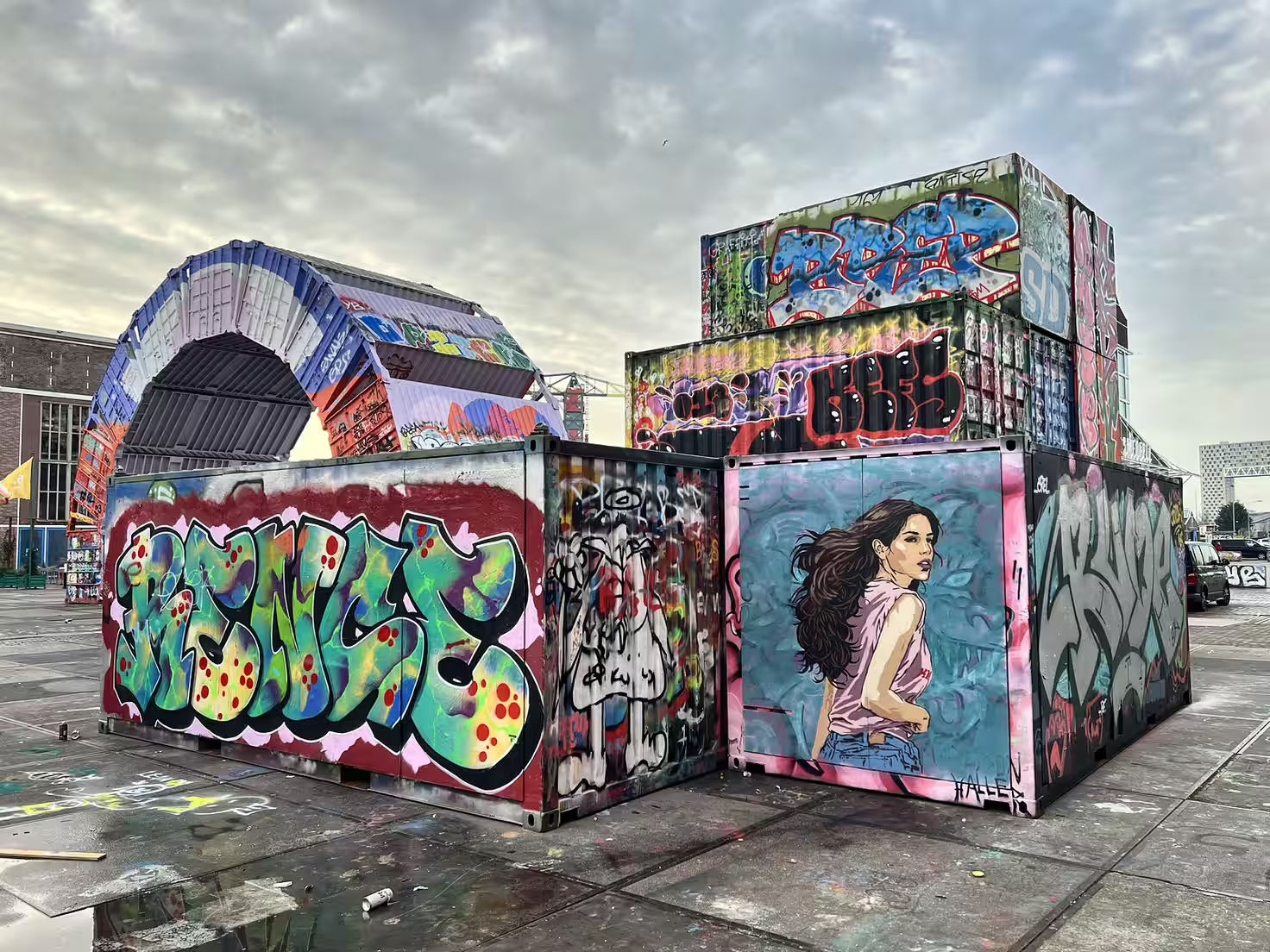
NDSM WARF
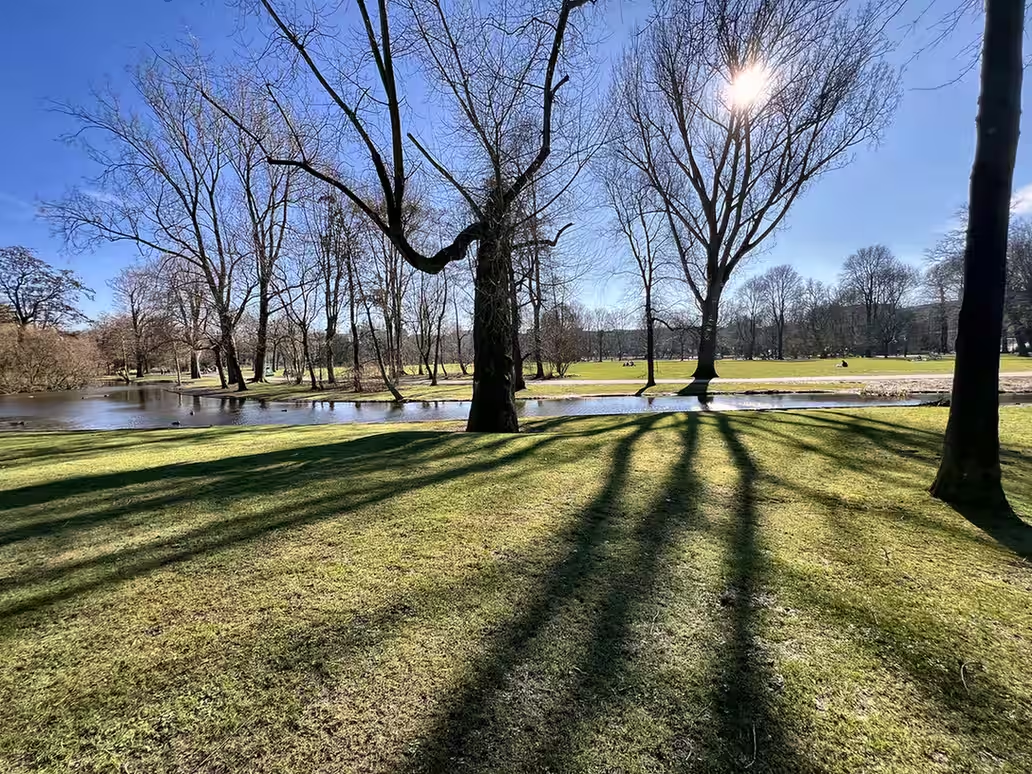
OOSTERPARK
The Living Kitchen: food and views
A visit to De Bijenkorf is often punctuated by a stop at “The Kitchen” (De Keuken), located on the top floor. This self-service restaurant concept deviates from standard department store cafeterias by offering diverse, freshly prepared international cuisine. The space is designed with an open-plan layout, allowing guests to watch chefs prepare dishes ranging from Japanese sushi and Italian pasta to traditional Dutch specialties. This transparency in food preparation emphasizes the store’s commitment to quality.
The dining area provides a panoramic view of the city, looking out over the roofs of historic Amsterdam towards the Central Station and the IJ river. For many, this view is as much a draw as the food itself. The atmosphere is designed to be inclusive, catering to families, business professionals, and solo travelers alike. During the warmer months, the rooftop terrace offers an outdoor seating option, providing a rare elevated perspective of the city’s busy center.
In addition to the main restaurant, the store houses specialized food departments on the lower levels. These include high-end chocolatiers, bakeries, and a selection of premium Dutch delicacies. These sections often feature local artisans and limited-edition products, making them ideal for finding sophisticated gifts or souvenirs. The integration of high-quality food and beverage options ensures that visitors can spend several hours within the building comfortably.
Tip: The restaurant “The Kitchen” is located on the 5th floor of De Bijenkorf Amsterdam and offers views over Dam Square.


Cultural Significance and Festive Traditions
De Bijenkorf plays a vital role in the cultural life of Amsterdam, particularly through its seasonal displays and events. Perhaps the most famous of these was “Turn on the Lights,” an annual event that marked the start of the festive season. During this event, thousands of people would gather on Dam Square to witness the illumination of the store’s facade, decorated with hundreds of thousands of energy-efficient LED lights. While the format of festive celebrations evolves, the store remains the focal point for holiday shopping and atmosphere in the city.
The store also engages with the arts through its “Room on the Roof” (Kamer op het Dak) initiative. This is an artist-in-residence program located in the small tower on top of the building. In collaboration with local museums and galleries, the store invites artists, designers, and musicians to create new works inspired by the city and the store’s heritage. This intersection of commerce and art distinguishes the “Beehive” from standard retail outlets, positioning it as a supporter of the creative community.
Furthermore, the store is known for its elaborate window displays, which are treated as theatrical installations. These displays often change to reflect major city events, such as King’s Day or the Amsterdam Pride, showing the store’s alignment with local culture and values. For the casual passerby, these windows provide a free gallery experience that contributes to the vibrant street life of the Damrak and Dam Square area.
Tip: De Bijenkorf’s “Room on the Roof” is an artist-in-residence project located in the tower of the Amsterdam store on Dam Square.

De Bijenkorf Amsterdam: shopping and history on Dam Square
De Bijenkorf Amsterdam is a department store on Dam Square, with fashion, homeware and places to eat. The building also has a story beyond its shop floors. This guide covers the store’s history, architecture and what to expect on a visit.
Take a virtual tour with Google Streetview!
Frequently Asked Questions (FAQ)
Can international visitors get a VAT refund at De Bijenkorf?
Yes, non-EU residents are eligible for a VAT refund on purchases above a certain amount. The store features a dedicated Tax-Free Lounge on the fourth floor where specialized staff and kiosks can assist with the refund process.
Is there a dress code for visiting De Bijenkorf?
There is no formal dress code for entering the store or its restaurants. However, as a luxury department store, the environment is professional and sophisticated.
Does De Bijenkorf have elevators and accessible facilities?
Yes, the store is fully accessible for individuals with limited mobility. There are several sets of elevators serving all floors, and accessible restrooms are located throughout the building.
Are pets allowed inside the store?
Generally, small dogs are allowed inside if they are carried or in a specialized pet carrier. Service animals are permitted throughout the store in accordance with accessibility regulations.
Sources
- De Bijenkorf Official Website: https://www.debijenkorf.nl
- I amsterdam (Official Visitor Portal): https://www.iamsterdam.com
- Rijksdienst voor het Cultureel Erfgoed (Monument Register): https://monumentenregister.cultureelerfgoed.nl
- Amsterdam School Museum “Het Schip” (Architectural Context): https://www.hetschip.nl
- Wikipedia: https://en.wikipedia.org/wiki/De_Bijenkorf

Leave a Reply