
Amsterdam is a city defined by its unique balance of historic charm and modern infrastructure. Whether you are arriving by train or plane, you will find that the best things to do in Amsterdam are often connected by its impressive transport network. From the architectural grandeur of the Stationsplein to the quiet corners of the Jordaan, the city offers a diverse range of activities that cater to every type of traveler. By understanding the layout and history of the capital, you can maximize your time and experience the true essence of the Netherlands.
In this blog:
How to get there?
Plan my journey1. Amsterdam Central Station: The Gateway to Europe
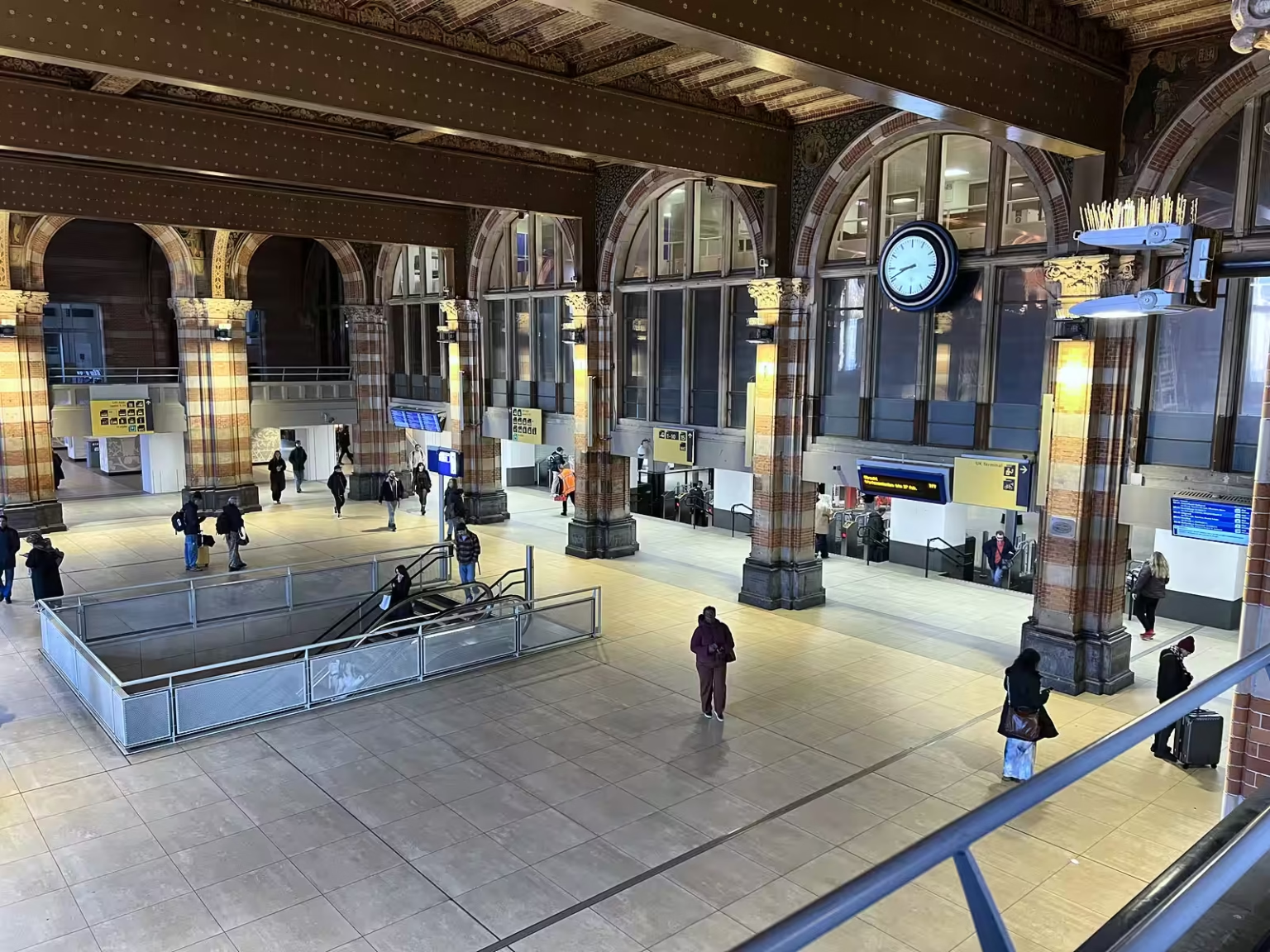
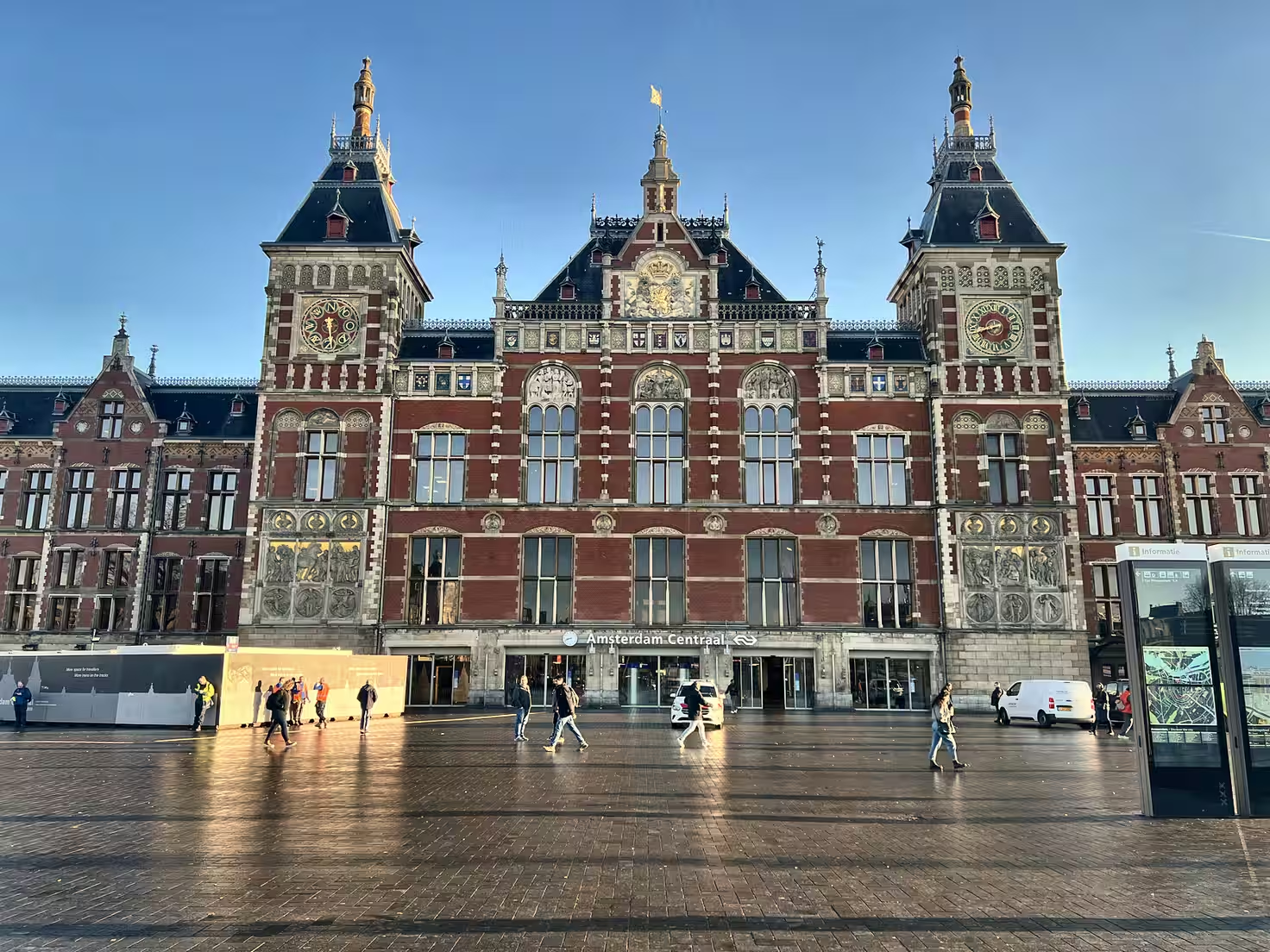
Amsterdam Central Station is not just a transport hub; it is one of the best things to do in Amsterdam for those who appreciate Neo-Renaissance architecture. Designed by Pierre Cuypers, the same architect responsible for the Rijksmuseum, the building opened in 1889. It was constructed on three artificial islands and rests on over 8,000 wooden piles. The building’s facade is decorated with weather vanes and clocks that historically informed travelers about wind direction and time, reflecting the city’s maritime heritage.
As the primary entry point for international visitors, the station serves as a vital link between the Netherlands and the rest of the continent. You can catch high-speed trains such as the Eurostar or Thalys directly to London, Paris, and Brussels. The station’s central location makes it the perfect starting point for any city tour, as it sits at the head of the Damrak, the main thoroughfare leading toward the Dam Square.
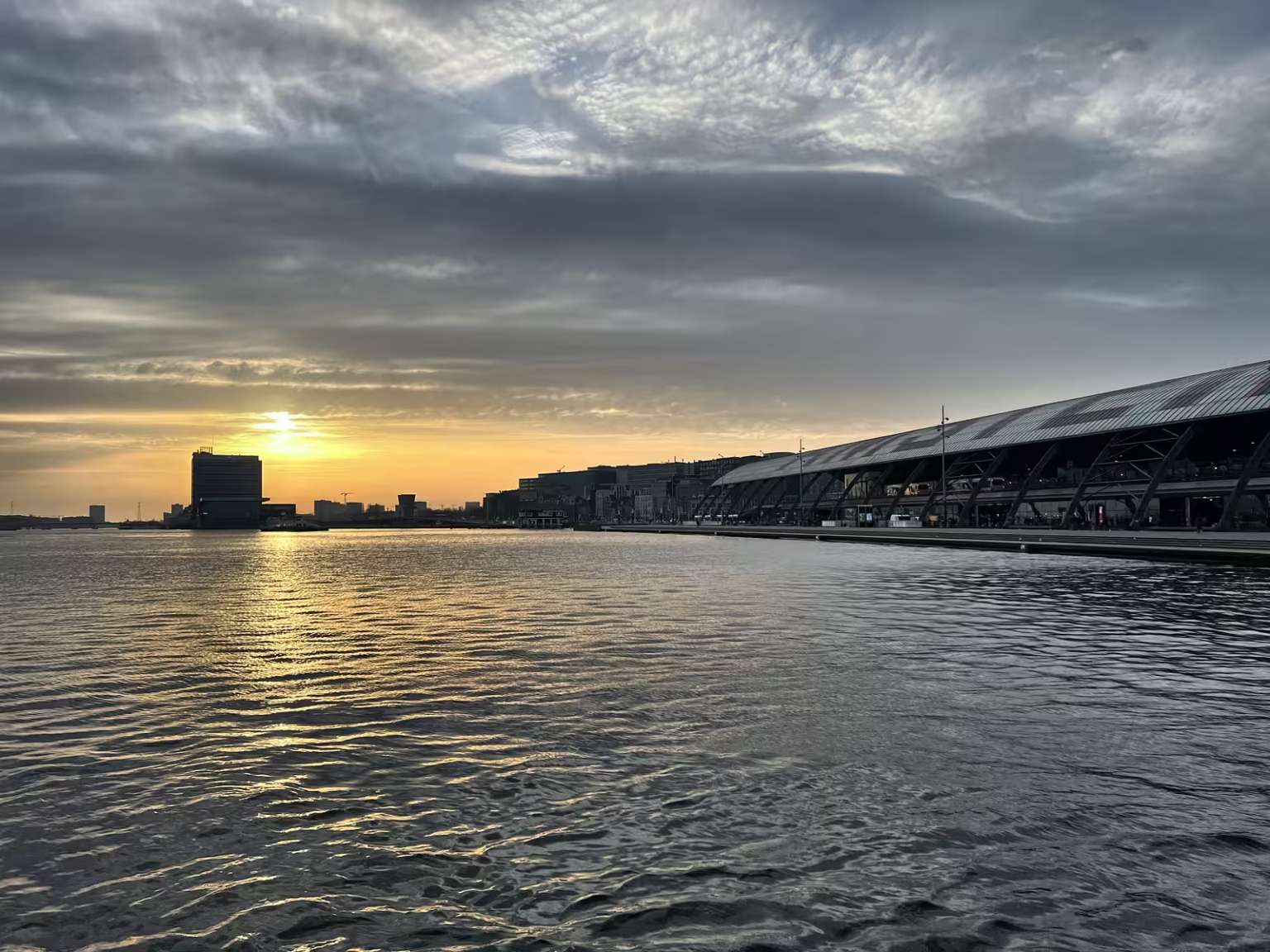
Inside the station, the IJ-passage offers a variety of shops and dining options, blending the historic structure with modern convenience. The back of the station overlooks the IJ river, where free ferries depart to Amsterdam Noord. This area provides a stark contrast to the old city center, showcasing the city’s ability to evolve while preserving its heritage.
Tip: Amsterdam Central Station is located at Stationsplein 1, 1012 AB Amsterdam, and features a specialized weather vane on the eastern tower that indicates the wind direction, a feature preserved since its opening in 1889.

2. Exploring the UNESCO World Heritage Canal Ring
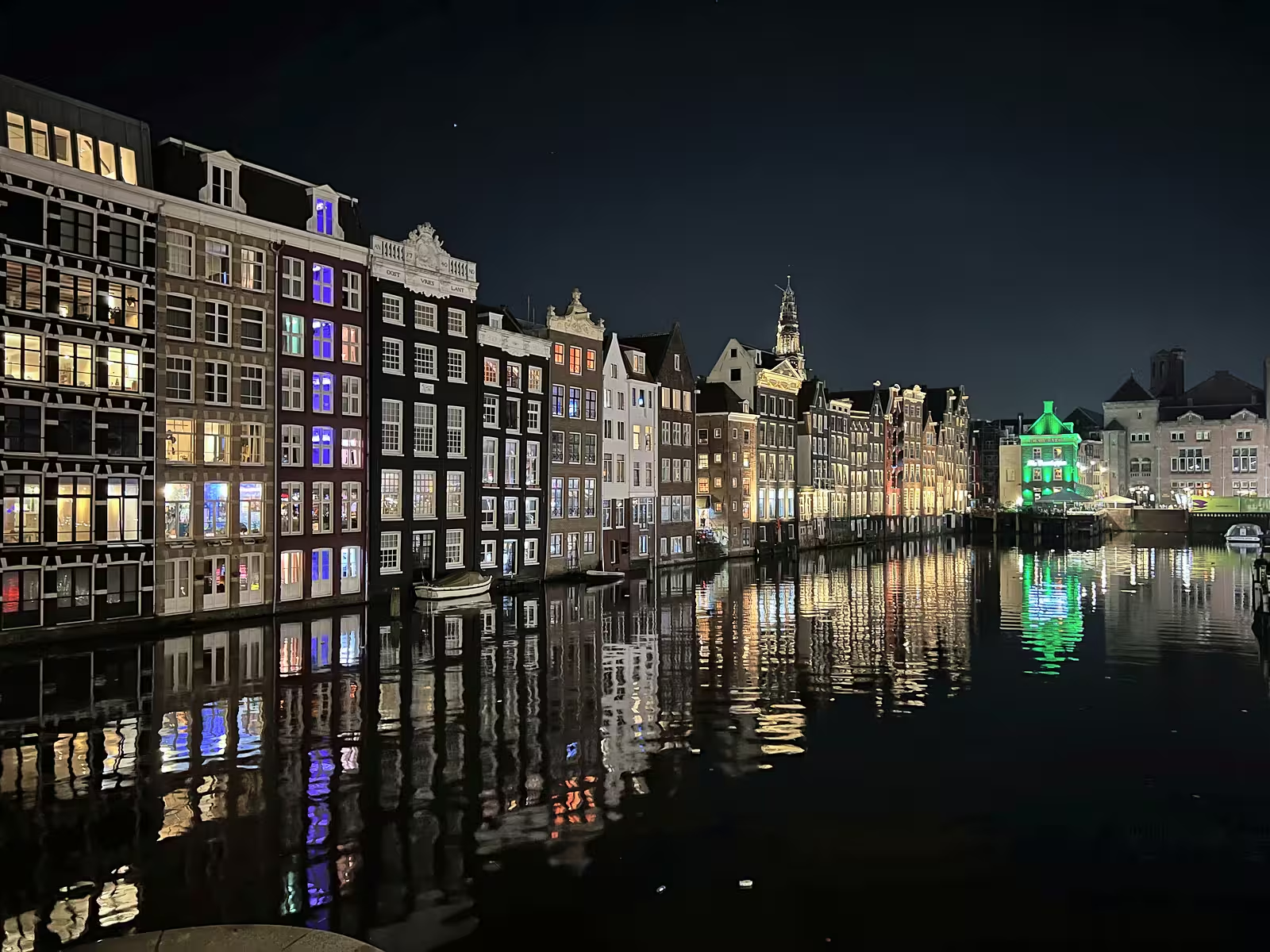
Walking or sailing through the Canal Ring is consistently ranked among the best things to do in Amsterdam. This 17th-century district was added to the UNESCO World Heritage List in 2010. The ring consists of four main canals: the Singel, Herengracht, Keizersgracht, and Prinsengracht. These waterways were designed during the Dutch Golden Age to facilitate trade and manage water, but they also became the site of the city’s most prestigious residences.
The Herengracht is known for having the most opulent canal houses, many of which feature ornate gables. These gables were not just decorative; they housed hoisting beams used to lift goods into the attics, a feature you can still see on almost every historic building today. Because houses were historically taxed based on their width, many are narrow and deep, leading to the unique architectural landscape the city is famous for.
A boat tour offers a different perspective of the city’s history. From the water, you can see the “Seven Bridges” view at the intersection of the Reguliersgracht and the Keizersgracht. Navigating the canals allows you to understand how the city expanded outward from its medieval core. It remains one of the most efficient ways to see many landmarks in a short period.
Tip: The Amsterdam Canal Ring was officially designated as a UNESCO World Heritage site on August 1, 2010, covering an area of approximately 160 hectares.
3. Cultural Immersion at Museum Square
For many travelers, the best things to do in Amsterdam revolve around the Museumplein (Museum Square). This open green space is home to three of the world’s most significant cultural institutions: the Rijksmuseum, the Van Gogh Museum, and the Stedelijk Museum. The square itself acts as a cultural heart for the city, hosting exhibitions, markets, and public events throughout the year.
The Rijksmuseum is the largest and most visited museum in the Netherlands. It houses a vast collection of Dutch art and history, including Rembrandt’s Night Watch and Vermeer’s The Milkmaid. The building’s architecture is a masterpiece in itself, featuring a bicycle passage that runs directly through the center of the museum, connecting the city center with the southern districts.
Directly adjacent is the Van Gogh Museum, which holds the largest collection of works by Vincent van Gogh in the world. It includes over 200 paintings, 500 drawings, and 700 letters. For fans of modern and contemporary art, the Stedelijk Museum offers a collection that includes works by Mondrian, Picasso, and Pollock. The area is easily accessible from Amsterdam Central Station via tram lines 2 and 12.
Tip: The Rijksmuseum, located at Museumstraat 1, is open daily from 9:00 AM to 5:00 PM, 365 days a year, including Christmas Day and New Year’s Day.

Opened in 1973, the National Maritime Museum in Amsterdam is housed in a historic 17th-century naval storehouse, where centuries of Dutch maritime history come together through interactive exhibitions, historic ships and stories of global trade and exploration.
4. Historic Architecture in the Jordaan District
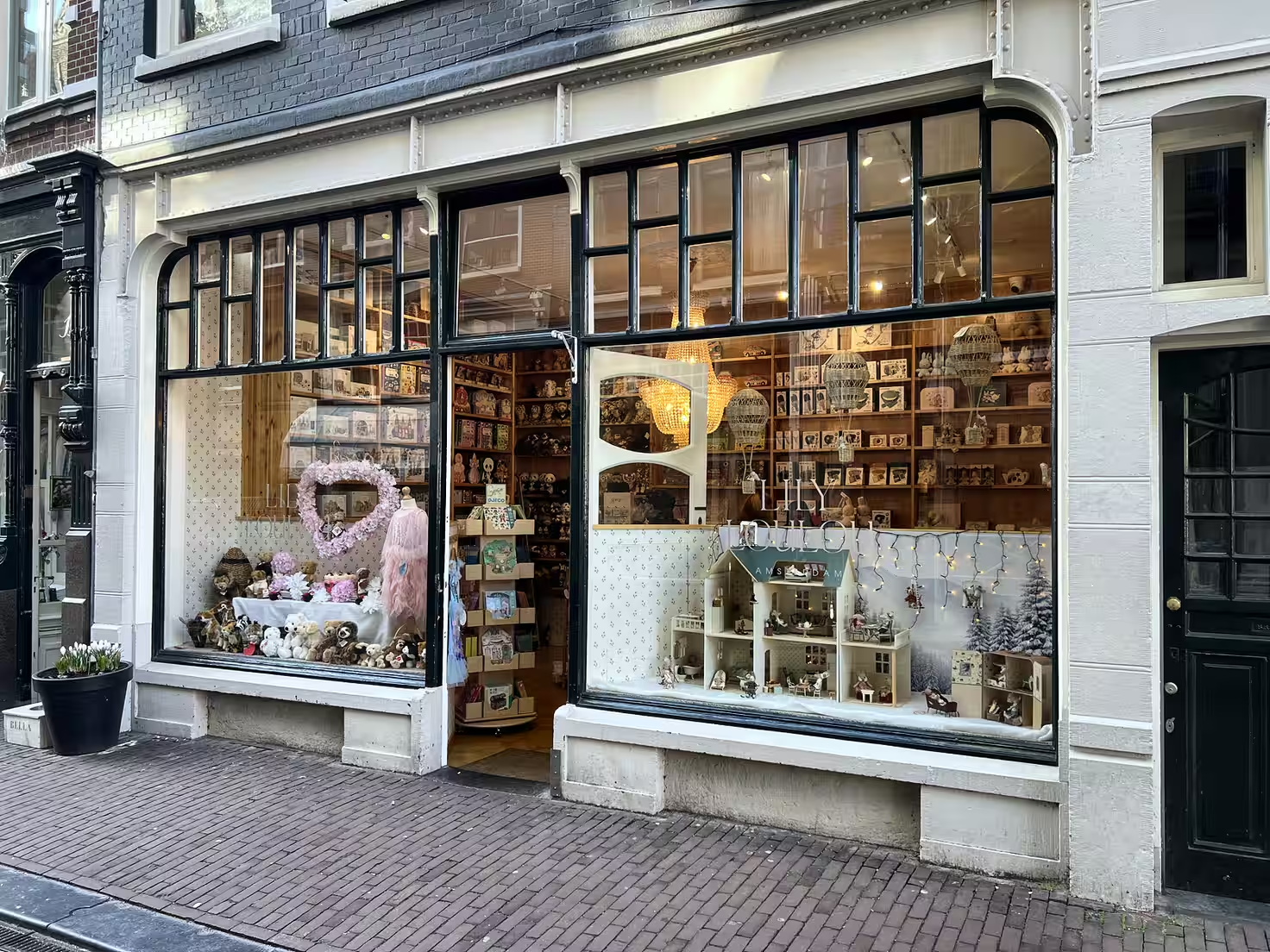
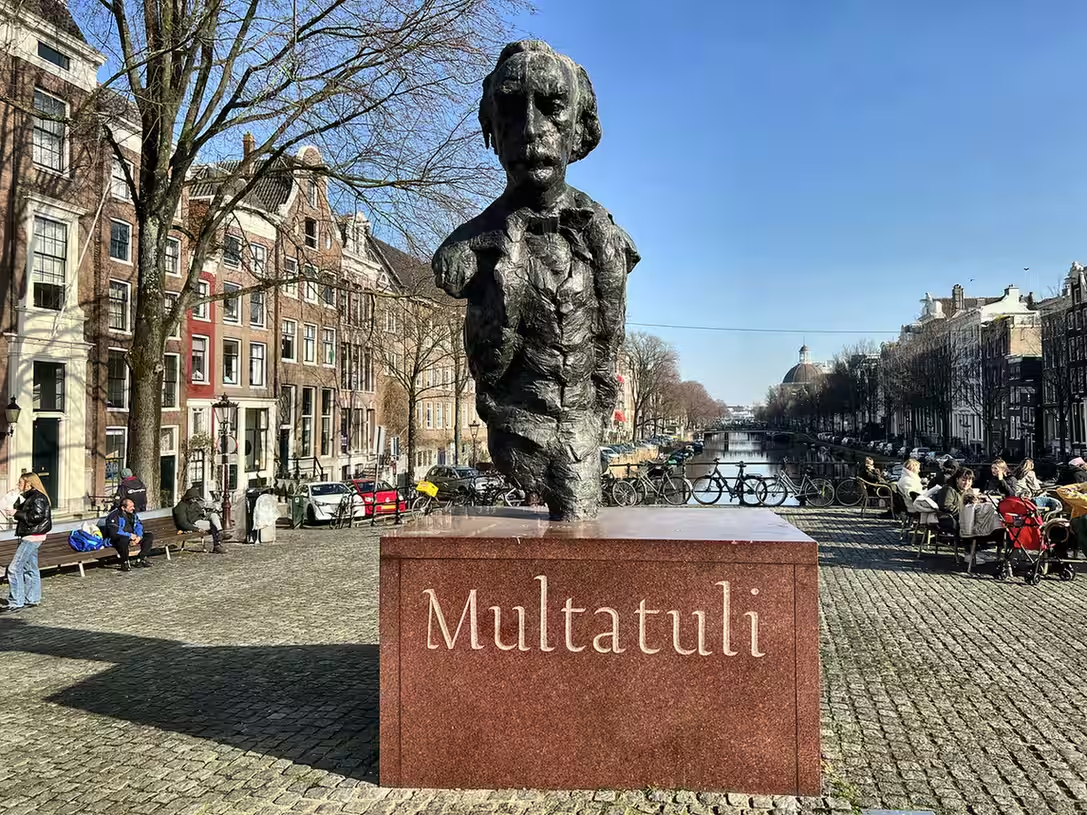
The Jordaan is perhaps the most famous neighborhood in the city, known for its narrow streets, independent boutiques, and “hofjes” (hidden courtyards). Originally a working-class district built in the early 17th century, it has transformed into one of the most sought-after residential areas. Exploring its labyrinthine streets is one of the best things to do in Amsterdam for those seeking a more local atmosphere.
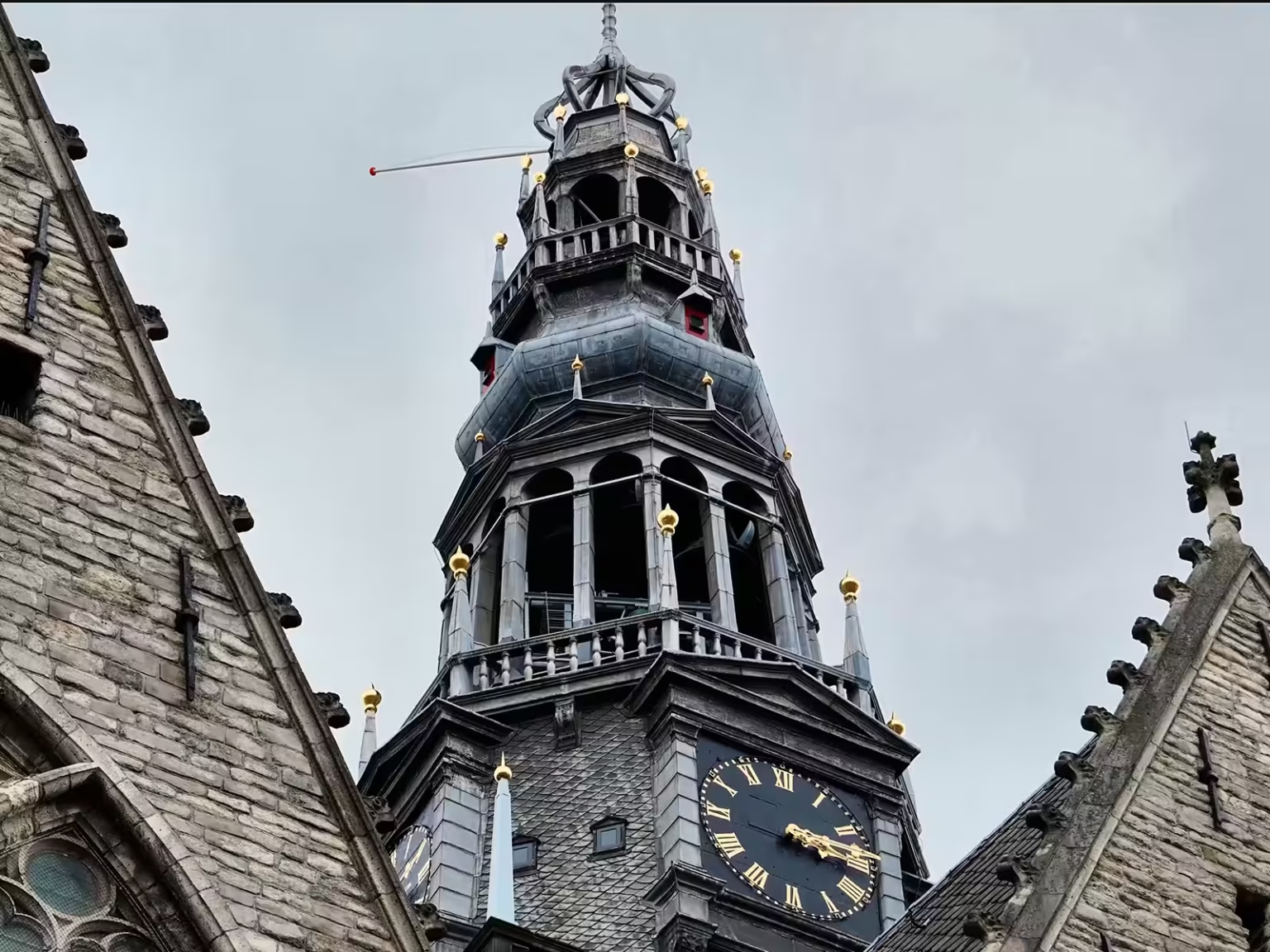
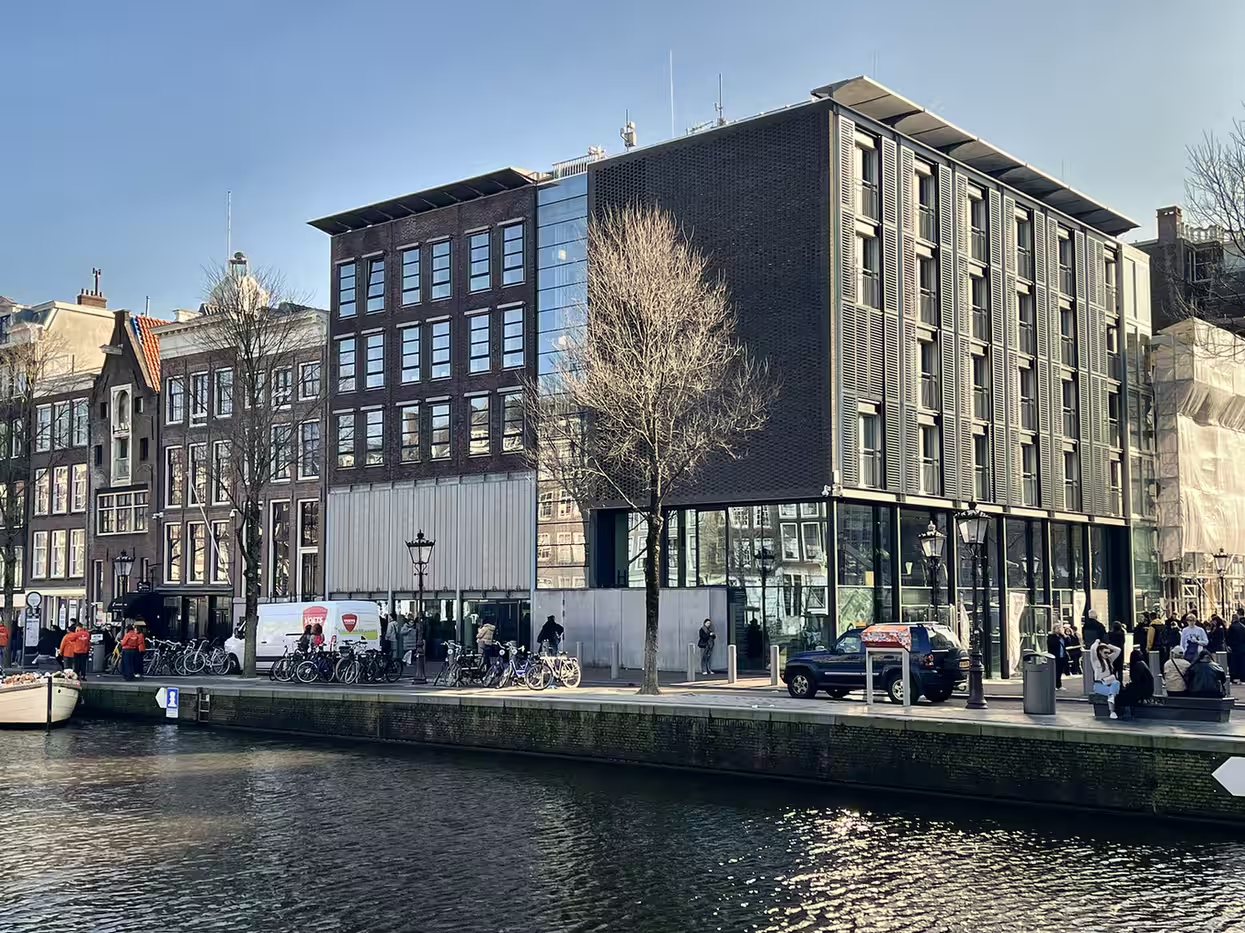
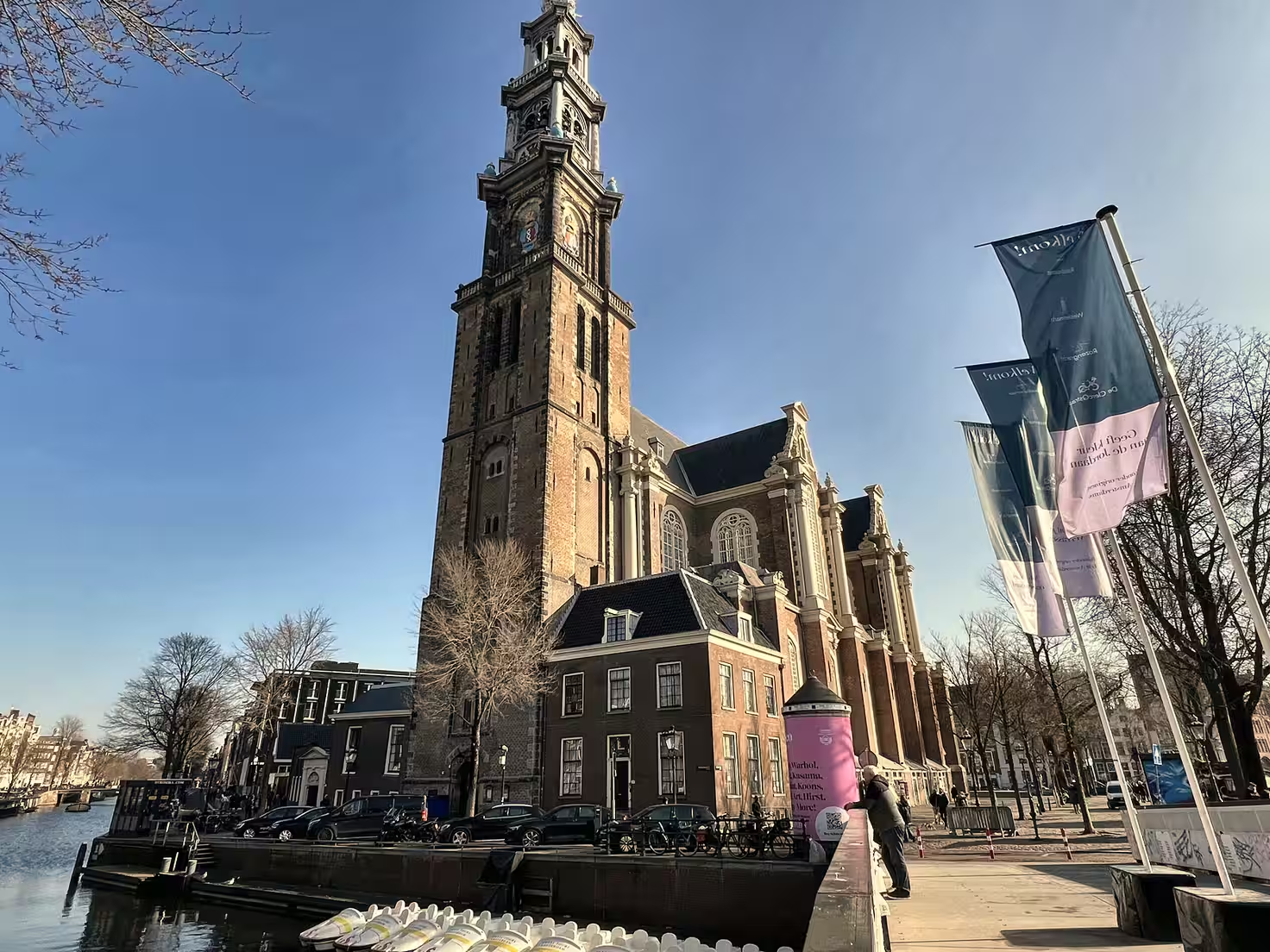
The neighborhood is home to the Westerkerk, whose tower is the tallest in the city at 85 meters. The bells of the Westerkerk are mentioned in the diary of Anne Frank, whose former hiding place, the Anne Frank House, is located on the edge of the Jordaan on the Prinsengracht. This area serves as a poignant reminder of the city’s history during World War II.
In addition to its history, the Jordaan is famous for its markets. The Noordermarkt holds a biological market every Saturday, while the Westerstraat hosts a regular street market on Mondays. These markets provide an opportunity to sample local products like Stroopwafels and Dutch cheese while interacting with residents.
Best Things to Do in Amsterdam: 7 Highlights for Your Visit
This guide explores the best things to do in Amsterdam, focusing on iconic landmarks like Amsterdam Central Station, the historic Canals, and world-renowned museums. Designed for both first-time and returning visitors, this article provides factual insights into the city’s transport, culture, and architecture to help you plan an efficient trip.
6. Public Transport and International Connections
The efficiency of the city’s infrastructure is a major factor in why it remains a top destination. Amsterdam Central Station acts as the primary node for the GVB (Municipal Transport Company) network, which includes trams, buses, and metros. The North-South Line (Metro 52) provides a direct connection from the north of the city to the Zuidas business district in just 15 minutes.
For international travelers, the connection to Schiphol Airport is seamless. Trains run every few minutes from the central hub, with a journey time of approximately 15 to 20 minutes. This makes the city exceptionally accessible for those on a short layover or a weekend trip. The integration of international rail travel means that travelers can reach major European cities without the need for air travel, supporting more sustainable tourism.
The use of the OV-chipkaart or OVpay (using a debit/credit card) has simplified the process of using public transport. You must remember to check in and check out at the yellow posts or gates to ensure your fare is calculated correctly. This system applies to all forms of transport, including the ferries that cross the IJ river.
Take a virtual tour with Google Streetview!
7.The Modern Waterfront of Amsterdam Noord
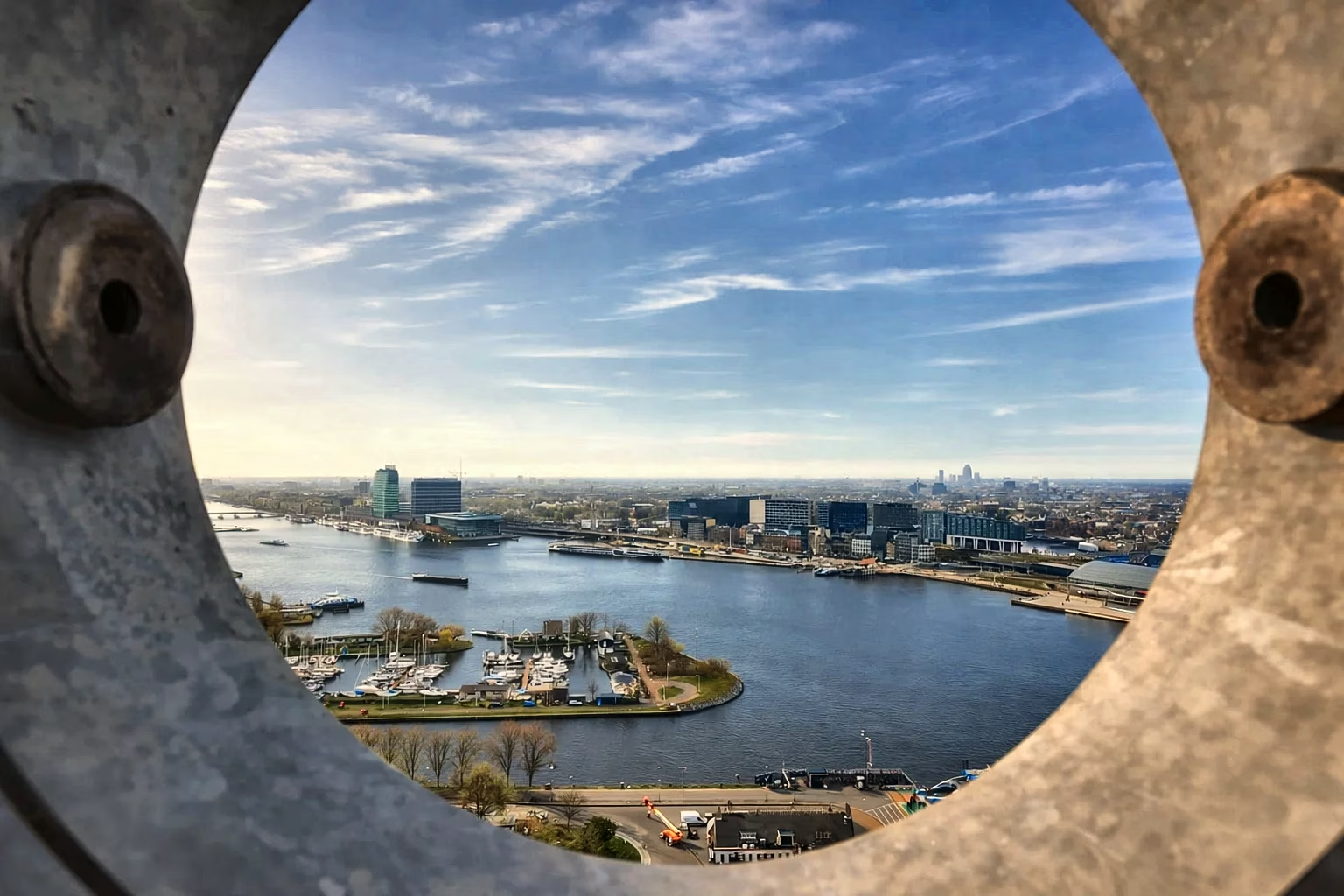
One of the best things to do in Amsterdam that many tourists overlook is taking the free ferry behind Amsterdam Central Station to Amsterdam Noord. This area has undergone significant redevelopment, moving from an industrial shipyard to a creative and cultural hub. The ferry ride itself takes only a few minutes and provides excellent views of the city skyline.
In Amsterdam Noord, you will find the EYE Film Institute, a modern architectural landmark dedicated to Dutch and international cinema. Next to it stands the A’DAM Tower, which features an observation deck called A’DAM Lookout. For those who are not afraid of heights, the tower hosts “Over the Edge,” which is Europe’s highest swing, situated 100 meters above the ground.
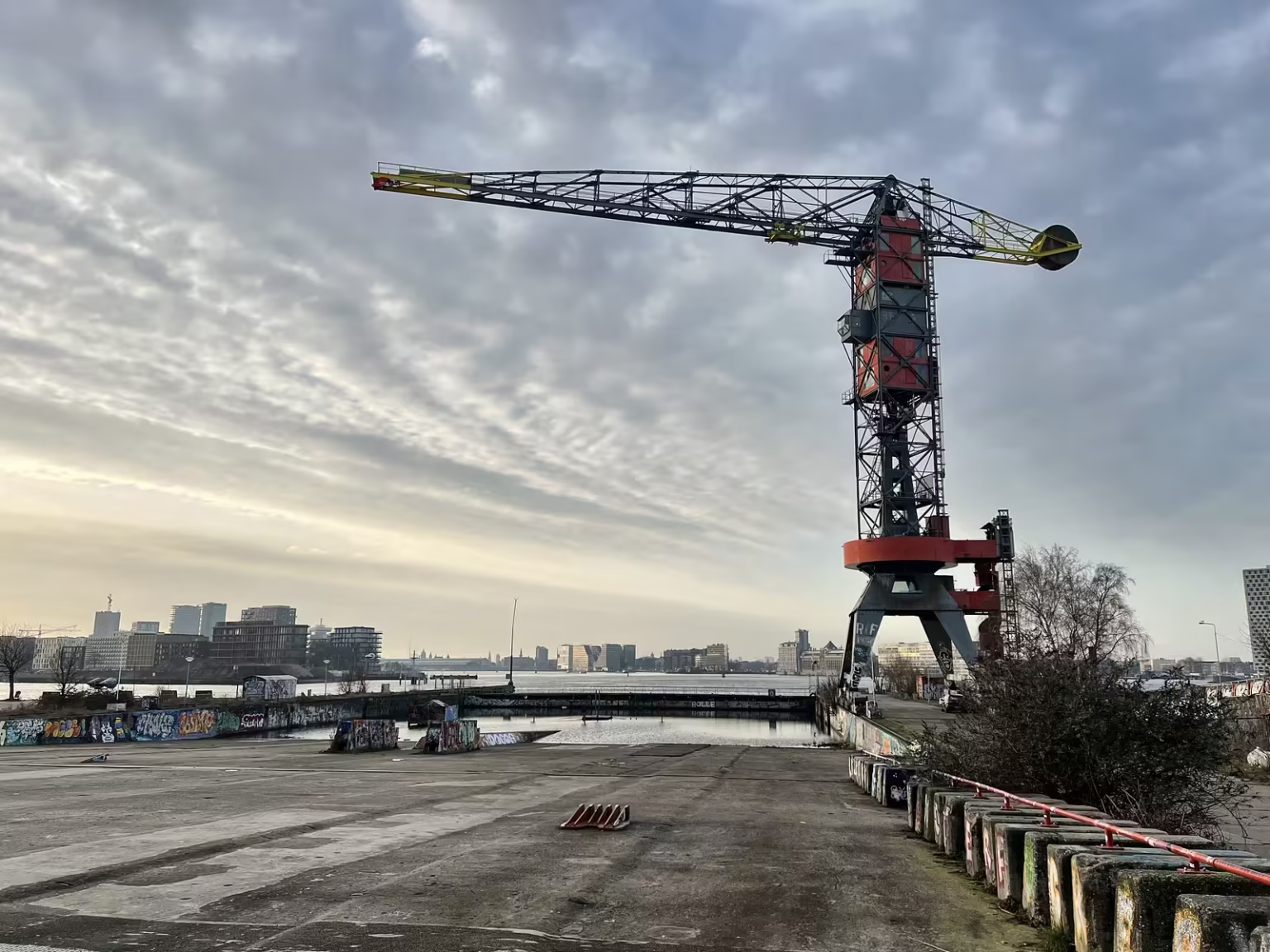
The NDSM Wharf is another highlight of the North. It is a former shipyard that now hosts artist studios, festivals, and the STRAAT Museum, which is dedicated to street art and graffiti. The industrial atmosphere and large-scale murals provide a completely different aesthetic compared to the traditional canal houses of the city center.
Frequently Asked Questions (FAQ)
What is the best way to get from Amsterdam Central Station to the city center?
The city center, specifically Dam Square, is a 10-minute walk from the station via the Damrak. Alternatively, you can take trams 4, 14, or 24 which depart from the stations front side.
Are the museums open every day?
Most major museums like the Rijksmuseum and Van Gogh Museum are open 365 days a year. However, it is highly recommended to book tickets in advance online, as many venues work with specific time slots and do not sell tickets at the door.
Is Amsterdam Central Station connected to other European cities?
Yes, it is a major European rail hub. Direct high-speed services are available to London St Pancras, Paris Nord, Brussels-Midi, Berlin Hbf, and Frankfurt.
How do I use the ferries behind the station?
The ferries located at the rear oAmsterdam Central Station are free of charge for pedestrians, cyclists, and moped riders. You do not need a ticket or a transport card to board them.
Sources
- I amsterdam. (n.d.). Official visitor information for Amsterdam. https://www.iamsterdam.com
- Rijksmuseum. (n.d.). About the museum. https://www.rijksmuseum.nl
- NS International. (n.d.). Train travel to Amsterdam. https://www.nsinternational.com
- UNESCO World Heritage Centre. (n.d.). Seventeenth-Century Canal Ring Area of Amsterdam inside the Singelgracht. https://whc.unesco.org/en/list/1349

Leave a Reply