
Amsterdam’s history is visible in its canal houses, churches and public squares. Walk through the centre and you’ll see how trade and the city’s expansion shaped the streets around you.
On this page
Dam Square, the Royal Palace and the Oude Kerk are useful starting points. The seventeenth-century canal belt adds another chapter: a planned expansion that still defines much of central Amsterdam.
Amsterdam history and historic landmarks
Read the stories behind Amsterdam’s canals, churches and public squares.

Amstel Hotel Amsterdam: history and architecture
The Amstel Hotel stands on the banks of the Amstel River. Opened in 1867, it is known for its riverside setting and…

Things to do in Amsterdam: sights and neighbourhoods
Choosing things to do in Amsterdam? Start with the canals, Museumplein and the Jordaan, then leave time to explore Amsterdam Noord. This…
Amsterdam Centraal Station: history and visitor guide
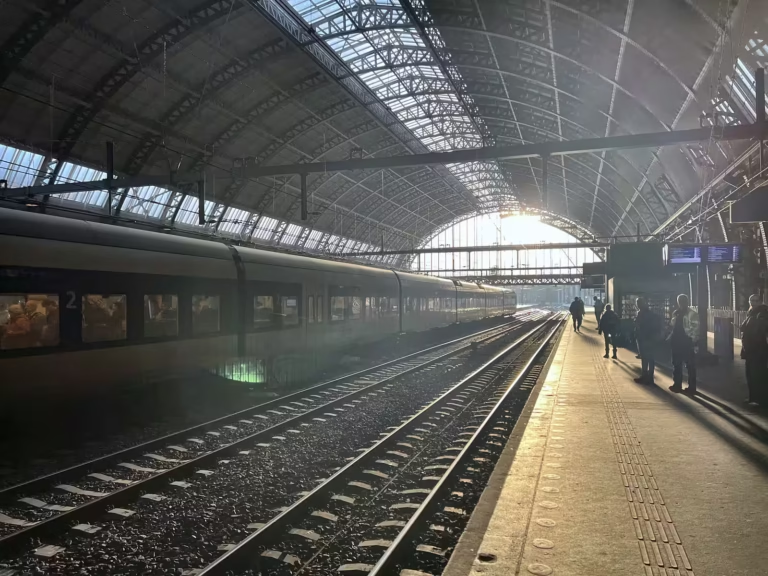
Amsterdam Centraal Station is often the first place visitors see when they arrive by train. Its historic façade faces the centre, while…
De Bijenkorf Amsterdam: shopping and history on Dam Square
De Bijenkorf Amsterdam is a department store on Dam Square, with fashion, homeware and places to eat. The building also has a…

De Waag Amsterdam: from city gate to weigh house
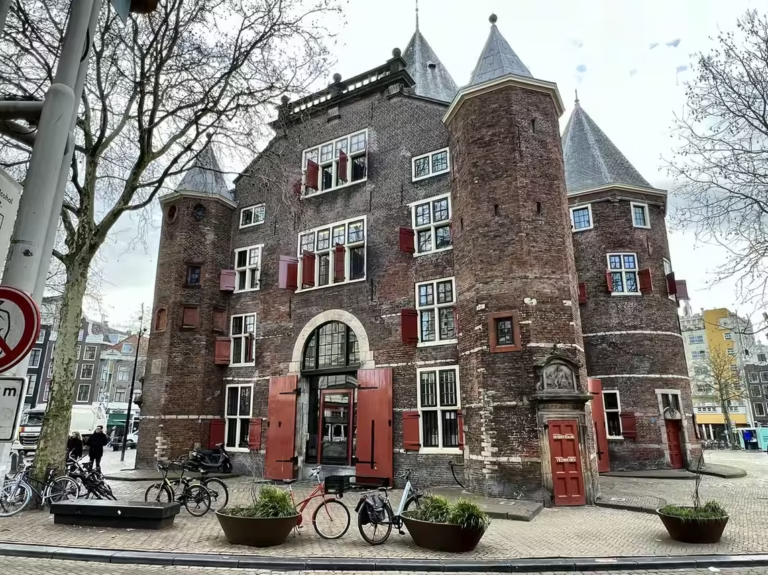
De Waag Amsterdam stands on Nieuwmarkt. Built as a city gate, it later became a weigh house and a meeting place for…
Begijnhof Amsterdam: courtyard history and visiting guide
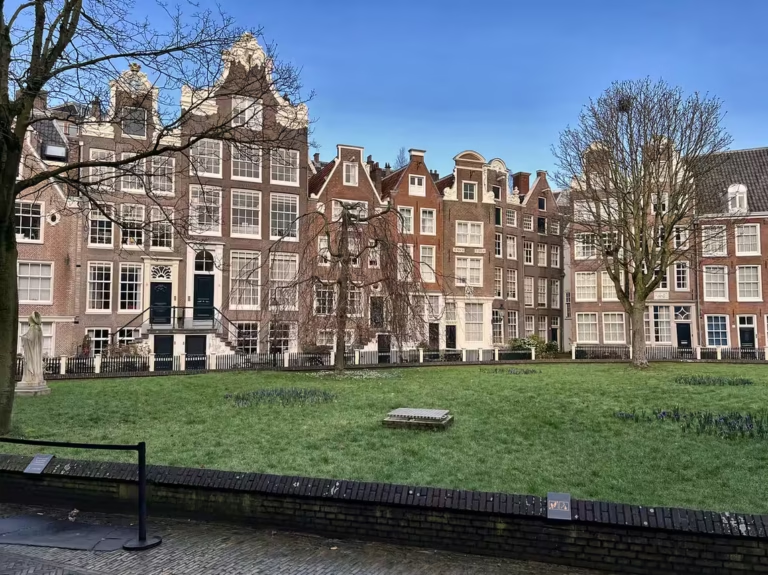
Begijnhof Amsterdam is a historic courtyard once home to a community of religious women known as Beguines. Its houses and churches tell…


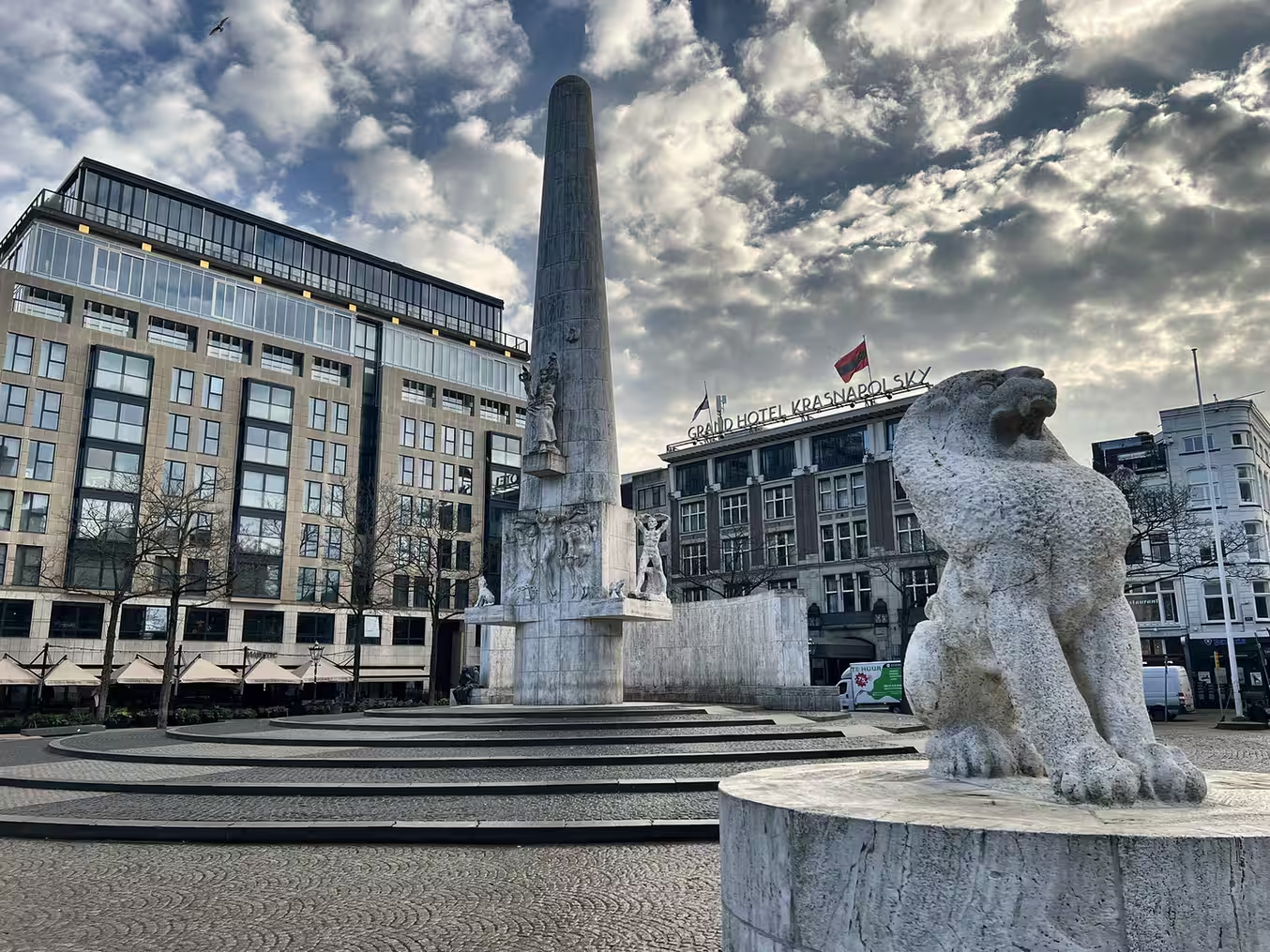
Dam Square: the Royal Palace and National Monument
Dam Square brings the Royal Palace and National Monument together in one place. Stop here to get your bearings before walking into the surrounding streets.
Amsterdam’s canal belt: history and ways to explore
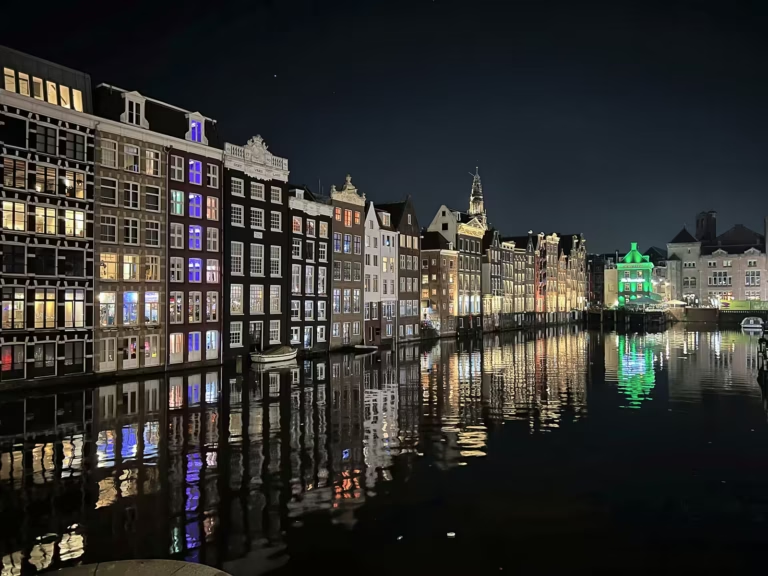
Amsterdam’s seventeenth-century canal belt is a UNESCO World Heritage Site. Its curved layout records the city’s expansion during a period of growing trade.
Herengracht, Keizersgracht and Prinsengracht are the main canals in the belt. Walk along their banks to see canal houses, bridges and houseboats. Our guide to Amsterdam’s canals explains their history; a canal cruise offers a view from the water.

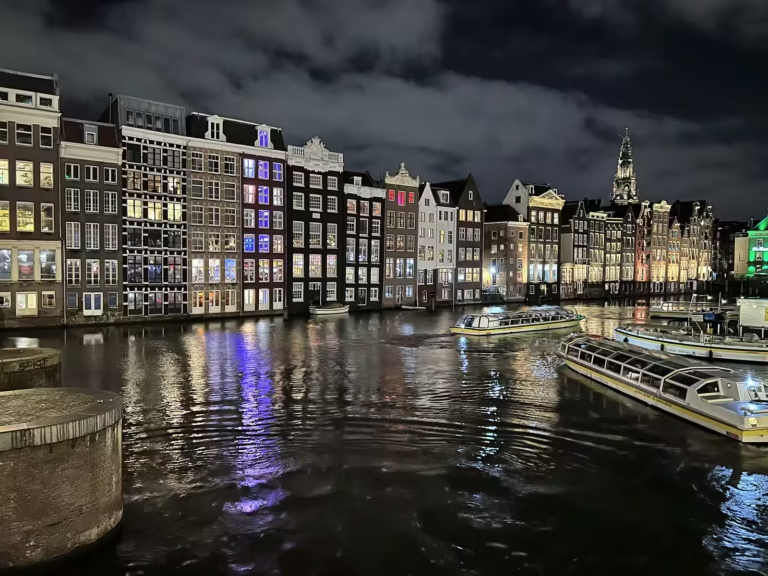

Exploring on foot gives you time to turn into side streets and stop at a café. A boat tour covers the canals differently, with views of the houses and bridges from below street level.
The canals are residential streets as well as places to visit. Leave space for people walking and cycling, and pause somewhere out of the way when taking photographs.
More ways to explore Amsterdam
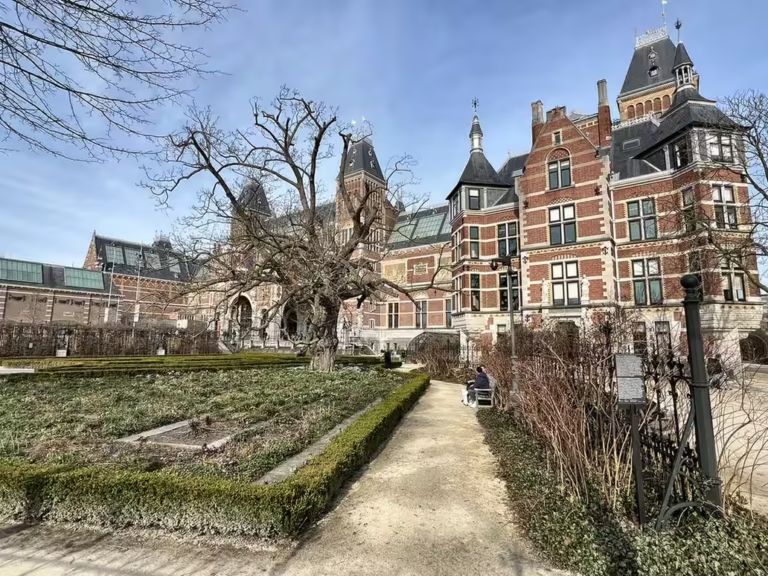
Museums & Art
Choose between the Van Gogh Museum, Rijksmuseum, Anne Frank House and NEMO Science Museum. Read about their collections and decide which museums fit your visit.
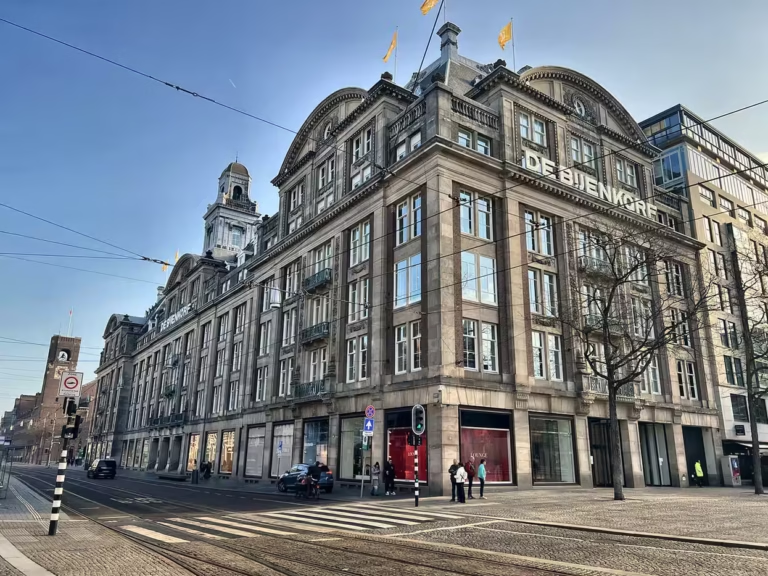
Shopping & Markets
Browse the Kalverstraat for familiar brands, the Nine Streets for boutiques or the Albert Cuyp Market for stalls and street food. Find the shopping area that suits you.
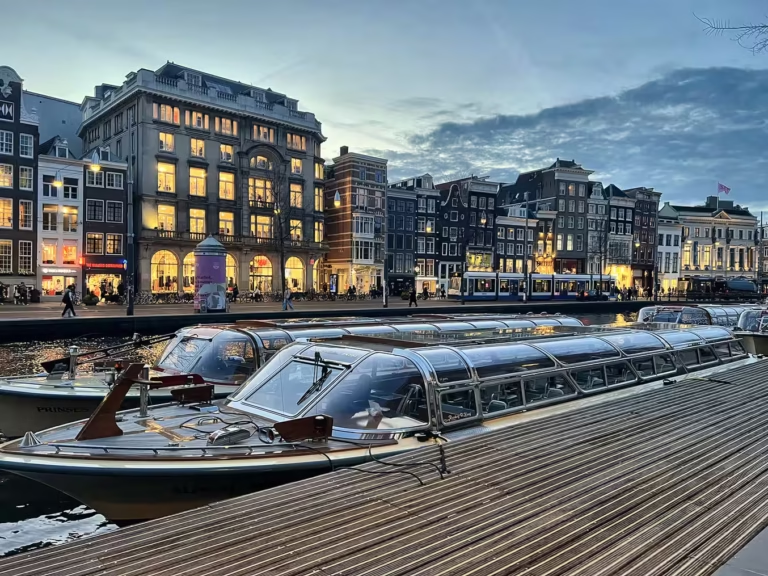
Unique Experiences
See the city from A’DAM Lookout, take a canal cruise, visit the Heineken Experience or explore NDSM Wharf. Read the guides to choose an activity for your trip.
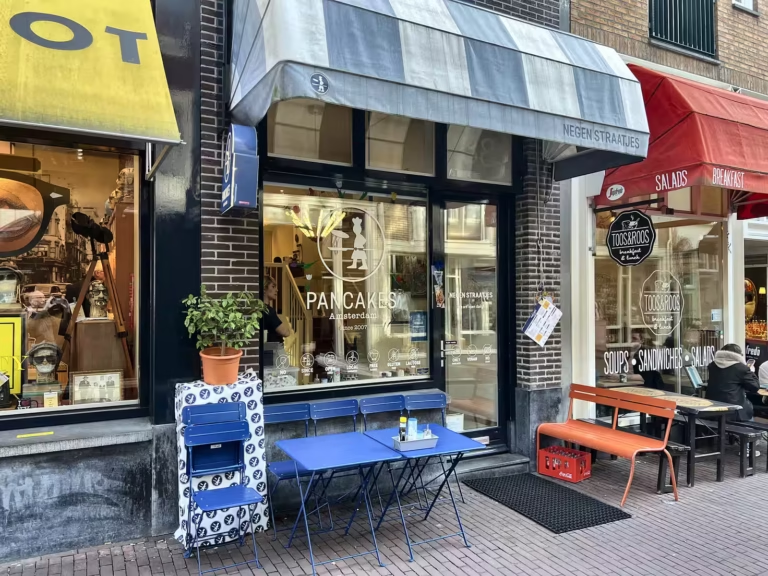
Food & Drinks
Find somewhere to eat or stop for a drink in Amsterdam. Explore the Foodhallen, Dutch pancake houses and traditional brown cafés.
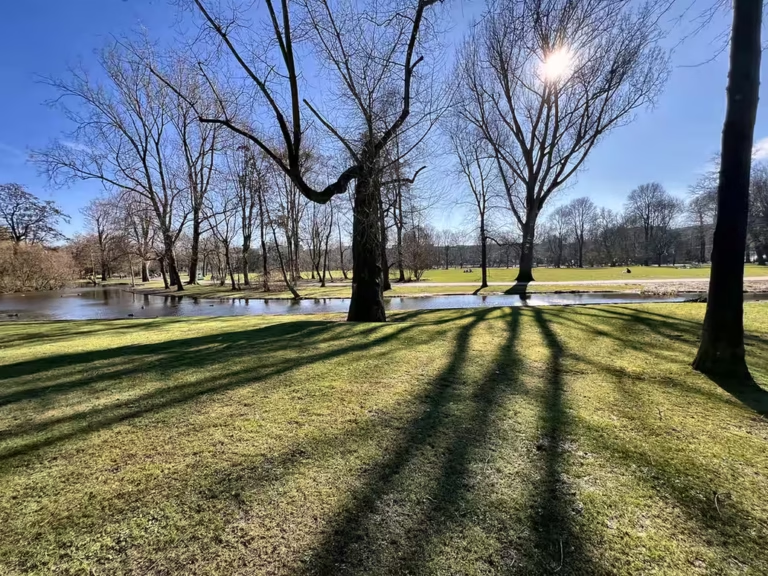
Parks & Nature
Take a break in Vondelpark or Oosterpark, explore Amsterdamse Bos or visit the Hortus Botanicus. Compare the city’s parks and gardens before you go.
Read Amsterdam history through its streets
A walk can connect the places in these guides without turning the day into a series of separate visits. Start with a landmark that interests you, then look at the surrounding streets and buildings. Around Dam Square, the palace and public square tell different parts of the city’s story. Along the canal belt, the width of a plot, the shape of a roof and the position of a bridge can be as interesting as a famous address.
Compare landmarks before choosing a visit
A church, courtyard and museum offer different ways to explore history. The Oude Kerk and Westerkerk introduce the city’s religious buildings, while the Begijnhof is a place to read about a former community and its homes. Some locations are active places of worship or residential areas. Check visitor rules and access arrangements before going, and be considerate of people who use the buildings for everyday life.
Plan a walk with time to look
Choose a manageable area rather than trying to follow every period of Amsterdam history in one afternoon. Read the guide to each place before you arrive so you know which details to notice. A canal walk can be combined with a visit to a museum, but allow time for entry, breaks and travel between stops. If you want to go inside a historic building, check its official website for current hours and tickets. Keep part of your route flexible: a quiet side street or a view across the water may give you another reason to pause.