
The NDSM Wharf represents a unique chapter in Amsterdam’s urban development. Originally the site of the Nederlandsche Dok en Scheepsbouw Maatschappij, the area faced decline in the 1980s before being reclaimed by artists and pioneers. Today, the NDSM Wharf serves as a focal point for large-scale art installations, sustainable urban living, and creative enterprises. Visitors can access the area via a free ferry from behind Amsterdam Central Station, making it an accessible destination for those interested in industrial heritage and contemporary culture.
In this blog:
The Industrial History of the NDSM Wharf
The history of the NDSM Wharf is deeply rooted in the maritime identity of the Netherlands. The site was formed through the merger of two companies: the Nederlandsche Scheepsbouw Maatschappij (NSM) and the Nederlandsche Dok Maatschappij (NDM) in 1946. This merger created the Nederlandsche Dok en Scheepsbouw Maatschappij, which became a dominant force in global shipbuilding. During its peak in the mid-20th century, the shipyard was responsible for constructing massive tankers, cargo ships, and even passenger vessels.
The decline of the European shipbuilding industry in the 1970s and 1980s hit the NDSM Wharf hard. Economic shifts and competition from shipyards in Asia led to the eventual bankruptcy of the company in 1984. For nearly two decades, the vast terrains and enormous hangars remained largely abandoned. This period of vacancy allowed for the emergence of a “bottom-up” urban development strategy. Squatters and artists recognized the potential of the derelict buildings, leading to the establishment of the Kinetisch Noord foundation, which aimed to preserve the industrial character while repurposing the space for creative use.
Tip: The NDSM-werf was officially designated as a protected provincial monument in 2005 under the registration of the North Holland provincial heritage list.
How to get there?
Plan my journey

Architectural Significance and Monumental Status
The architecture of the NDSM Wharf is characterized by its “Rough and Ready” aesthetic. Large steel structures, concrete slipways, and expansive brick warehouses define the skyline. One of the most prominent structures is the NDSM-loods, a massive shed that once housed shipbuilding activities. The scale of these buildings is a testament to the industrial ambitions of the 20th century. The preservation of these structures has been a priority for the City of Amsterdam to maintain a physical link to the city’s labor history.
Other notable architectural features include the Crane 13, which has been converted into a luxury hotel. This specific crane, a Figee crane built in 1951, stands as a landmark visible from across the IJ river. The slipways, where ships were once launched into the water, remain integrated into the landscape. These sloped concrete surfaces are now frequently used for outdoor exhibitions and public seating. The contrast between the rusted iron of the old docks and the modern glass facades of newly built corporate headquarters nearby illustrates the ongoing gentrification and evolution of the NDSM Wharf.
Tip: Crane 13, now known as the Faralda Crane Hotel, reaches a total height of 50 meters above the ground level of the wharf.
NDSM Warf Guide!
Cultural Transformation and the NDSM-Loods
The NDSM-loods is the cultural heart of the NDSM Wharf. Measuring approximately 20,000 square meters, it functions as a “city within a city.” Inside, the space is divided into several units known as the Kunststad (Art City). This area provides affordable studio space for over 100 artists, designers, and craftspeople. The internal structure is built from recycled materials and shipping containers, reflecting the sustainable and DIY ethos of the community.
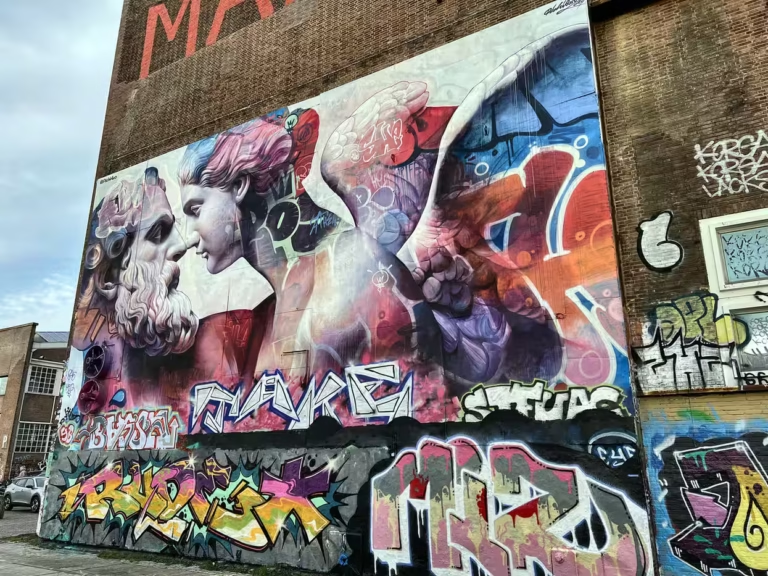
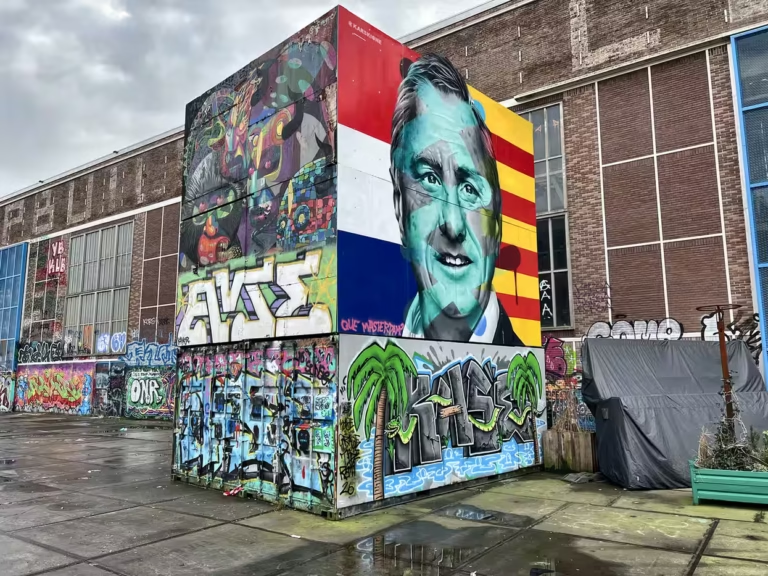
The exterior of the buildings at the NDSM Wharf has become a canvas for international street art. The most famous example is the large-scale mural of Anne Frank, titled “Let Me Be Myself,” created by the Brazilian artist Eduardo Kobra. This mural covers 240 square meters of the Laserloods building. The presence of the STRAAT Museum, located within one of the former warehouses, further solidifies the area’s reputation as a global center for graffiti and urban art. Unlike traditional museums, the STRAAT Museum utilizes the massive height of the industrial halls to display works that are often as large as the walls themselves.
Tip: The STRAAT Museum occupies a former warehouse of 8,000 square meters located at MS. van Riemsdijkweg 33.

Magna Plaza – A Former Post Office Turned Shopping Palace
Just behind Dam Square, the impressive Magna Plaza building was originally constructed in 1899 as Amsterdam’s main post office, designed in a striking neo-Gothic and neo-Renaissance style. The historic building later transformed into an elegant shopping centre, where visitors can explore boutiques inside one of the city’s most beautiful historic interiors.
Events and the NDSM Vrijhaven
The NDSM Wharf is a primary location for large-scale events in Amsterdam. The vast open spaces of the former shipyard allow for festivals that would be difficult to host in the dense city center. Events such as the DGTL Festival and Over het IJ Festival utilize the industrial backdrop to create a specific atmosphere. The “Vrijhaven” (Free Port) concept is central to the area’s identity, emphasizing a space where experimentation and creative freedom are encouraged.
In addition to music and theater festivals, the NDSM Wharf hosts the IJ-Hallen, which is the largest flea market in Europe. This market takes place roughly once a month in the large hangars or on the outdoor terrains during the summer. Hundreds of stalls sell everything from vintage clothing to industrial furniture, attracting thousands of visitors. The programmatic diversity of the wharf ensures that it remains active throughout the year, serving both the local creative community and international tourists.



Media and Commercial Presence
In recent years, the NDSM Wharf has attracted significant commercial interest, particularly from the media and creative sectors. Large corporations such as Red Bull and Viacom (MTV) have established their Dutch headquarters in the renovated industrial buildings. This influx of corporate capital has funded the restoration of several derelict structures but has also sparked debates regarding the preservation of the original “underground” spirit of the area.
The location has also served as a backdrop for various media productions. The industrial aesthetic of the NDSM Wharf is frequently featured in Dutch television series and international documentaries focusing on urban regeneration. The combination of historical maritime elements and modern creative industry makes it a visually compelling location for filmmakers. The presence of the NDSM Foundation ensures that commercial development is balanced with cultural programming, maintaining a site-specific identity that honors its shipbuilding roots while embracing its role as a modern urban laboratory.

A creative day out at NDSM Wharf Amsterdam
The NDSM Wharf is a former industrial shipyard located on the northern banks of the IJ river in Amsterdam. Once the largest shipbuilding facility in the Netherlands, it has transformed into a vibrant cultural hub. This guide explores its historical significance, architectural heritage, and current role as a center for arts and media.
Take a virtual tour with Google Streetview!
Frequently Asked Questions (FAQ)
How do I get to the NDSM Wharf?
You can take a free ferry from the rear side of Amsterdam Central Station. Look for the ferry labeled “NDSM” (Line F4). The journey takes approximately 15 minutes and operates frequently throughout the day and night.
Is the NDSM Wharf free to visit?
Yes, walking around the NDSM Wharf and visiting the NDSM-loods is free of charge. However, specific attractions like the STRAAT Museum or certain festivals require a paid ticket.
Can I see street art at the NDSM Wharf?
Yes, the area is known for its extensive collection of street art and murals. The most prominent mural is the portrait of Anne Frank on the side of the Laserloods building, which is visible from the public street.
Are there restaurants at the NDSM Wharf?
There are several dining options located in repurposed industrial buildings, such as IJver, Pllek, and Noorderlicht. These venues often feature outdoor terraces with views of the IJ river.
Sources
- Gemeente Amsterdam. (2022). Erfgoed van Amsterdam: NDSM-werf.
- Stichting NDSM-werf. (2023). History and Culture of the NDSM.
- Rijksdienst voor het Cultureel Erfgoed. (2005). Monumentenregister: NDSM-werf complex.
- STRAAT Museum. (2023). About the Museum and the Building.
- Faralda Crane Hotel Amsterdam. (2023). Technical Specifications of Crane 13.

Leave a Reply