
Visiting Amsterdam often involves a stop at Dam Square, but the building standing at Nieuwezijds Voorburgwal 182 deserves its own dedicated exploration. Known today as Magna Plaza, this structure represents a pivotal moment in Dutch architectural history. Whether you are interested in the transition of postal services in the 19th century or the modern transformation of historic spaces into retail hubs, this building offers a multifaceted experience. This blog provides a detailed overview of the history, construction, and current functions of Magna Plaza, ensuring you have all the factual information needed for your visit.
Magna Plaza still carries the grandeur of its historic architecture, but the impact of the COVID-19 pandemic is clearly visible. Many shops were forced to close during the lockdowns, leaving parts of the building quiet and empty. Slowly, new businesses are beginning to settle in, bringing life back to the space. For now, however, only the first floor is open to visitors, as the revival continues step by step.
In this blog:
The Architectural Vision of Cornelis Peters
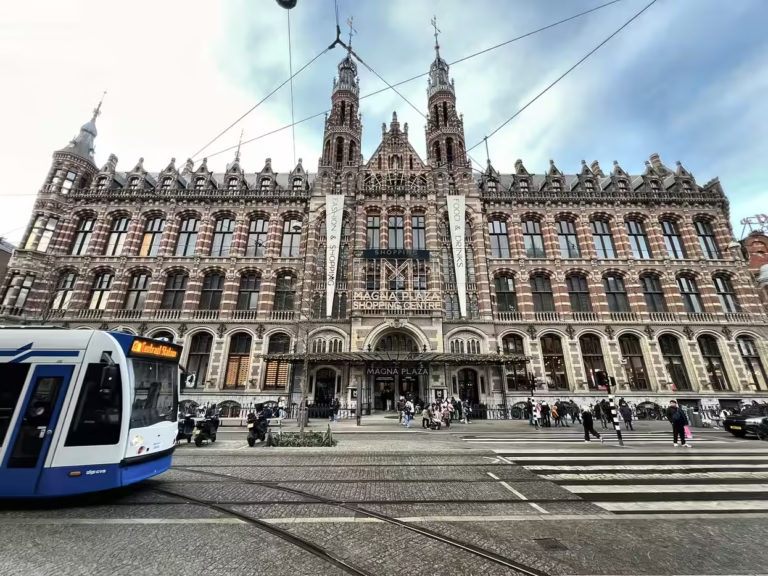
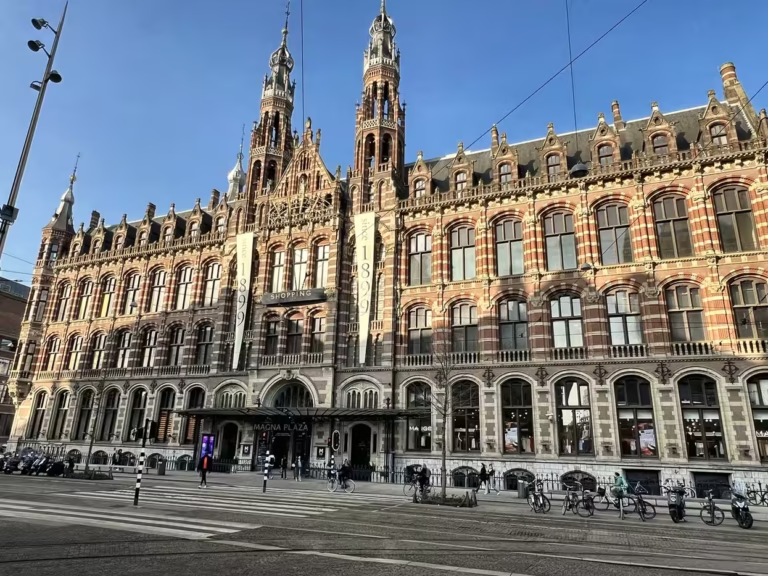
The construction of the building that now houses Magna Plaza began in 1895. The government architect for postal and telegraph buildings, Cornelis Hendrik Peters, was commissioned to design a structure that could handle the rapidly increasing volume of mail in the late 19th century. Peters, a student of the famous architect P.J.H. Cuypers, opted for a style that combined Neo-Gothic and Neo-Renaissance elements. This choice was somewhat controversial at the time, as critics felt the style was too ornate for a functional government building.
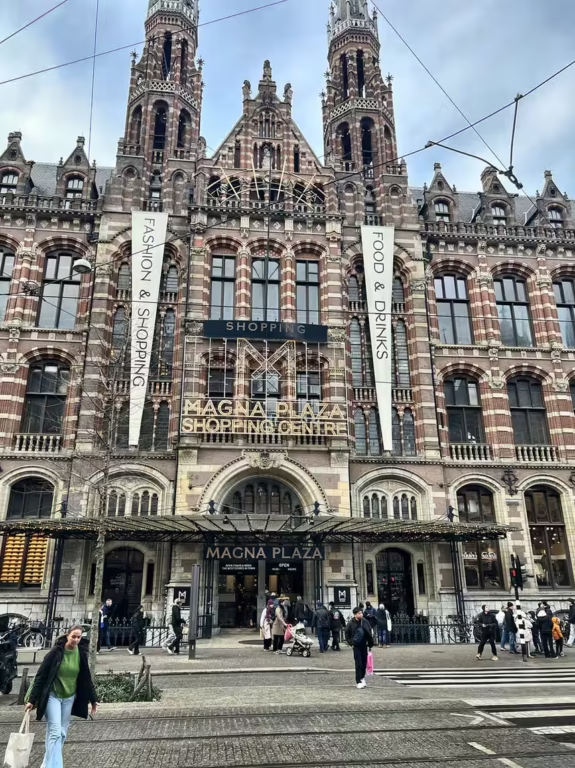
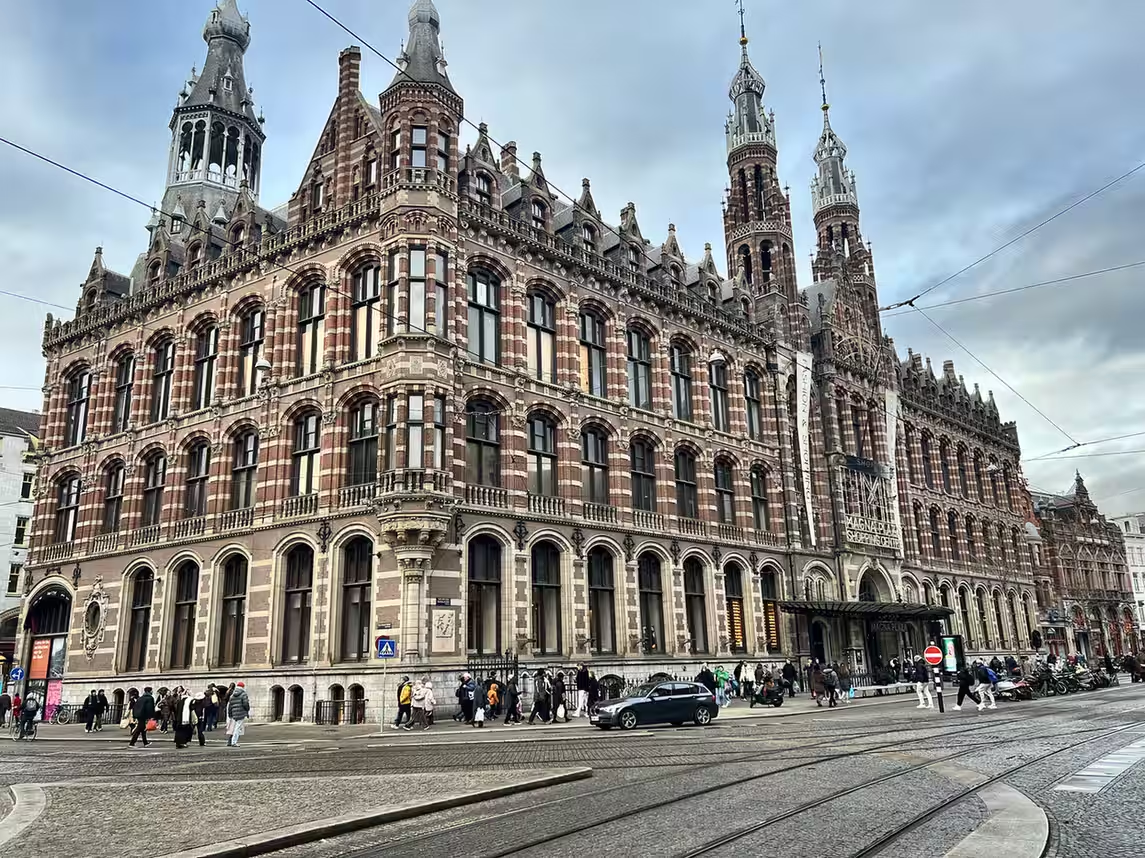
The exterior is characterized by the extensive use of brickwork, decorated with natural stone details. The most striking features are the numerous turrets and pinnacles, which led locals to give the building the nickname “Perenburg” (Pear Castle), a play on the architect’s name and the shape of the decorations. The facade features a rhythmic repetition of windows and arches, creating a sense of height and grandeur. The building was officially completed and opened for service in 1899, serving as the central hub for the national postal service for nearly a century.
Tip: The building is officially registered in the Rijksmonumentenregister under monument number 3905.
How to get there?
Plan my journey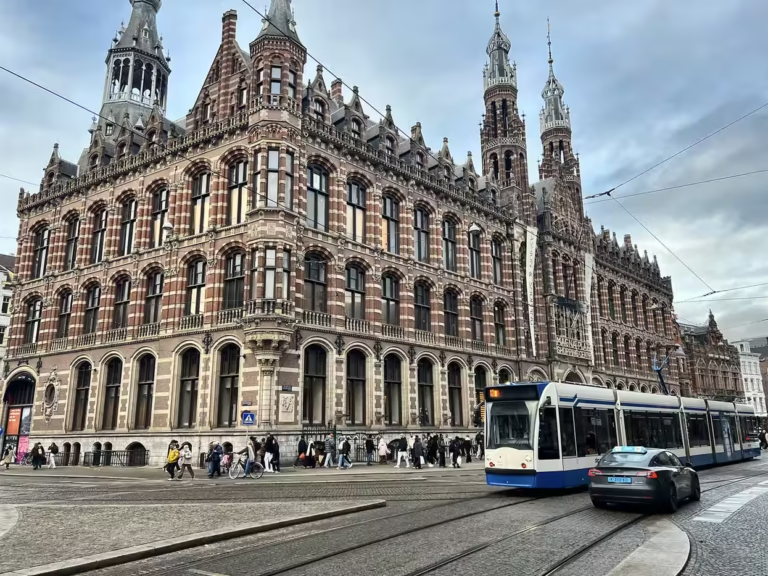
From Main Post Office to Shopping Destination
For decades, the building functioned as the beating heart of communication in Amsterdam. However, by the late 20th century, the operational needs of the postal service had changed. The building was no longer efficient for modern mail sorting and logistics. In 1987, the Dutch postal service (then PTT) announced its intention to vacate the premises. This sparked a debate about the future of the massive structure, with many fearing it would fall into disrepair or be subdivided in a way that ruined its historical integrity.
In 1991, a major renovation project began under the guidance of project developer Larmag. The goal was to transform the interior into a modern shopping mall while preserving the monumental exterior and the central hall. The renovation was extensive, involving the removal of many internal partitions added over the years to reveal the original monumental staircase and the open atrium. Magna Plaza officially opened its doors to the public as a shopping center on August 27, 1992. It was the first “mall” of its kind in the Amsterdam city center, focusing on international brands and luxury goods.
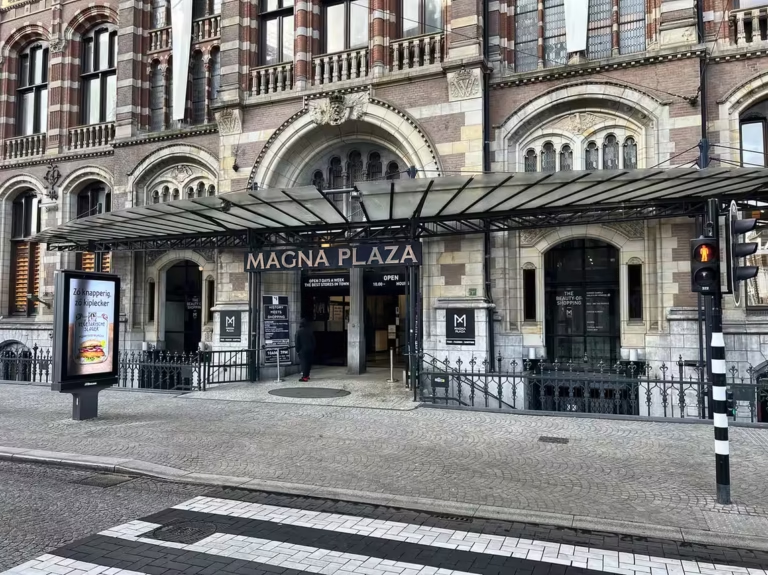
Tip: Magna Plaza is located at the exact address of Nieuwezijds Voorburgwal 182, 1012 SJ Amsterdam.
Magna Plaza shopping center
Historical Significance and Monument Status
The historical importance of Magna Plaza extends beyond its aesthetic appeal. It stands on a site that has been significant to Amsterdam’s urban development for centuries. Before the post office was built, the site was occupied by the Stadspostkantoor, which had become too small for the growing city. The decision to build such an expensive and elaborate structure reflected the wealth and global ambitions of the Netherlands during the late 19th century.
Because of its unique architecture and its role in the history of Dutch civil services, the building was granted protected status. It is listed as one of the top Dutch heritage sites. The conservation efforts during the 1990s were strictly monitored to ensure that original materials were used where possible. Today, the building serves as a prime example of adaptive reuse, showing how a specialized industrial or service building can be repurposed for commercial use without losing its cultural identity.
Tip: The shopping center is open daily from 10:00 to 21:00, including weekends.
Amsterdam Hidden Gems
Psss … don’t tell anyone!
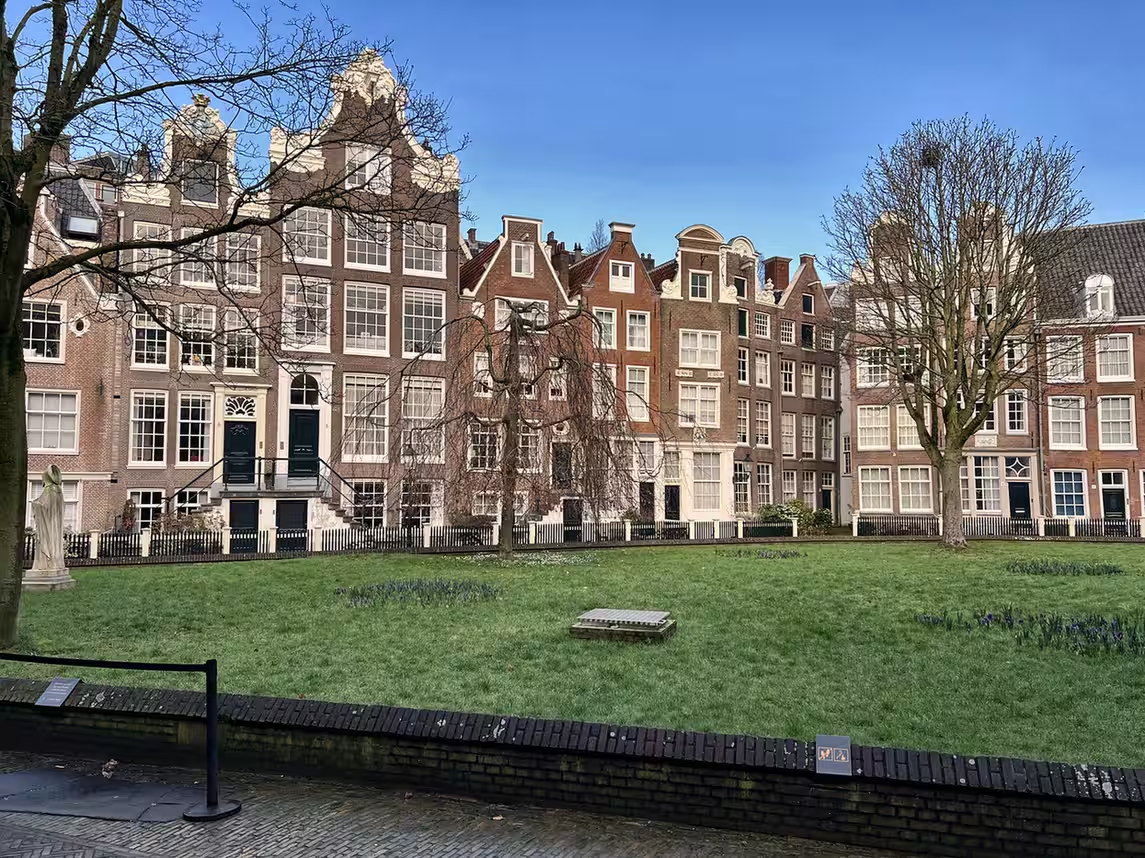
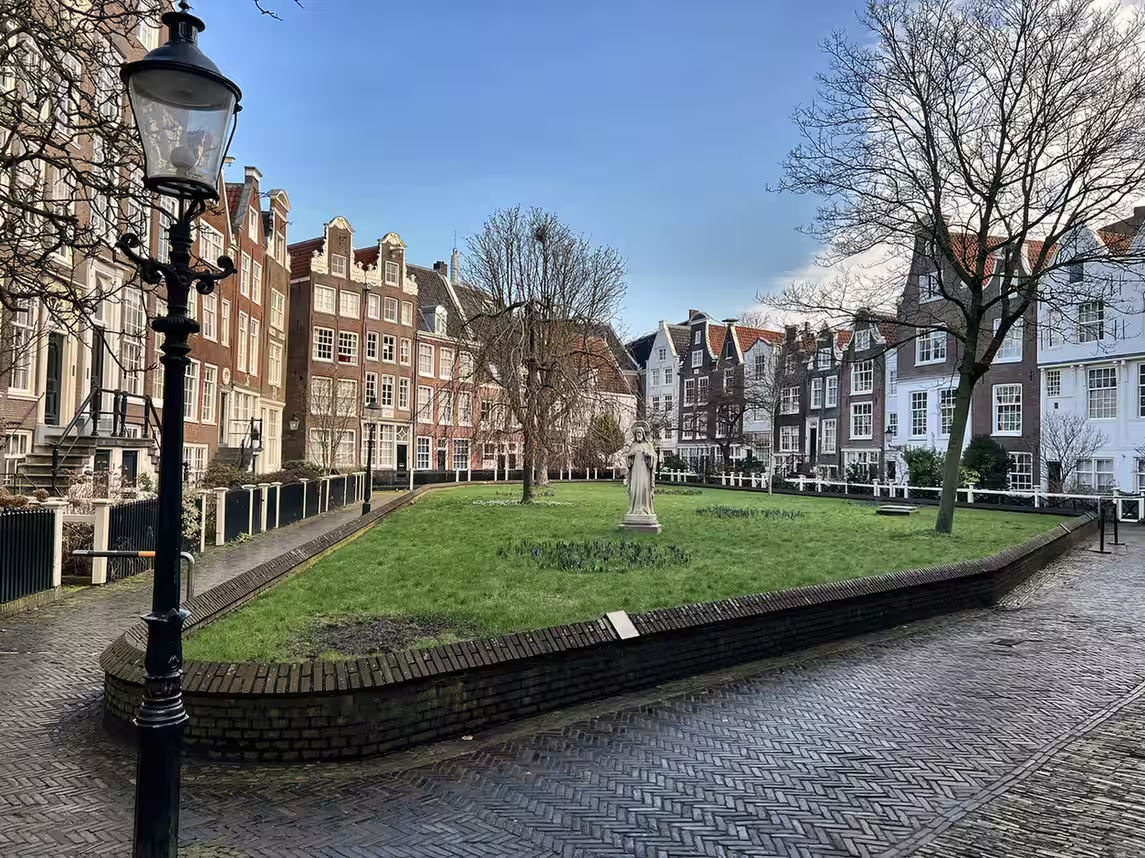
BEGIJNHOF
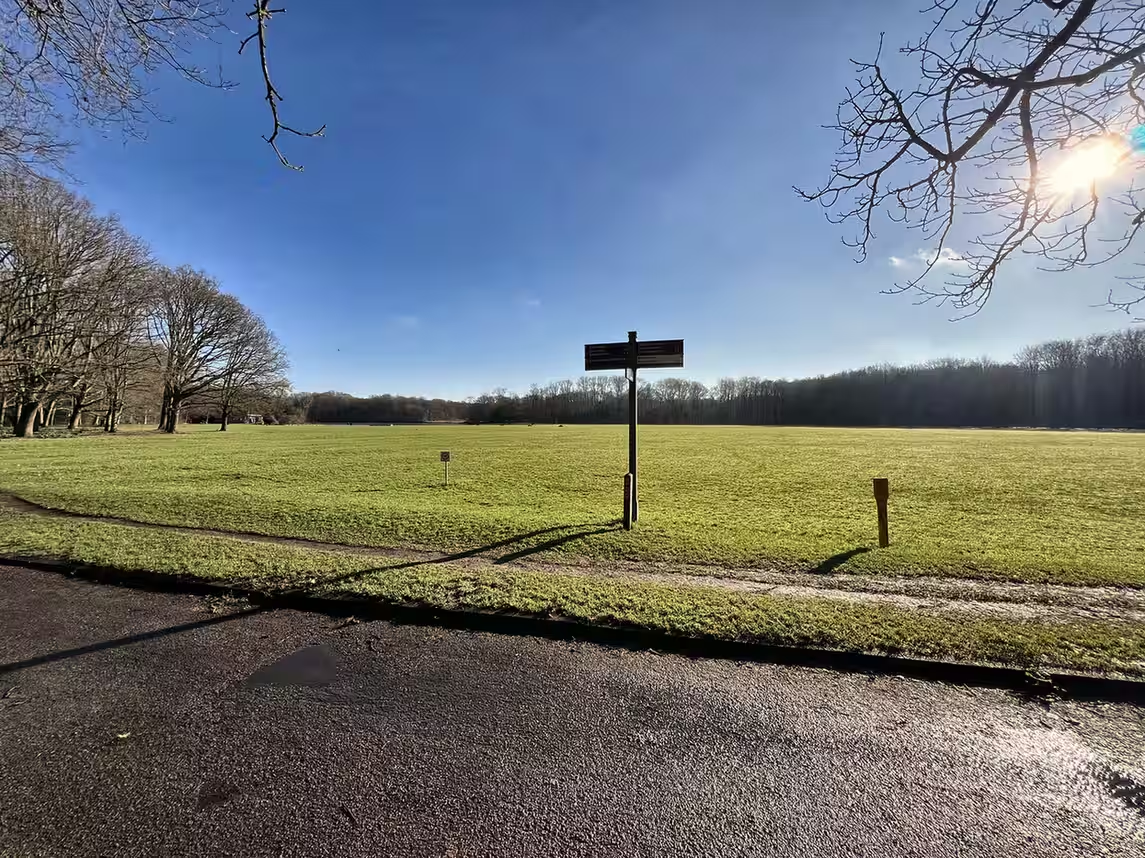
AMSTERDAMSE BOS
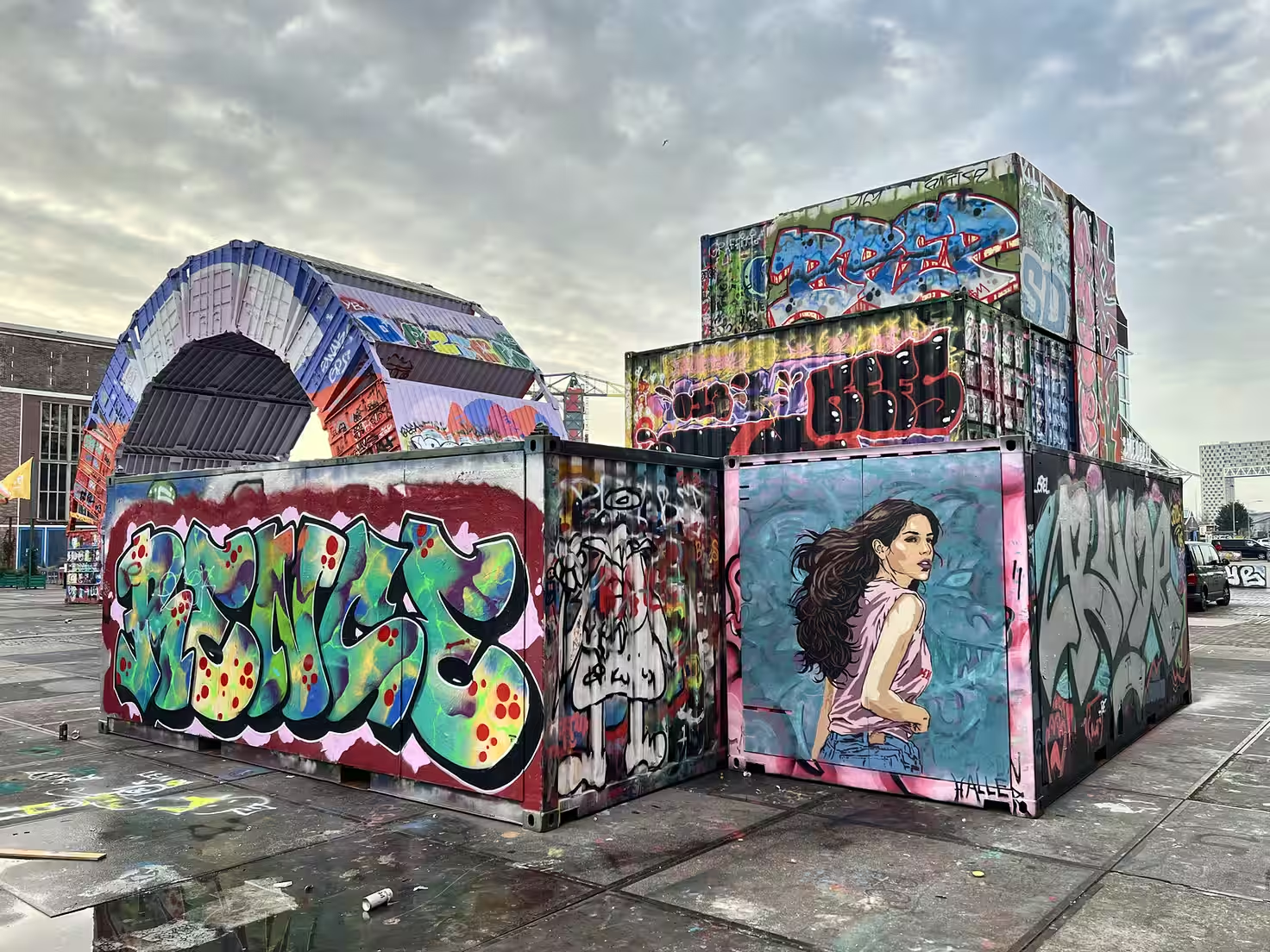
NDSM WARF
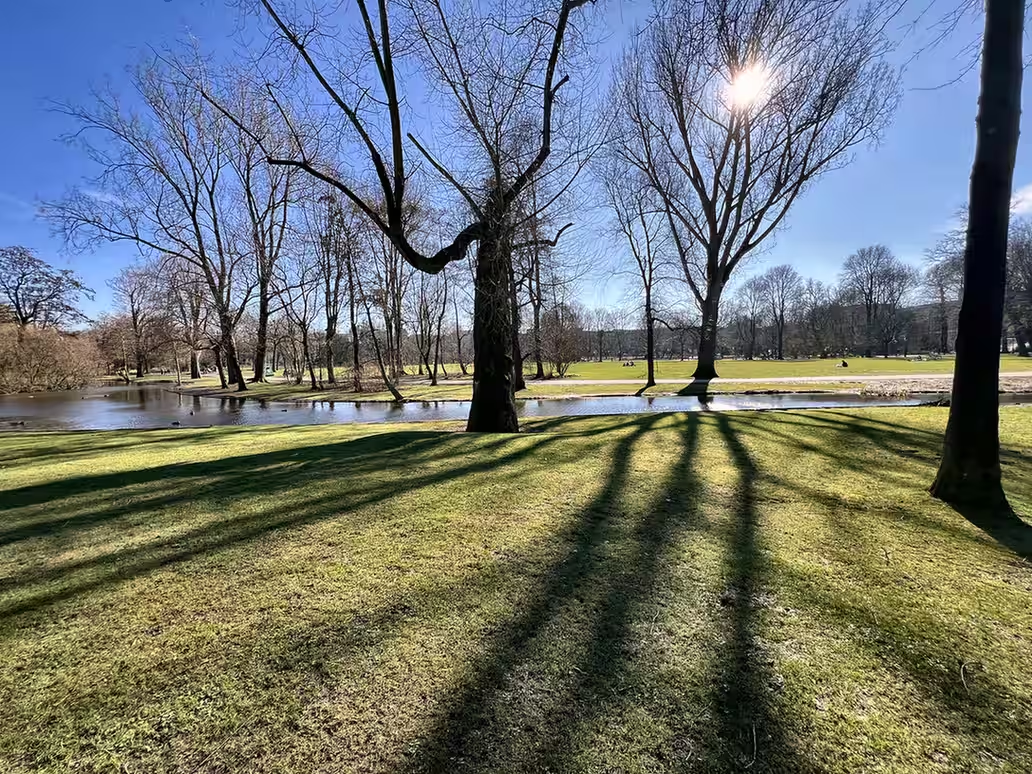
OOSTERPARK
Interior Design and Structural Layout
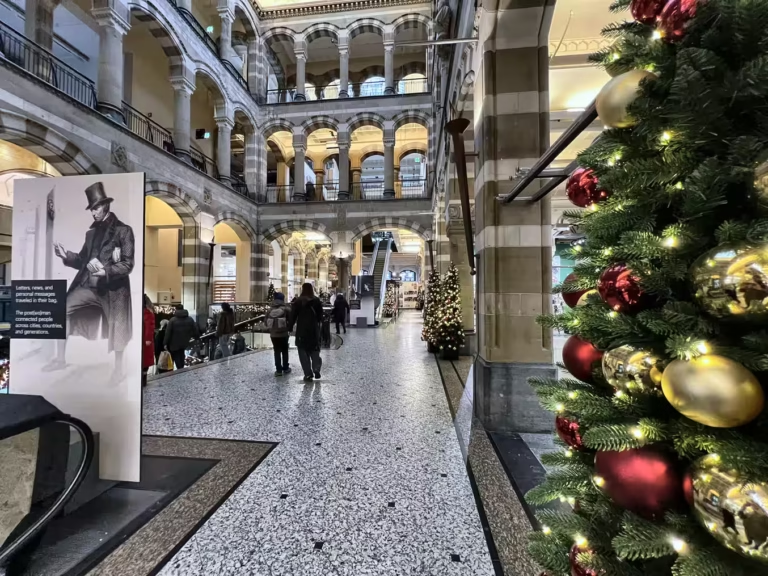
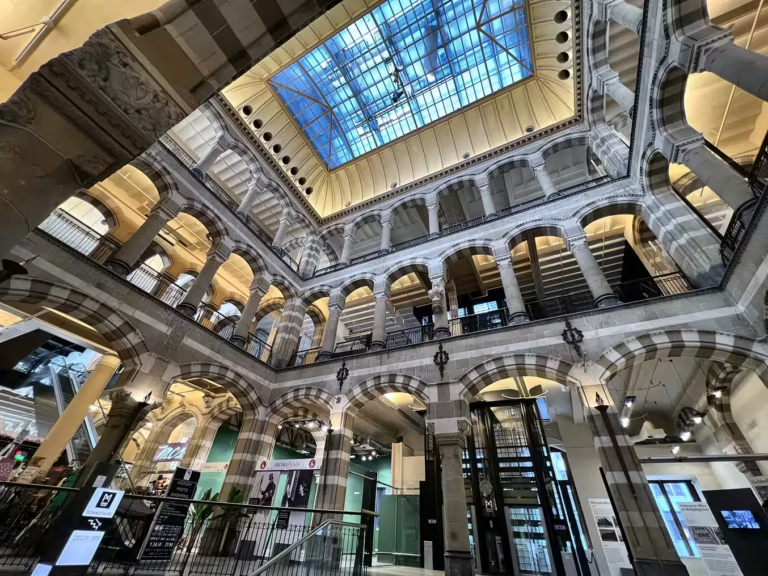
Upon entering Magna Plaza, the most notable feature is the vast central atrium. The design utilizes a series of galleries that look down onto the ground floor, supported by heavy stone pillars and decorated with intricate ironwork. The ceiling consists of a large glass roof, which allows natural light to flood the entire interior, highlighting the textures of the brick and stone. This light-filled space was a technical achievement at the time of its original construction, providing necessary visibility for postal workers before the widespread use of electric lighting.
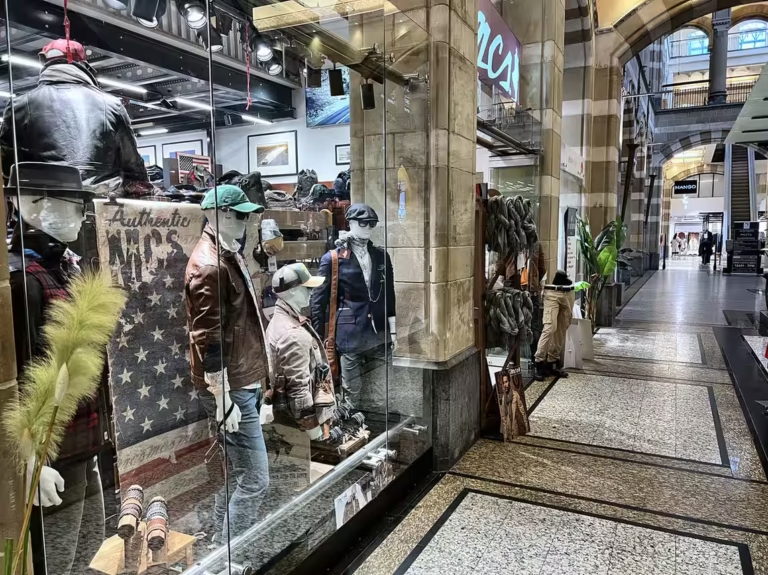
The layout is divided across four main levels. The basement and ground floor typically house high-traffic retail units, while the upper floors are accessible via elevators and the central staircases. In recent years, the top floor has transitioned toward culinary experiences, housing the Food Department, a food hall featuring various local vendors. This shift reflects broader trends in urban retail where food and beverage options are integrated into shopping destinations to increase “dwell time” for visitors.
Cultural Impact and Media Appearances
Magna Plaza is a frequent subject for photographers and filmmakers due to its distinctive silhouettes. It often appears in the background of news broadcasts and documentaries centered on Dam Square or the Royal Palace. Its presence in the city skyline is unmistakable, particularly when viewed from the Rear Side (Achterzijde) of the Palace.
The building has also been featured in various Dutch media productions. It served as a backdrop in scenes for the Dutch television series “Baantjer” and has appeared in several international travel programs documenting the architecture of Amsterdam. Unlike many modern shopping centers, Magna Plaza maintains a connection to the high-culture landscape of the city, often hosting temporary exhibitions or musical performances in its central hall, leveraging the excellent acoustics provided by the high ceilings and hard surfaces.
Is Magna Plaza Amsterdam worth a visit today?
Magna Plaza is a prominent building in the center of Amsterdam, located directly behind the Royal Palace on Dam Square. Originally constructed as the Main Post Office (Hoofdpostkantoor) between 1895 and 1899, it now serves as a high-end shopping center. The building is a protected Rijksmonument (national monument) and is celebrated for its unique Neo-Gothic and Neo-Renaissance architectural styles, designed by architect Cornelis Peters.
Take a virtual tour with Google Streetview!
Frequently Asked Questions (FAQ)
Is Magna Plaza free to enter?
Yes, the building is a public shopping center and there is no entrance fee to walk inside and view the architecture.
What was the building before it became a shopping mall?
It was the Main Post Office (Hoofdpostkantoor) of Amsterdam, constructed between 1895 and 1899.
Are there public toilets in Magna Plaza?
Yes, there are paid public toilet facilities located on the top floor near the food hall area.
Who designed the building?
The building was designed by the government architect Cornelis Hendrik Peters in a Neo-Gothic and Neo-Renaissance style.
Sources
- Gemeente Amsterdam. (n.d.). Monumenten Inventarisatie Project: Nieuwezijds Voorburgwal 182.
- Magna Plaza. (2024). About Magna Plaza: History and Architecture.
- Rijksdienst voor het Cultureel Erfgoed. (n.d.). Monumentnummer: 3905 – Nieuwezijds Voorburgwal 182 1012 SJ te Amsterdam.
- Stadsarchief Amsterdam. (n.d.). Het Hoofdpostkantoor aan de Nieuwezijds Voorburgwal.
- Wikipedia contributors. (2024). Magna Plaza.

Leave a Reply