
Moco Museum Amsterdam presents contemporary and digital art in a townhouse near Museumplein. Its setting is quite different from the neighbouring Rijksmuseum and Van Gogh Museum. This guide covers the building, art and practical details to check before visiting.
In this guide
The History and Architecture of Villa Alsberg
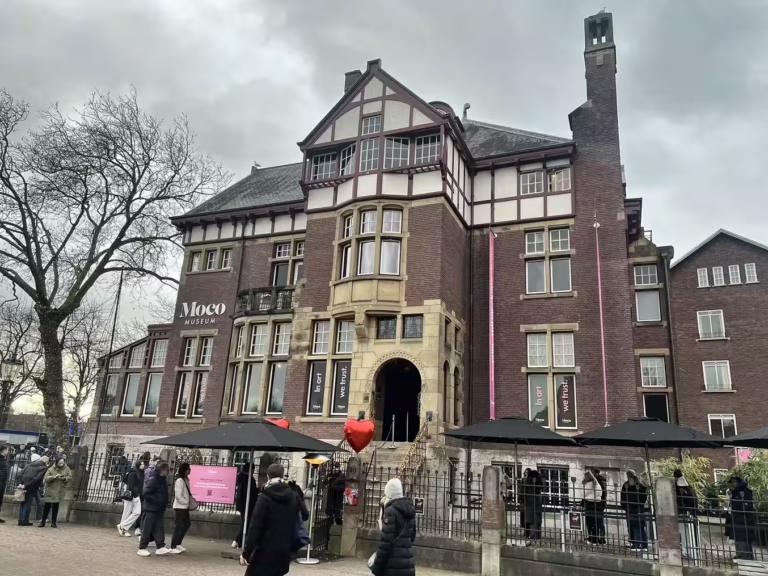
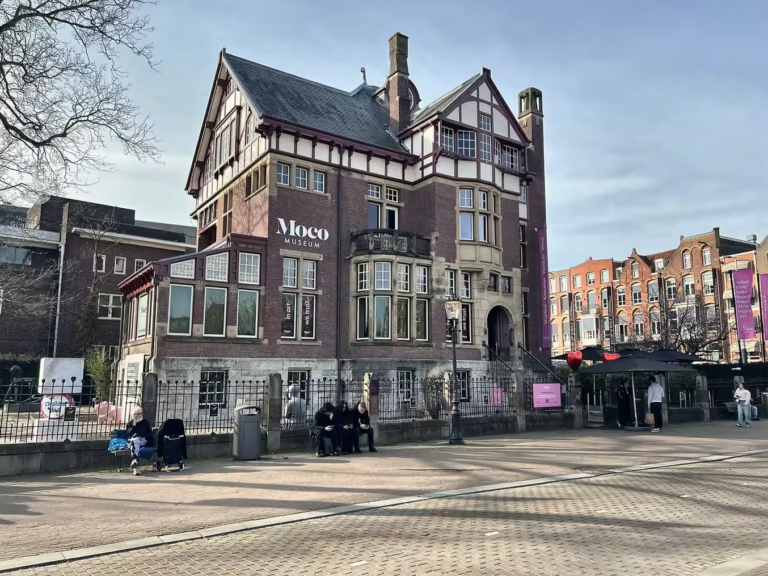
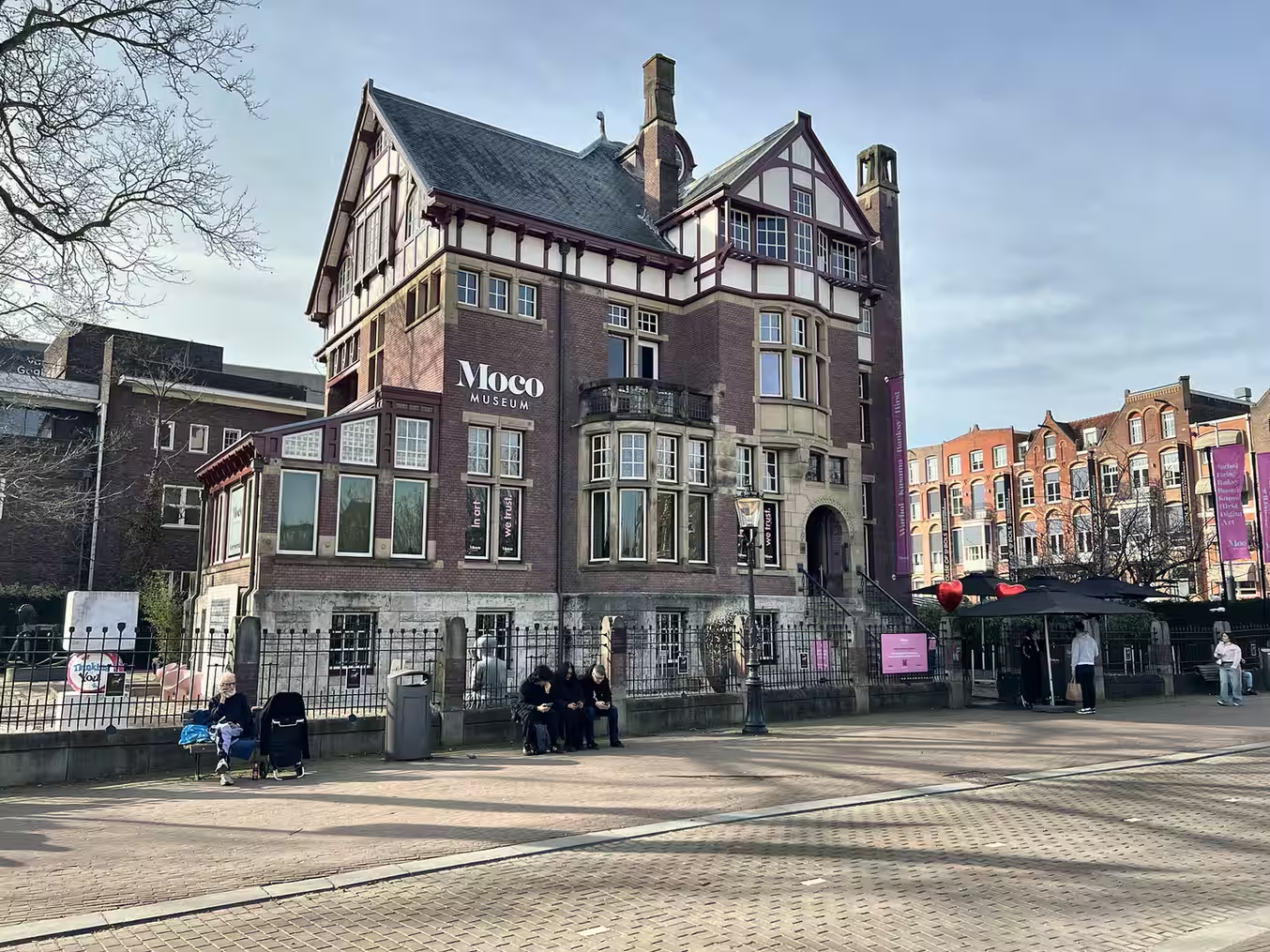
The building that houses the Moco Museum is known as Villa Alsberg. It was designed in 1904 by architect Eduard Cuypers, who was the nephew of Pierre Cuypers, the architect responsible for the Rijksmuseum and Amsterdam Central Station. The villa was one of the first private residences built on the Museumplein. Its design features elements of the Dutch Neo-Renaissance style, characterized by detailed brickwork and stone accents. The building served as a residence and later as an office space for various firms before it was repurposed as an art museum.
In 2016, the Moco Museum officially opened its doors to the public after an extensive interior renovation. The project aimed to preserve the historic character of the villa while creating white-cube gallery spaces suitable for contemporary art. The contrast between the traditional 19th-century staircase and the modern artworks is a defining feature of the visitor experience. Despite the modern interventions, many original details, such as the stained-glass windows and decorative woodwork, remain intact, providing a unique historical context for the modern pieces on display.
Tip: Villa Alsberg, the home of the Moco Museum, was originally constructed in the year 1904.

Featured Artists and Permanent Collections
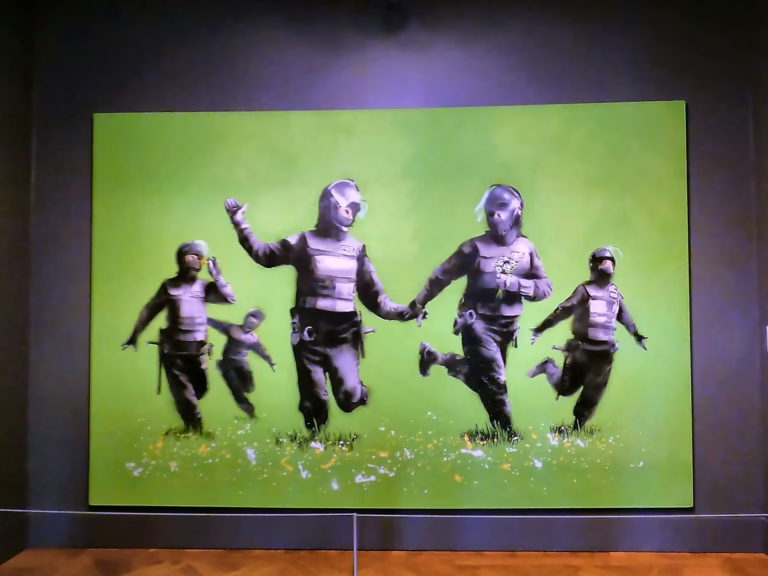
The Moco Museum gained international attention primarily through its extensive collection of works by Banksy. Although the museum is not officially affiliated with the artist, it displays an unauthorized collection of his street art, prints, and indoor paintings. This includes famous pieces such as “Beanfield” and “Girl with Balloon.” The museum’s approach centers on exhibiting “iconic” pieces from the street art movement, bringing them into a formal gallery setting to analyze their cultural impact and political messaging.
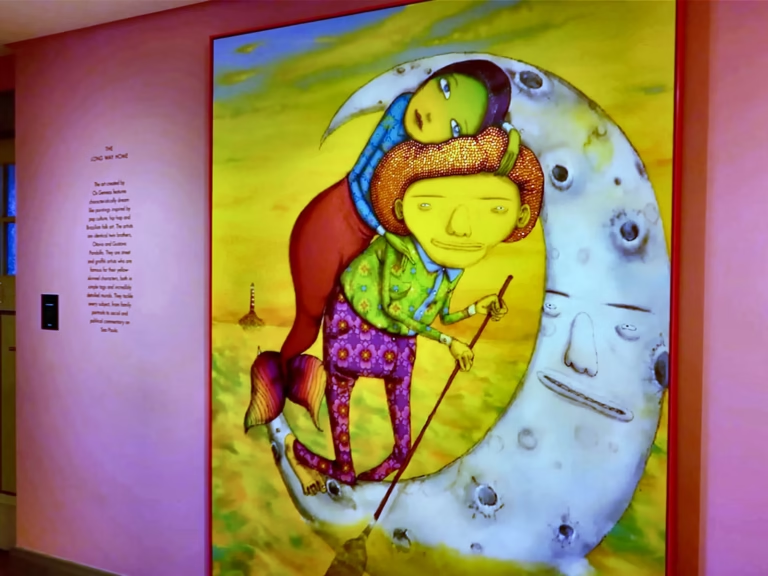
Beyond Banksy, the permanent collection includes works by several influential figures in modern art. This includes Jean-Michel Basquiat, Keith Haring, and Jeff Koons. The museum also features a significant number of works by KAWS, a contemporary artist known for his “Companion” characters. These pieces are often rotated to ensure that repeat visitors have the opportunity to see different facets of the collection. The museum’s focus is largely on “Pop Art” and “Street Art” subcultures, which resonate with a younger demographic of museum-goers.
Tip: The Moco Museum is located at the exact street address of Honthorststraat 20, 1071 DE Amsterdam.
Moco Museum: A Virtual Tour
Digital Art and Immersive Installations
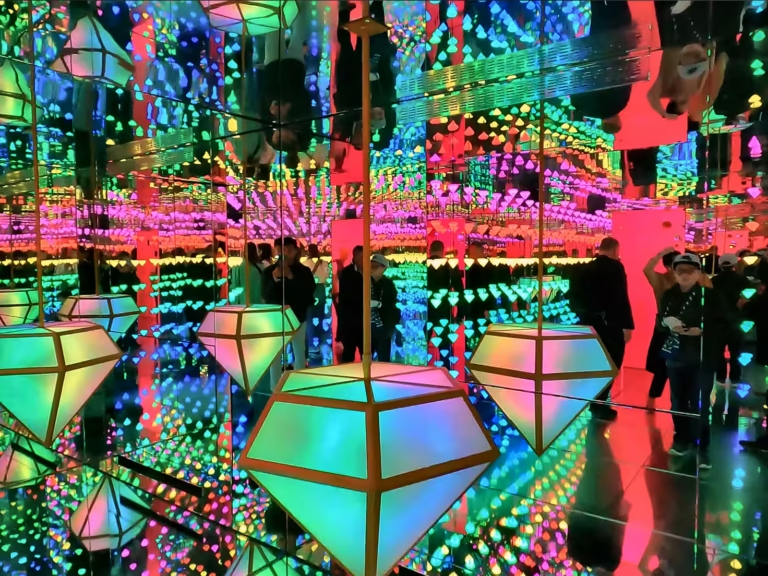
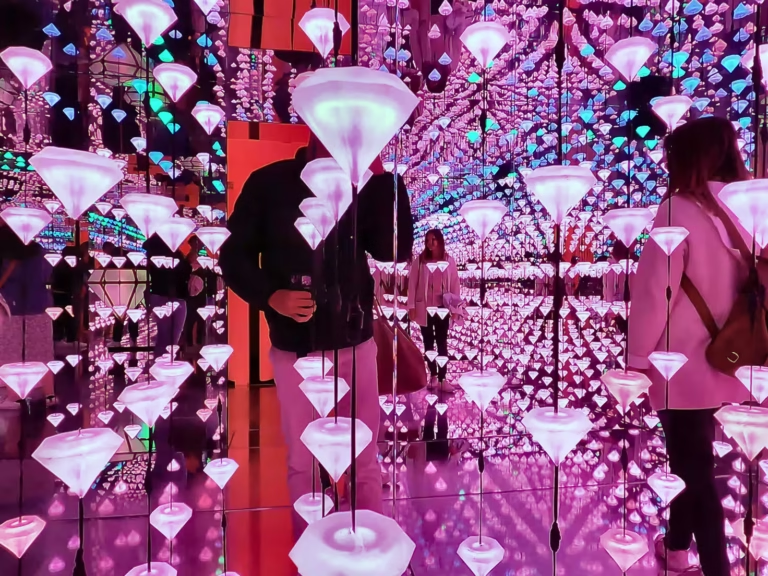
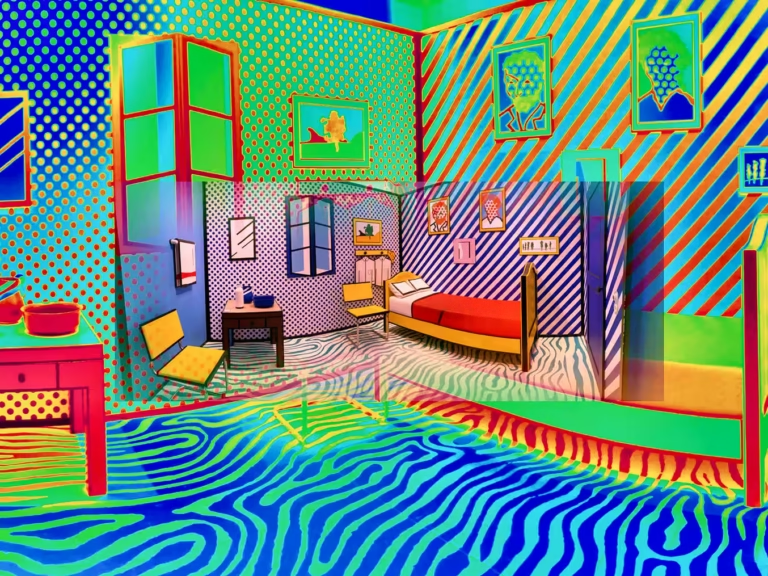
A significant portion of the Moco Museum is dedicated to digital and immersive art. The “Moco Masters” floor often transitions into spaces featuring light installations and digital projections. One of the most permanent and popular features is the work of Studio IRMA, which creates immersive rooms using mirrors and LED lights. These installations are designed to involve the viewer in the artwork, using motion sensors and reflective surfaces to create an infinite sense of space and color.
The inclusion of digital art reflects the museum’s commitment to documenting the evolution of art in the 21st century. This includes explorations into NFTs (Non-Fungible Tokens) and blockchain-based art. The Moco Museum was one of the first physical museums in Europe to dedicate a permanent space to the exhibition of digital assets and crypto-art. This section of the museum provides factual information on how digital technology is changing the ownership and display of creative works in the modern era.
(the post will continue after this block)
Amsterdam Top 10 MUST SEE!
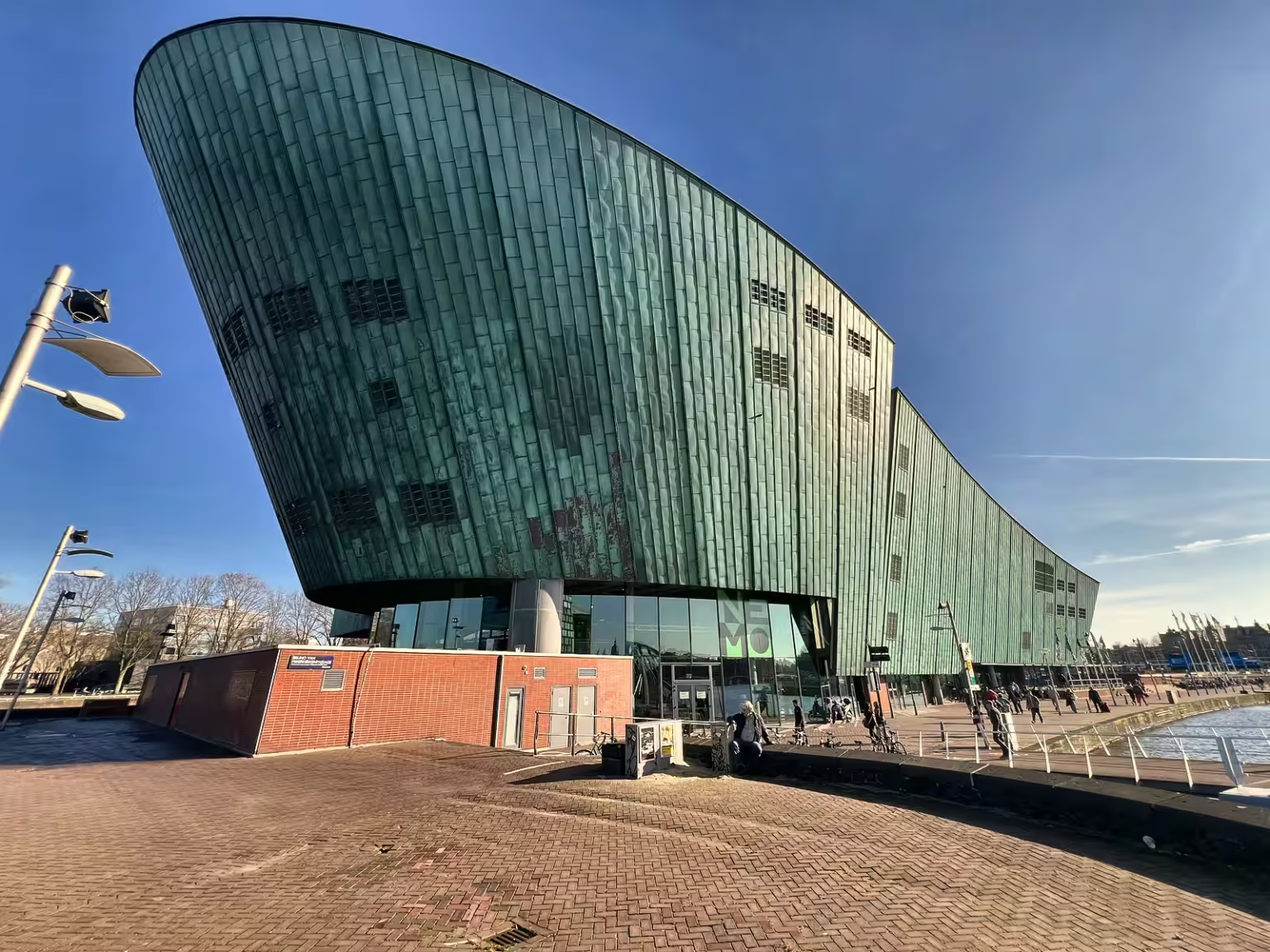
1. NEMO SCIENCE MUSEUM
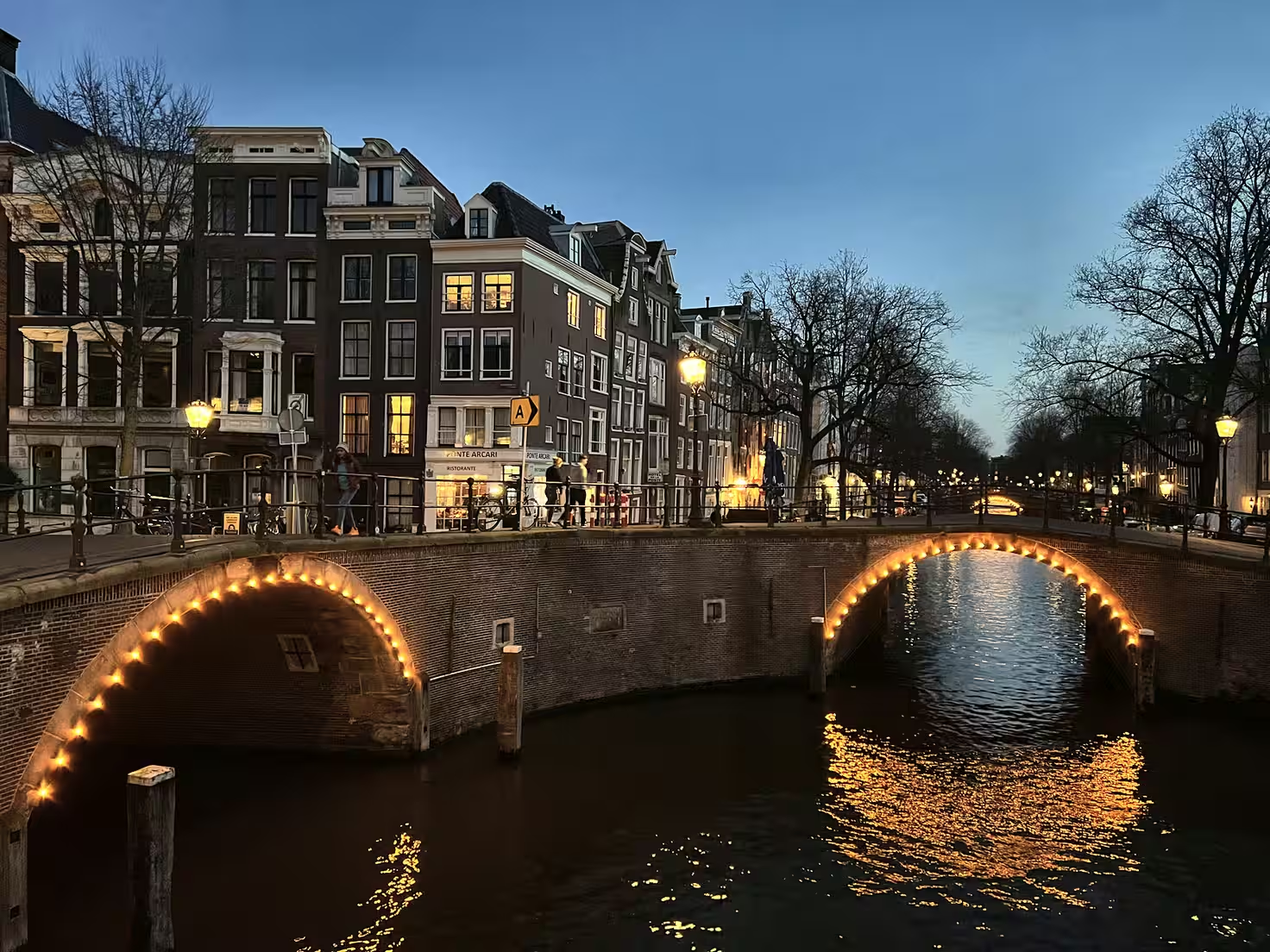
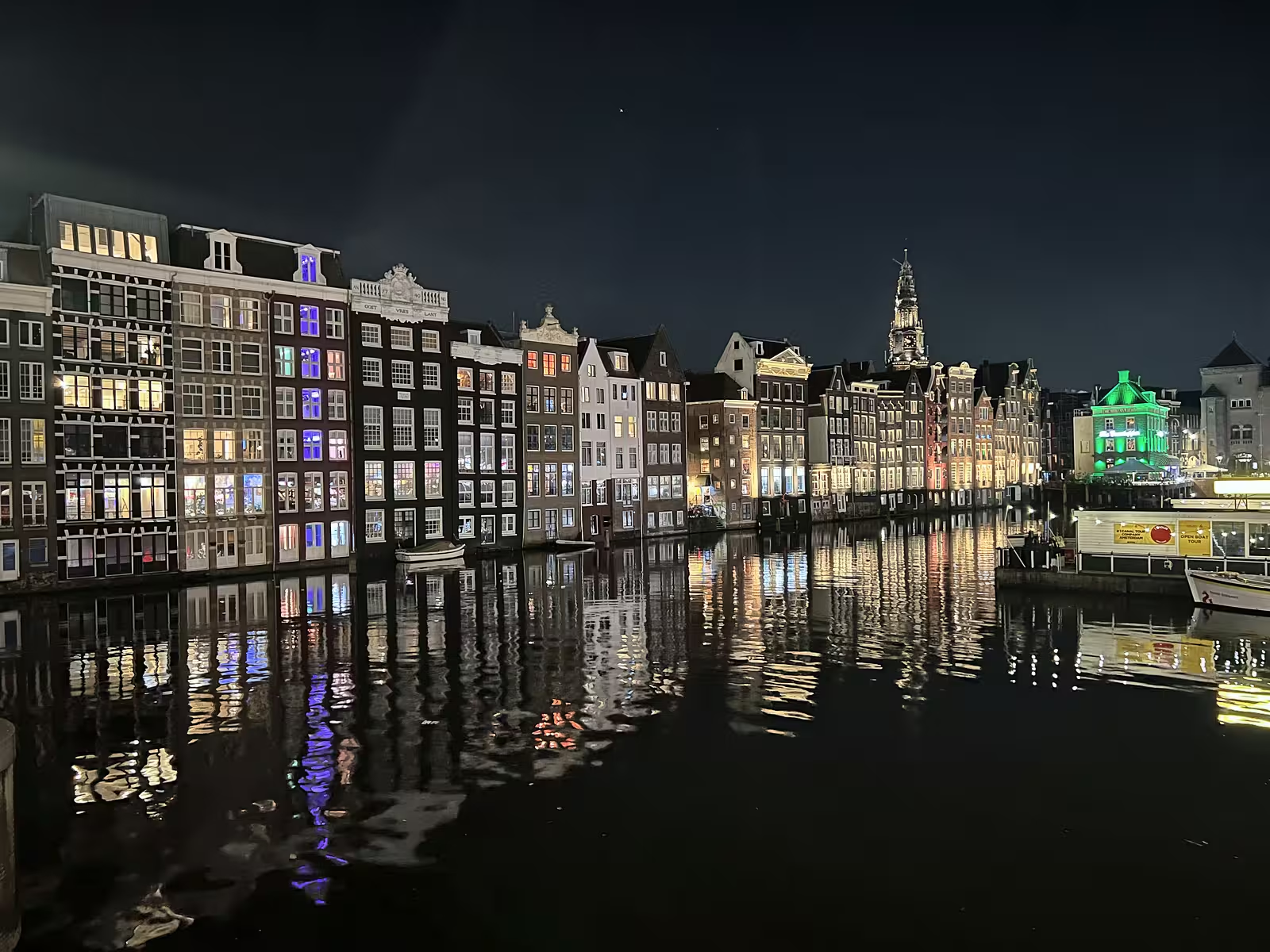
2. CANALS AMSTERDAM
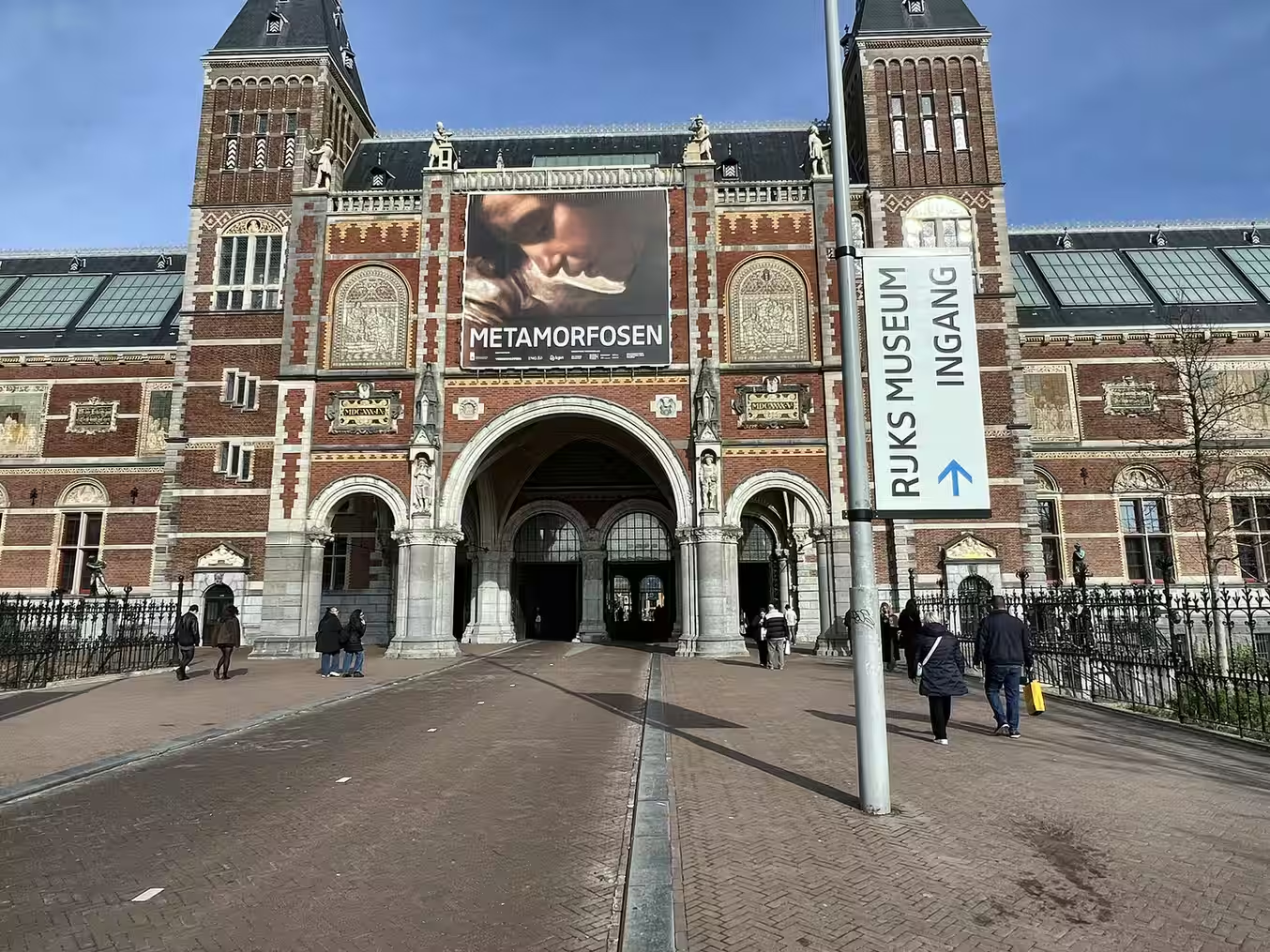
3. RIJKSMUSEUM
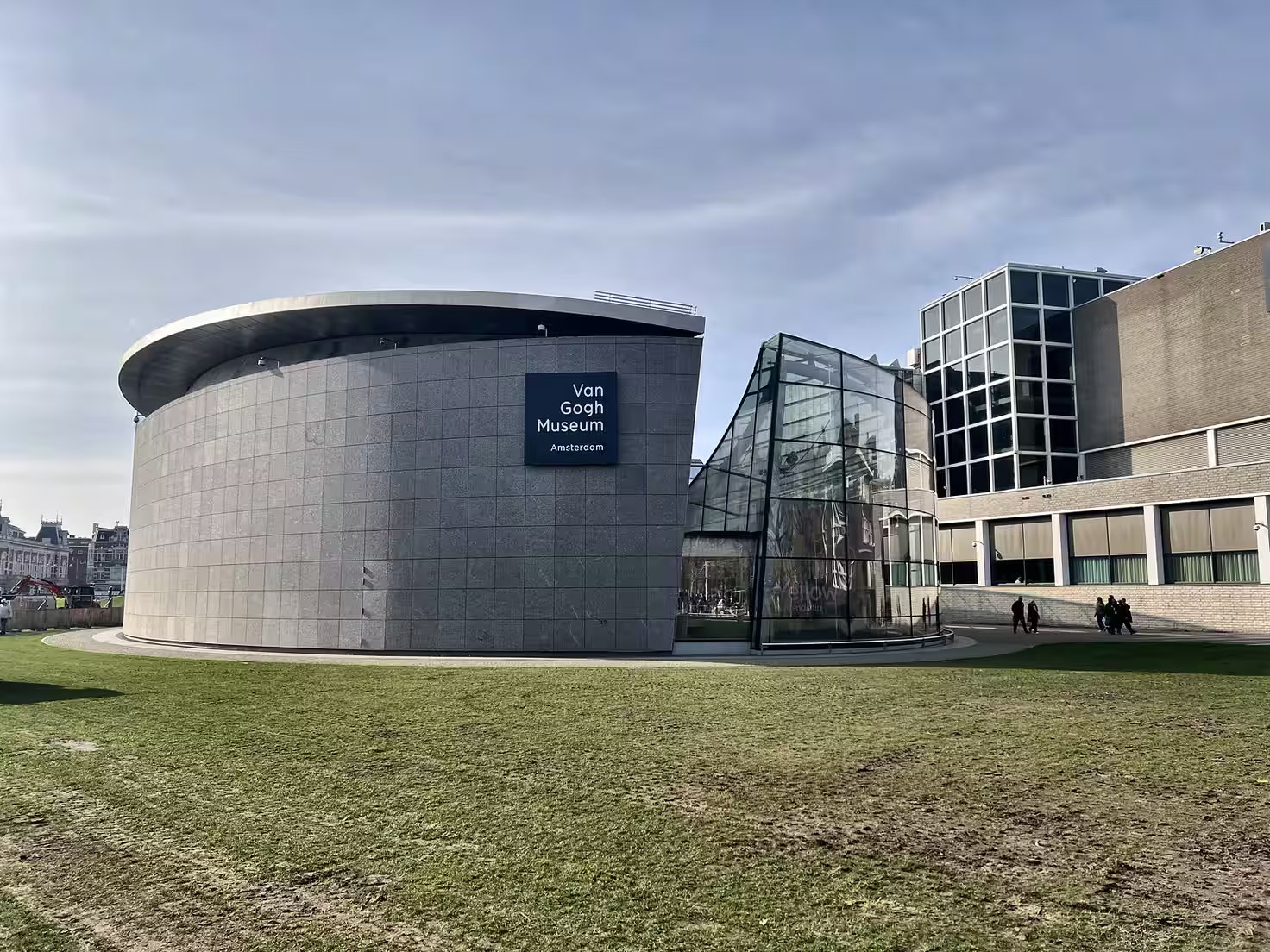
4. VAN GOGH MUSEUM
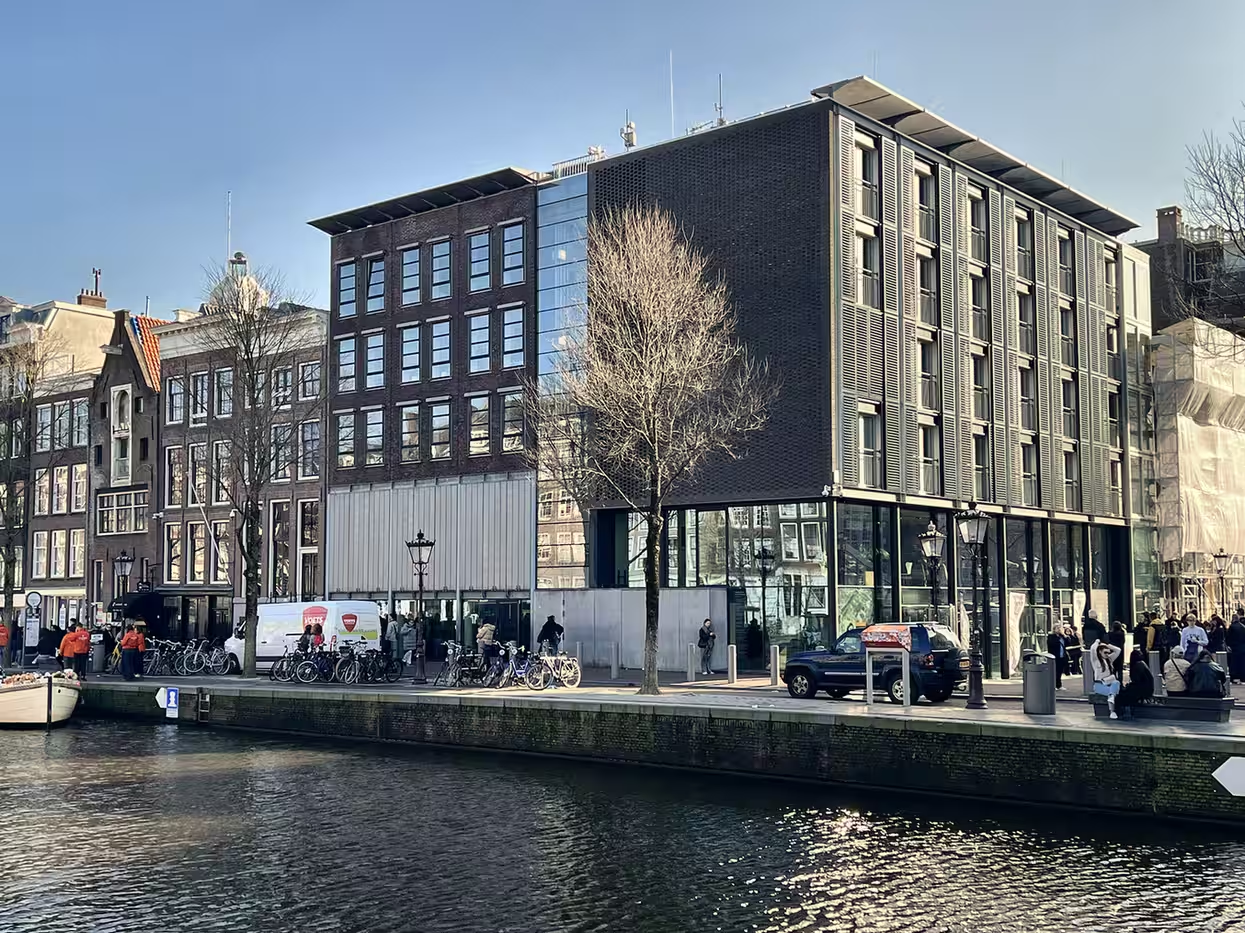
5. ANNE FRANK HOUSE
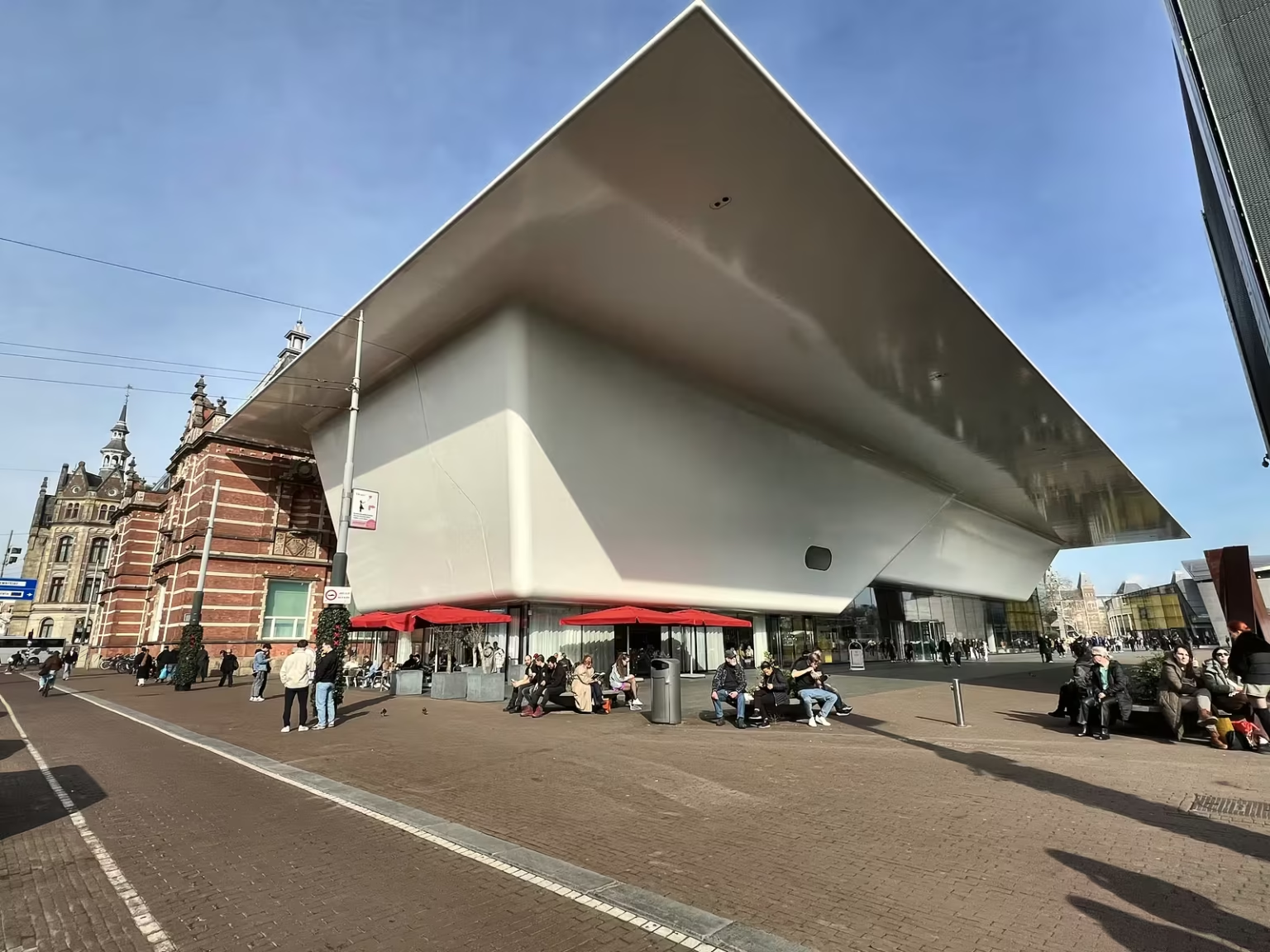
6. STEDELIJK MUSEUM
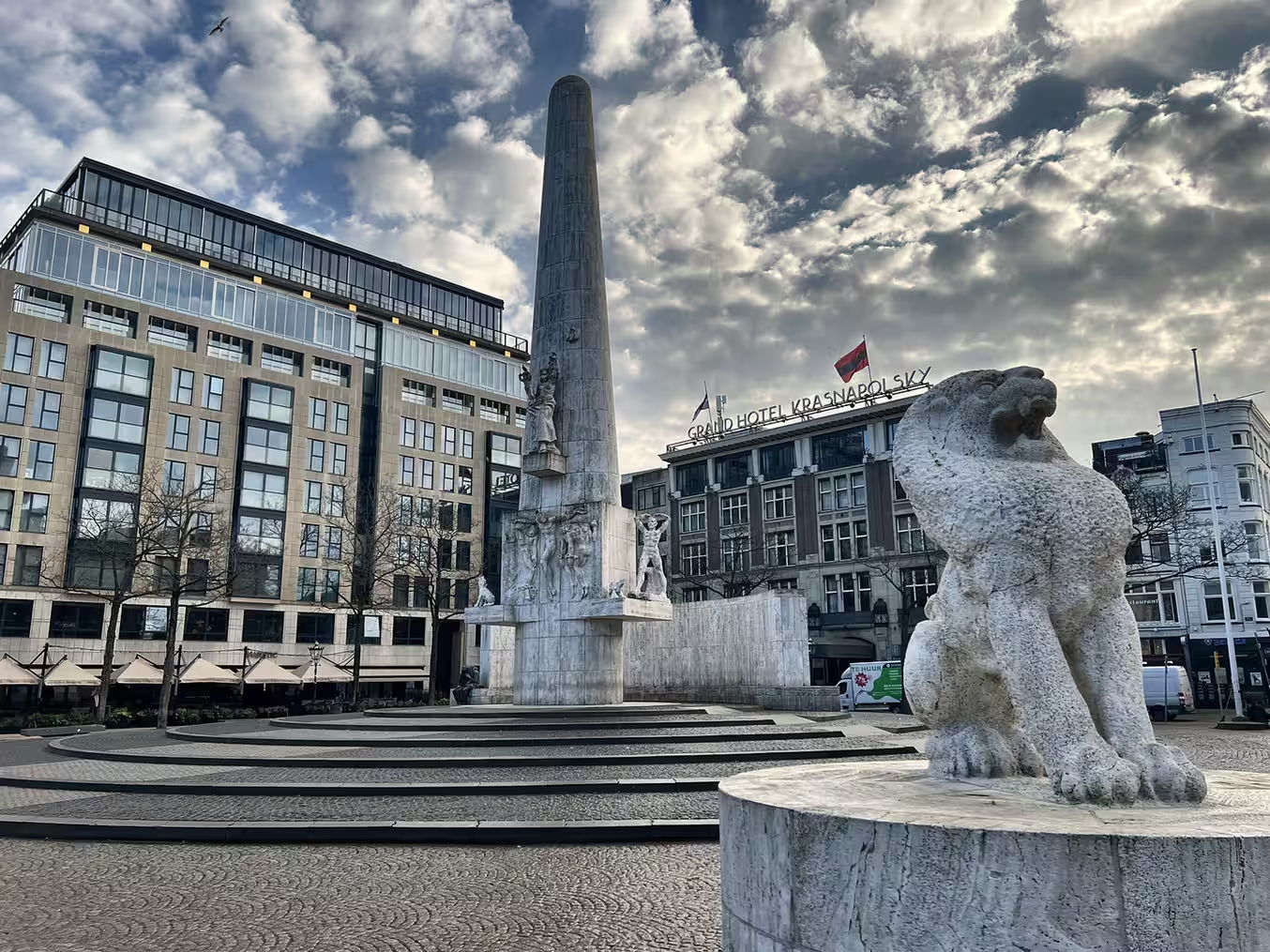
7. DAM SQUARE
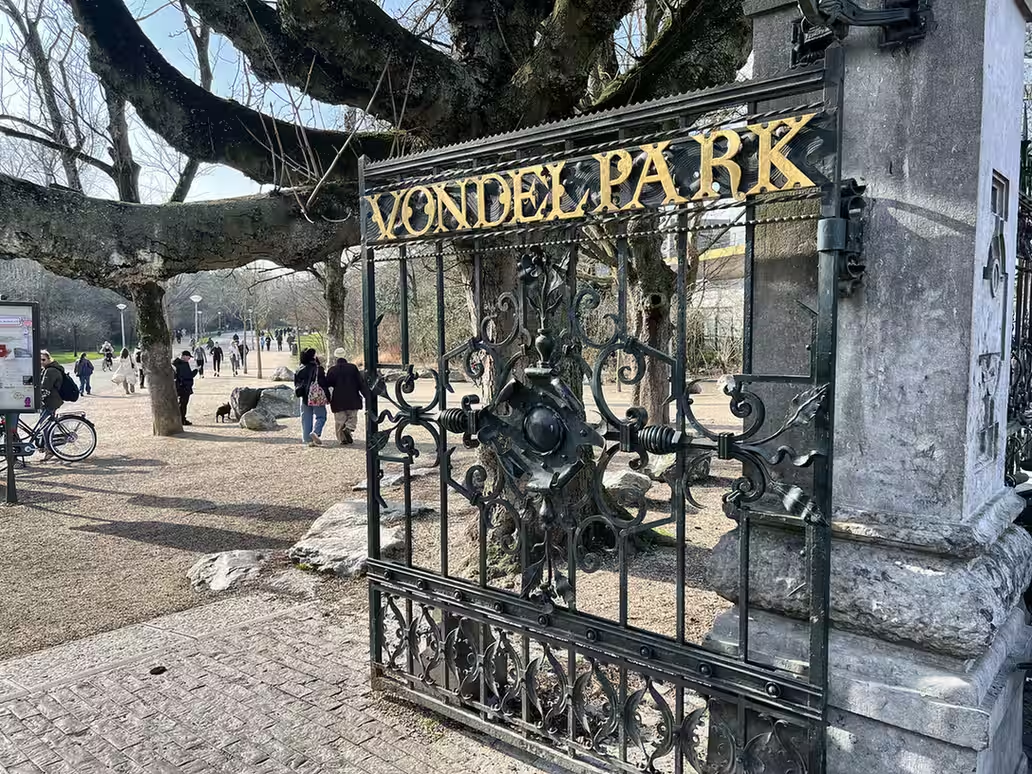
8. VONDELPARK
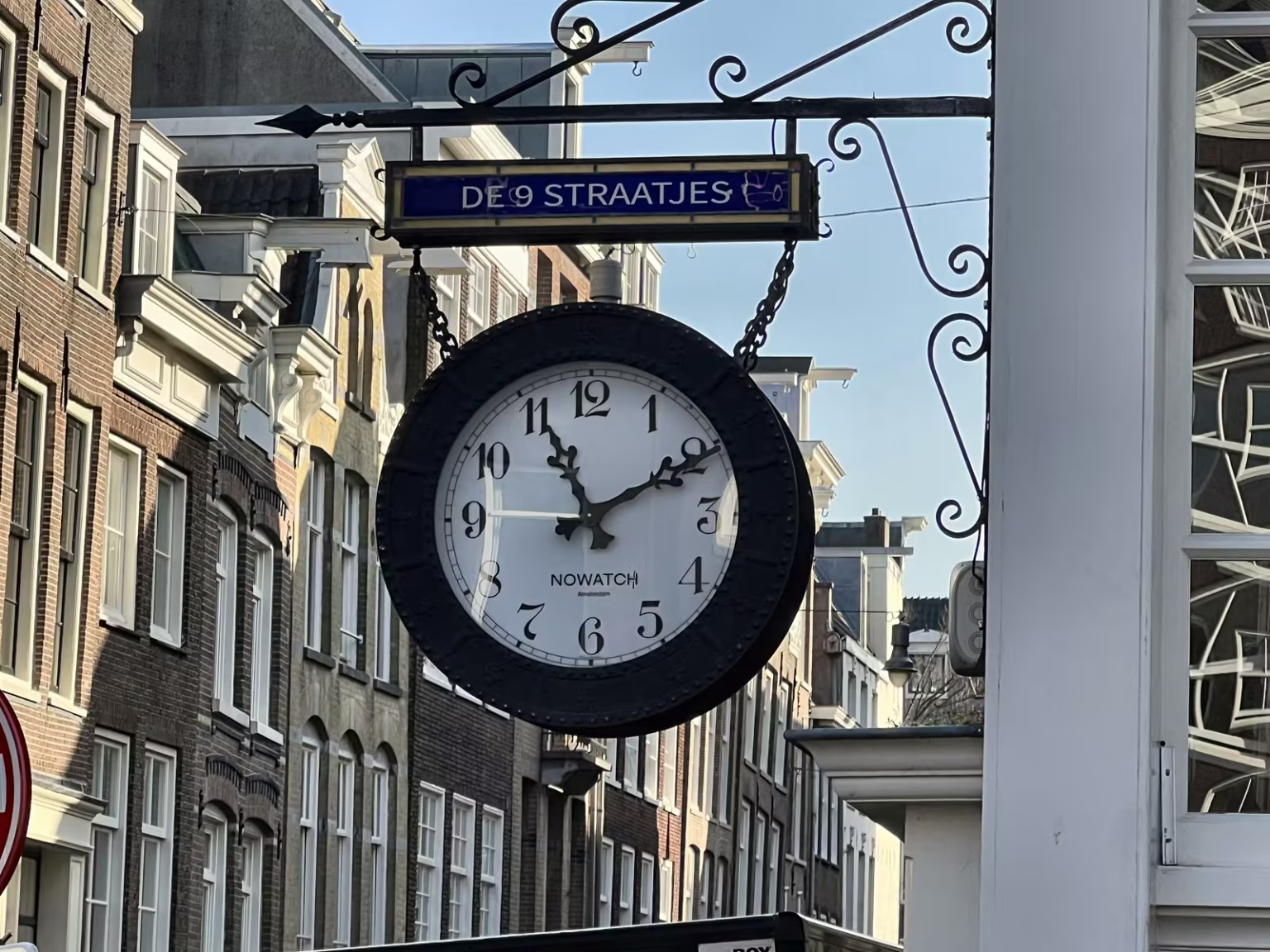
9. DE NEGEN STRAATJES
10. OOSTERPARK
The Moco Garden and Outdoor Exhibits
The exterior of the Moco Museum features a garden space that serves as an extension of the indoor galleries. The Moco Garden is accessible to museum ticket holders and features a rotating selection of large-scale sculptures. Notable pieces that have been exhibited in the garden include works by Marcel Wanders, Salvador Dalí, and Kaws. These sculptures are placed throughout the villa’s grounds, allowing visitors to view the art against the backdrop of the Museumplein.
The garden also functions as an entry point for the museum’s philosophy of “art in the public eye.” Many of the pieces in the garden are specifically selected for their interactive nature, encouraging visitors to walk around and engage with the sculptures. The outdoor exhibition space is maintained to the same standard as the interior galleries, with information plaques providing historical and technical data for each piece. This area provides a transitional space between the busy public square and the private galleries of the museum.
Tip: The Moco Museum is open daily from 09:00 until 21:00 on Fridays, Saturdays, and Sundays.
Global Expansion: Barcelona and London
Following the success of the Amsterdam location, the Moco Museum has expanded its operations to other major European cities. In 2021, a second location was opened in Barcelona, Spain. This museum is housed in the Cervelló Palace, a historic building that dates back to the 16th century, continuing the museum’s tradition of placing contemporary art in historic architectural settings. The Barcelona branch features a similar mix of street art and modern masters, tailored to the local Spanish art market.
In 2024, the museum opened its third location in London, situated at Marble Arch. This expansion marks the museum’s entry into the UK art scene, occupying a large modern space that allows for even larger installations than the Amsterdam villa. The global growth of the Moco brand demonstrates the high demand for contemporary art experiences that bridge the gap between street culture and fine art. Each location maintains the core identity of the museum while adapting to the unique architectural and cultural characteristics of its host city.
Moco Museum Amsterdam: art, building and visitor guide
Moco Museum Amsterdam presents contemporary and digital art in a townhouse near Museumplein. Its setting is quite different from the neighbouring Rijksmuseum and Van Gogh Museum. This guide covers the building, art and practical details to check before visiting.
Practical Visitor Information and Logistics
The Moco Museum in Amsterdam is open daily. Standard opening hours are from 09:00 to 19:00 from Monday to Thursday, with extended hours until 21:00 on Friday, Saturday, and Sunday. Due to the limited capacity of Villa Alsberg, the museum operates with timed entry slots. It is a verifiable fact that tickets purchased online in advance are often subject to a lower price compared to tickets bought at the entrance. The museum does not accept the National Museum Pass (Museumkaart), but it does offer discounts for students and I amsterdam City Card holders.
The museum is located within walking distance of several major transport links. Tram lines 2, 5, and 12 stop at the Museumplein or Rijksmuseum stations, both of which are less than 5 minutes from the entrance. The museum is equipped with a small shop on the ground floor, selling art books and merchandise related to the featured artists. Because the building is a historic villa with narrow staircases, accessibility for wheelchair users is limited to the ground floor and the garden; however, the museum provides digital alternatives to view the upper-floor exhibits for those with mobility issues.
Take a virtual tour with Google Streetview!
Frequently Asked Questions (FAQ)
Is the Moco Museum included in the Museumkaart?
No, the Moco Museum is a private institution and is not part of the Dutch National Museum Pass (Museumkaart) program.
How long does it take to see the Moco Museum?
A typical visit to the museum takes between 1 and 1.5 hours, depending on the time spent in the immersive digital sections.
Can I take photos inside the museum?
Yes, photography without flash is permitted throughout the galleries and the garden for personal use.
Where can I buy tickets for the Moco Museum?
Tickets are available on the official Moco Museum website or at the ticket desk at Honthorststraat 20.
Is there a cloakroom at the museum?
The museum has limited storage space for small bags; large suitcases and backpacks are not permitted inside due to the narrow hallways.

Leave a Reply