
For centuries, the relationship between the Netherlands and the archipelago now known as Indonesia has influenced Dutch society, particularly in the realm of food. Indonesian cuisine is not merely an imported food category in Amsterdam; it is an intrinsic part of the city’s identity. From high-end dining establishments serving elaborate rice tables to local take-away shops known as tokos, the availability of dishes like rendang and satay is widespread. Understanding the historical context of the colonial era helps explain why Amsterdam is arguably the best place in Europe to explore these specific flavor profiles. This guide provides an overview of the history, the dishes, and the restaurants that define the landscape of Indonesian cuisine in the Dutch capital.
In this blog:
Historical Roots of the Dutch-Indonesian Connection
The presence of Indonesian cuisine in Amsterdam is a direct result of the colonial history spanning over three centuries. The Dutch East India Company (VOC) established a monopoly on the spice trade in the 17th century, bringing ingredients like nutmeg, cloves, and cinnamon to the Netherlands. However, the widespread integration of Indonesian food culture occurred primarily after the independence of Indonesia. Following the transfer of sovereignty in 1949, a significant migration wave of Dutch nationals, Indo-Europeans, and Moluccans arrived in the Netherlands.
These communities brought their culinary traditions, recipes, and spices with them. Initially, they adapted recipes to available Dutch ingredients, but as import channels improved, the authenticity of the dishes increased. In the 1950s and 1960s, the first Indonesian restaurants began to appear, catering initially to the repatriated community and later to the broader Dutch public. Today, the influence is visible in the availability of ingredients like
How to get there?
Plan my journey


The Cultural Phenomenon of the Rijsttafel
A central element of Indonesian cuisine in the Netherlands is the Rijsttafel (Rice Table). While the dishes served are Indonesian, the concept of the Rijsttafel itself is a colonial invention. During the colonial era in the Dutch East Indies, Dutch planters and officials would serve a vast array of dishes simultaneously to impress guests and showcase the abundance of locally sourced produce. This method of dining—rice accompanied by dozens of side dishes ranging from mild to extremely spicy—was brought to the Netherlands and became a staple of dining out.
The Rijsttafel allows diners to taste a wide variety of flavors, textures, and spice levels in a single sitting. It typically includes rice (white, yellow, or fried) surrounded by dishes such as vegetables in coconut milk (sayur lodeh), braised meats, egg dishes, and fermented soybean cakes (tempeh). The significance of this dining format is formally recognized in Dutch culture.
Tip: The tradition of the “Indische Rijsttafel” was officially included in the Inventory of Intangible Cultural Heritage in the Netherlands in 2016.
The best Indonesian Food in Amsterdam
Key Dishes in Indonesian Dining
When exploring Indonesian cuisine, you will encounter specific staple dishes that appear on nearly every menu. Rendang is perhaps the most globally recognized dish. Originating from the Minangkabau region in West Sumatra, it consists of beef slowly cooked in coconut milk and a mixture of lemongrass, galangal, garlic, turmeric, ginger, and chilies. The cooking process takes hours until the liquid has evaporated and the meat is caramelized and tender.
Other prominent dishes include Satay (or Sate), which are skewered and grilled meats, typically served with a peanut sauce. Gado-Gado is a warm vegetable salad served with a rich peanut dressing, often including boiled eggs and prawn crackers (kroepoek). Soto Ayam is a traditional yellow chicken soup with vermicelli and turmeric. These dishes form the foundation of most a la carte menus and Rijsttafels in Amsterdam.
(the post will continue after this block)
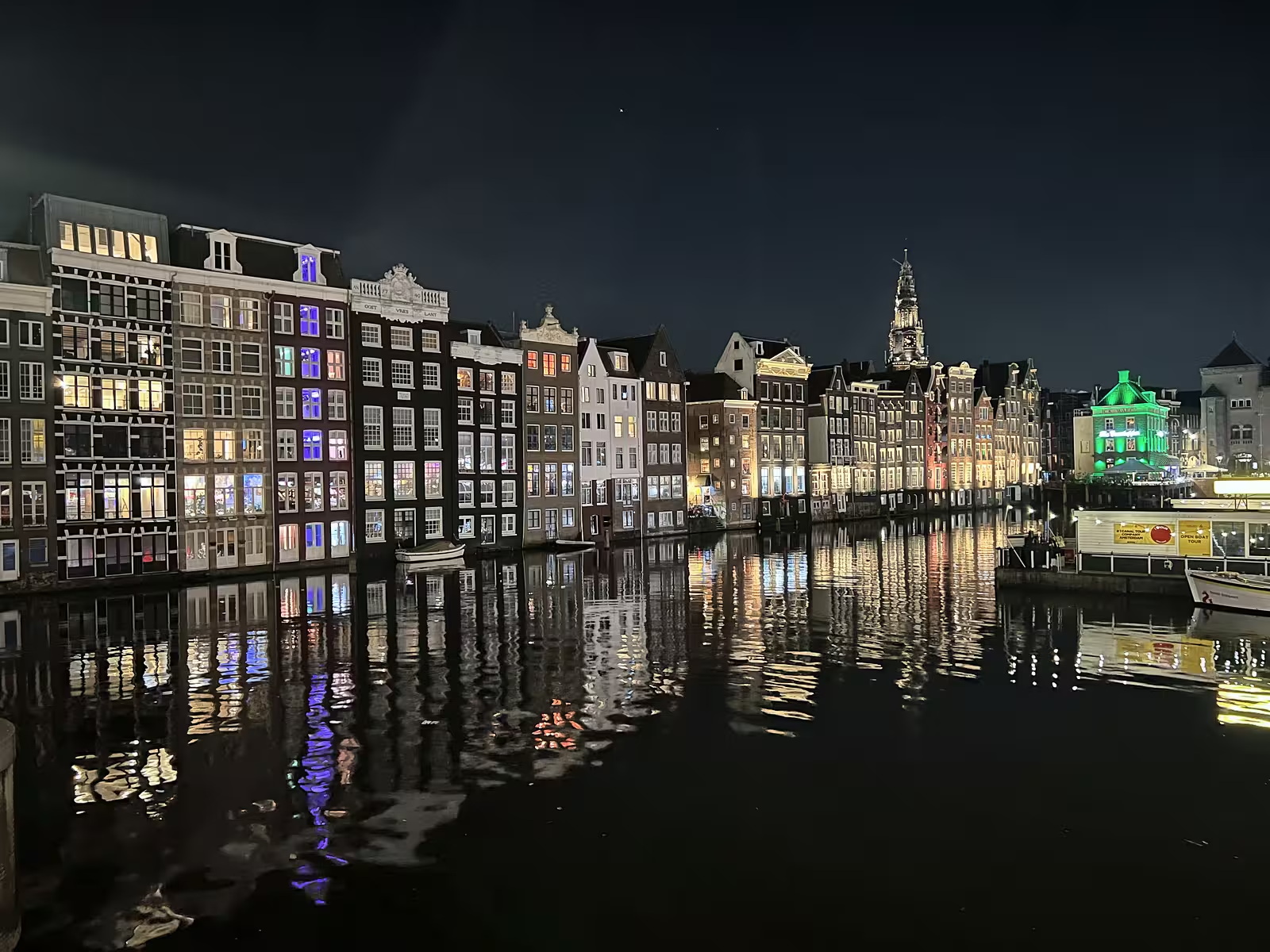
Amsterdam Top 10 MUST SEE!
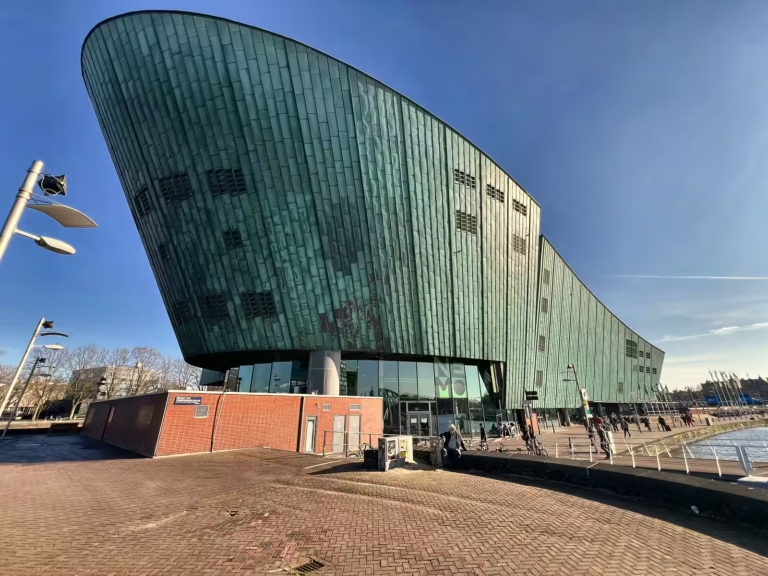
1. NEMO SCIENCE MUSEUM
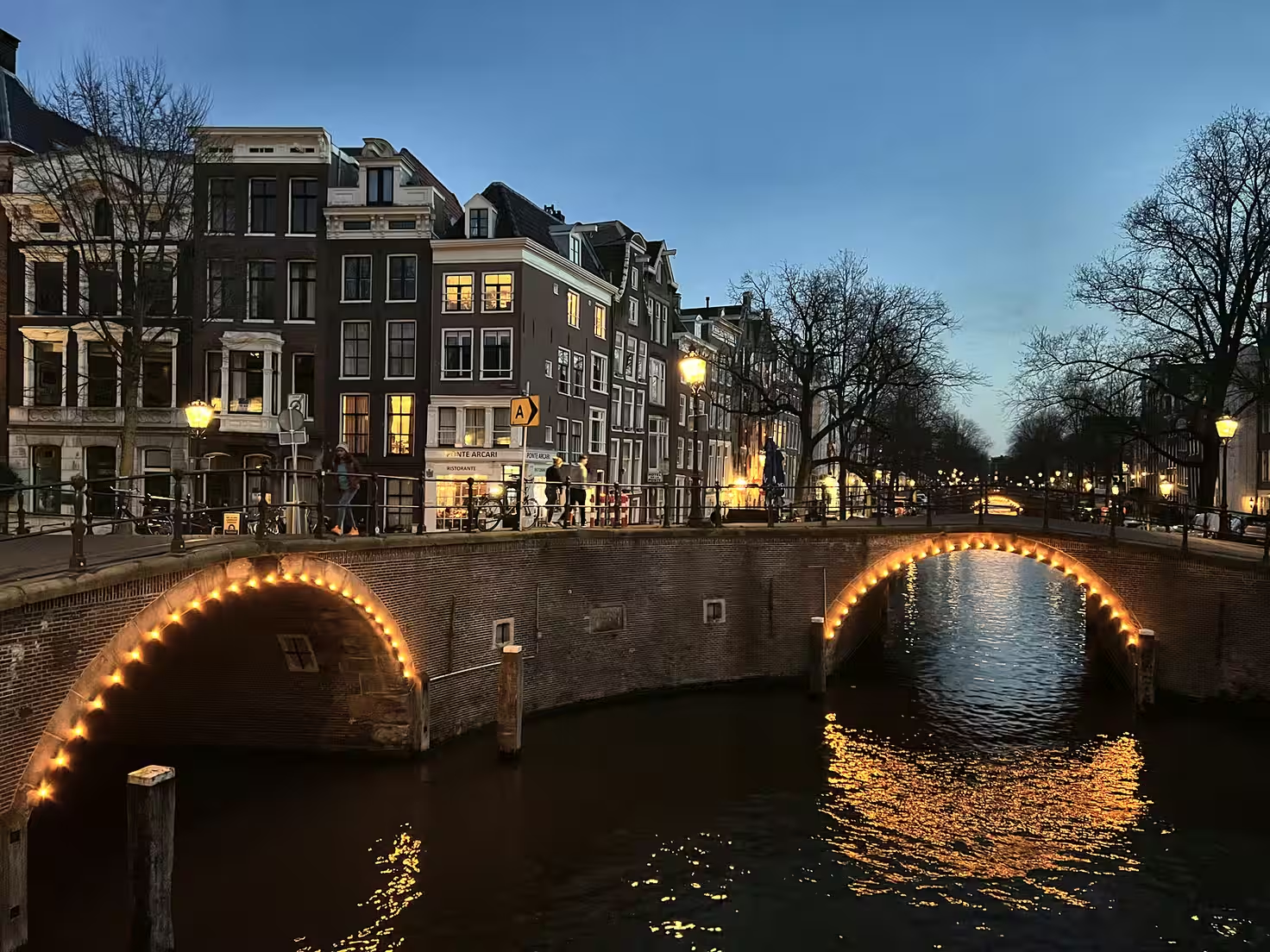
2. CANALS AMSTERDAM
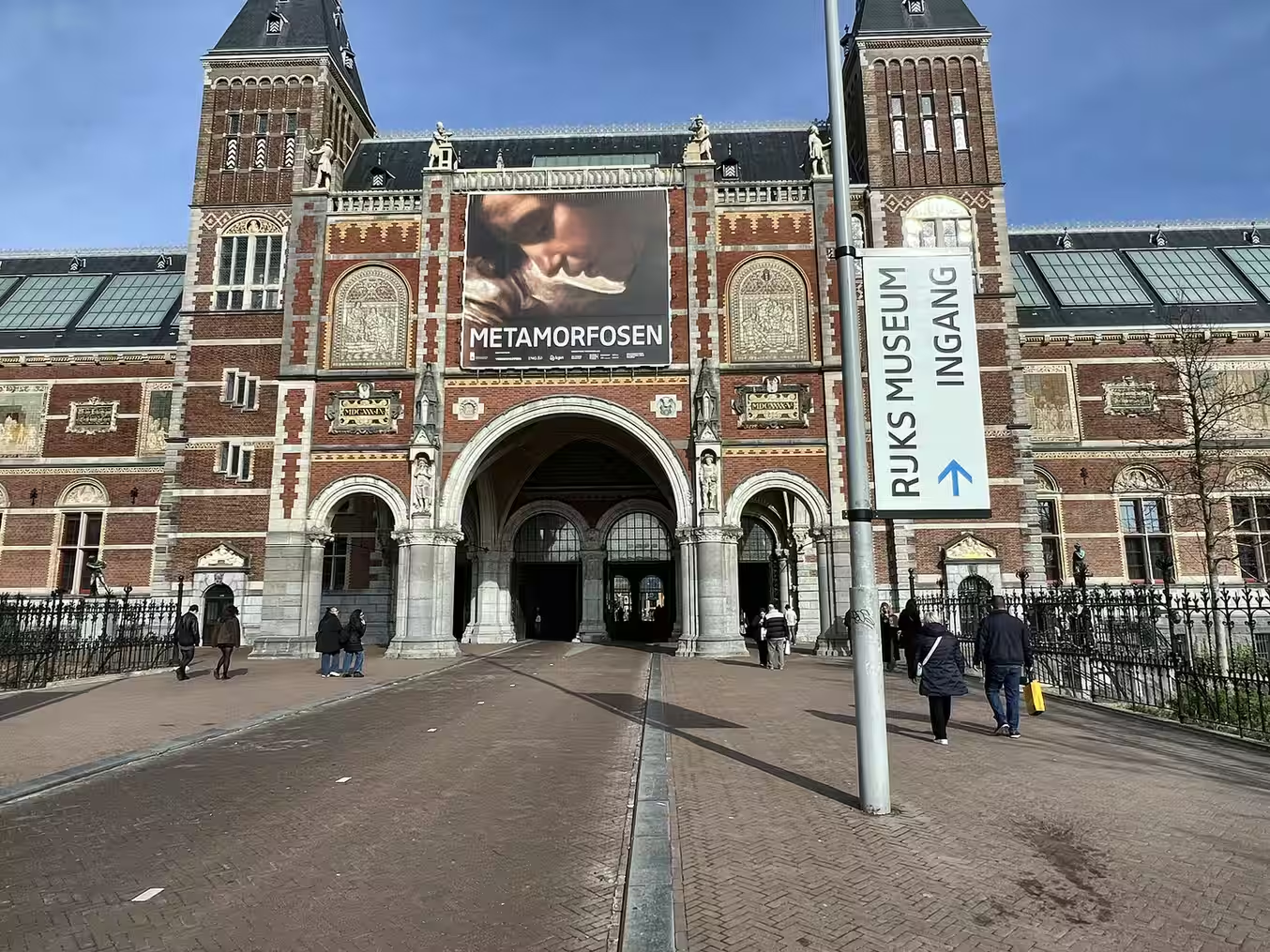
3. RIJKSMUSEUM
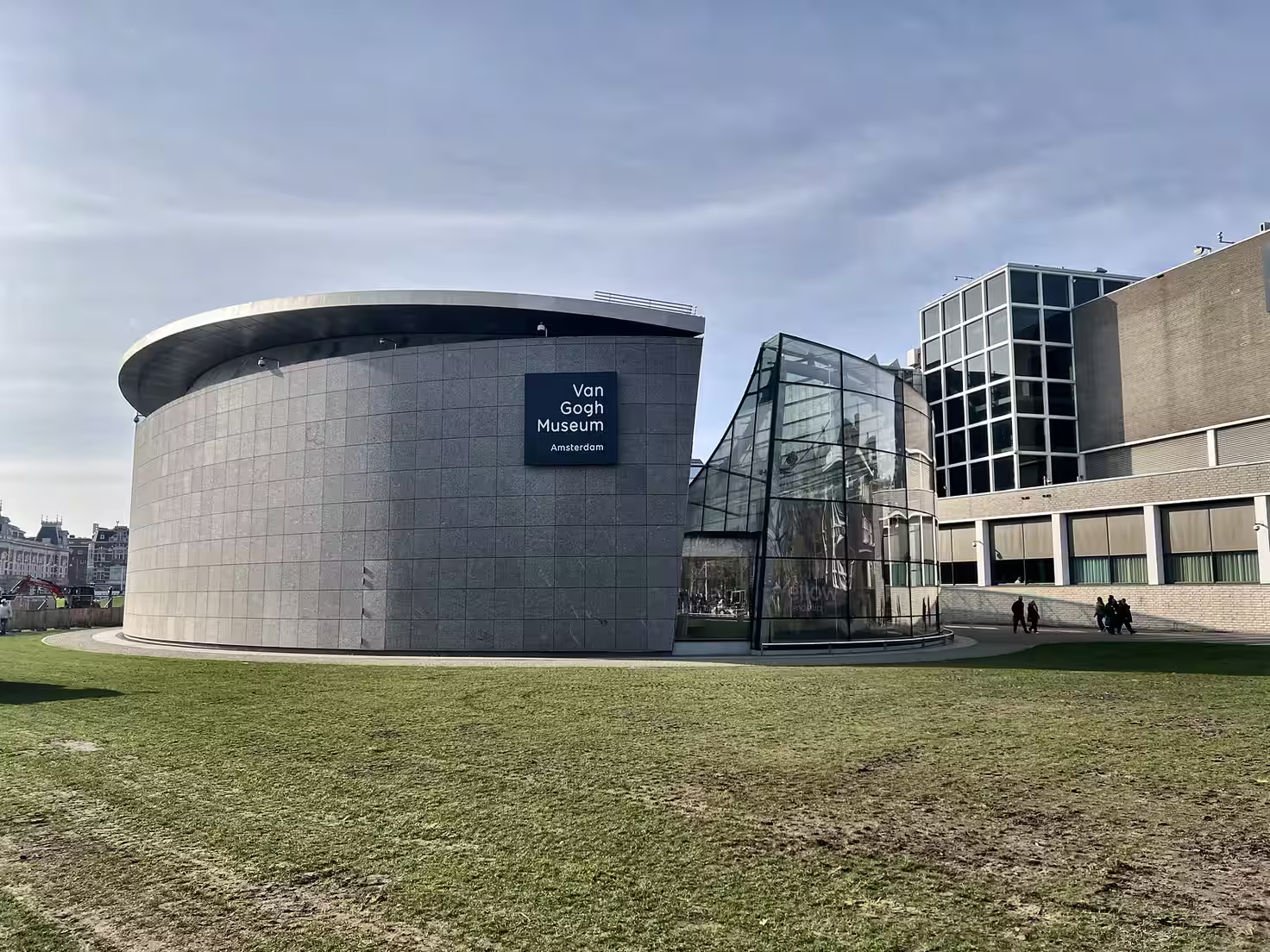
4. VAN GOGH MUSEUM
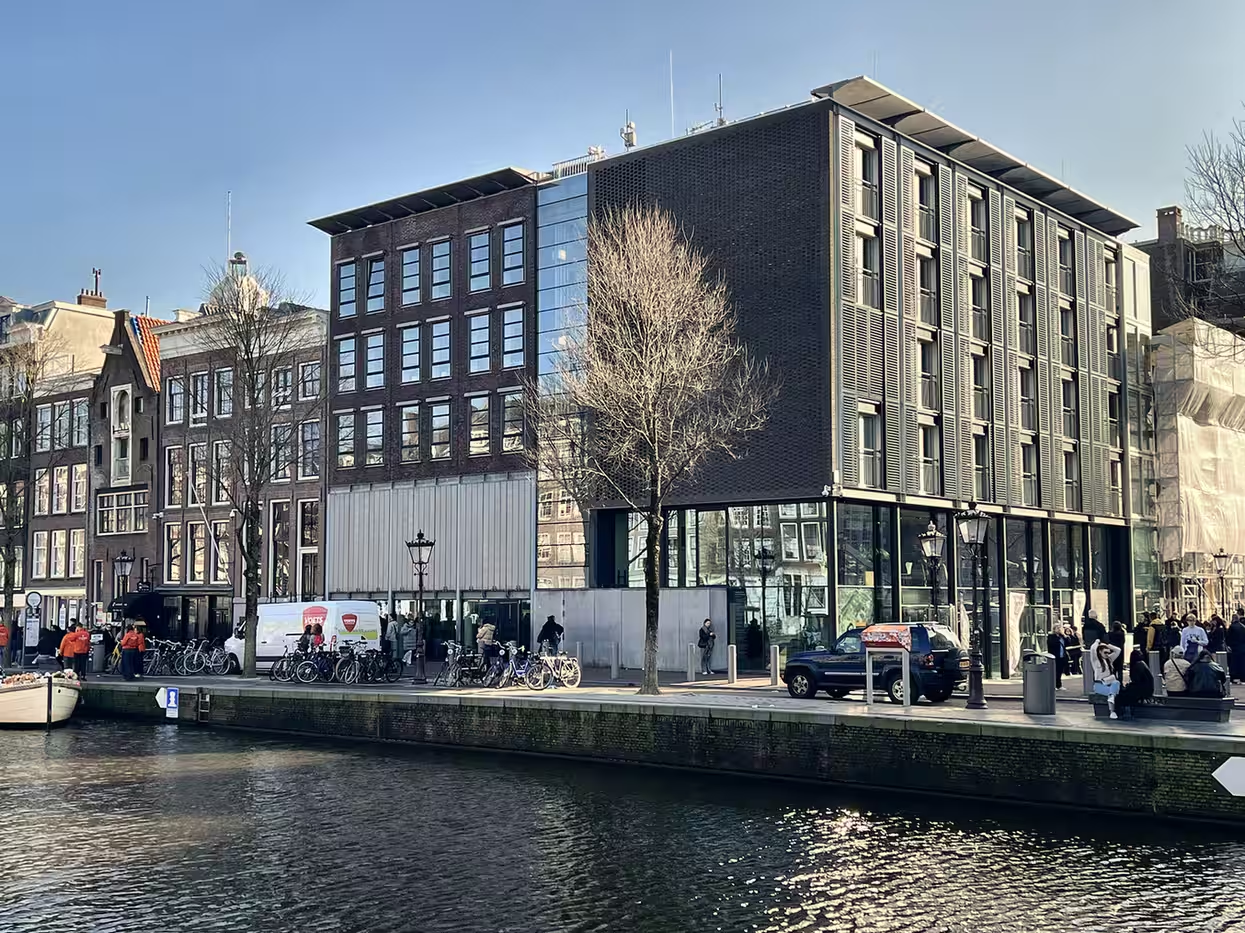
5. ANNE FRANK HOUSE
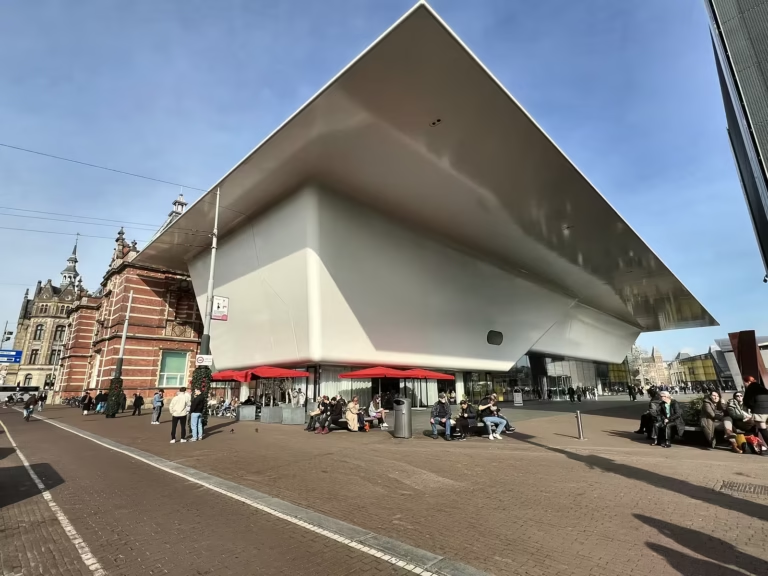
6. STEDELIJK MUSEUM
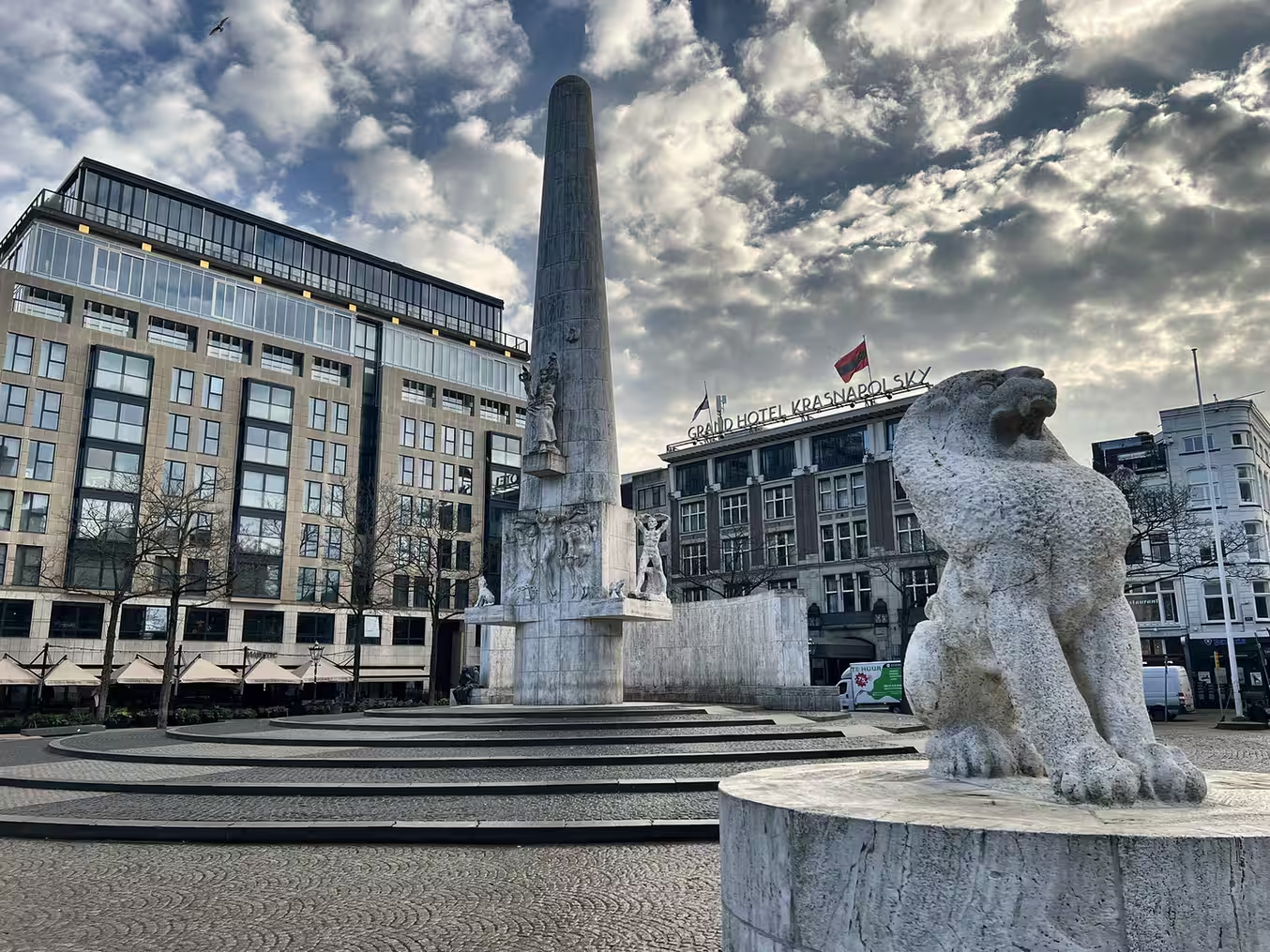
7. DAM SQUARE
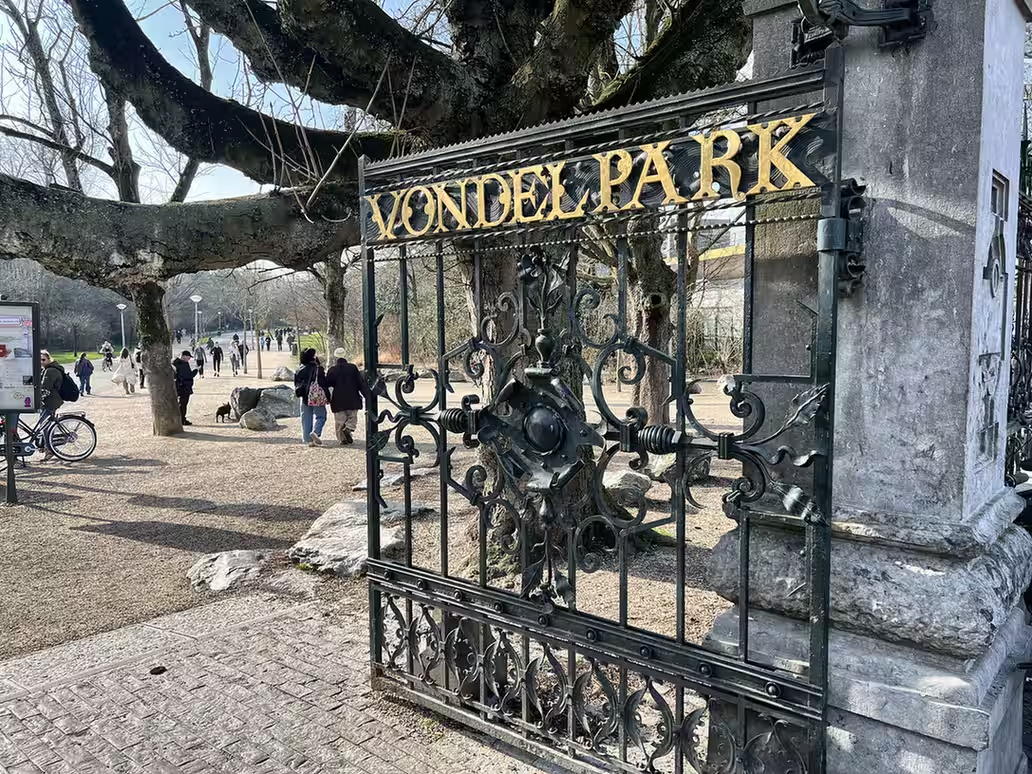
8. VONDELPARK
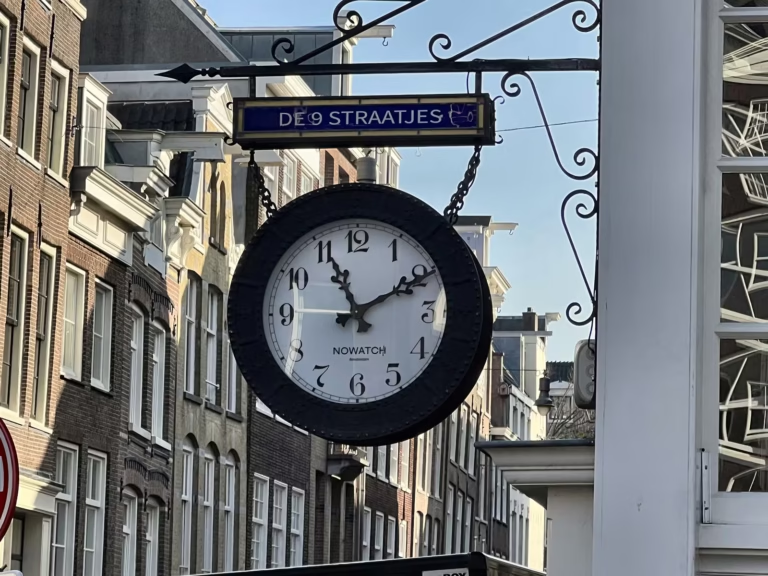
9. DE NEGEN STRAATJES
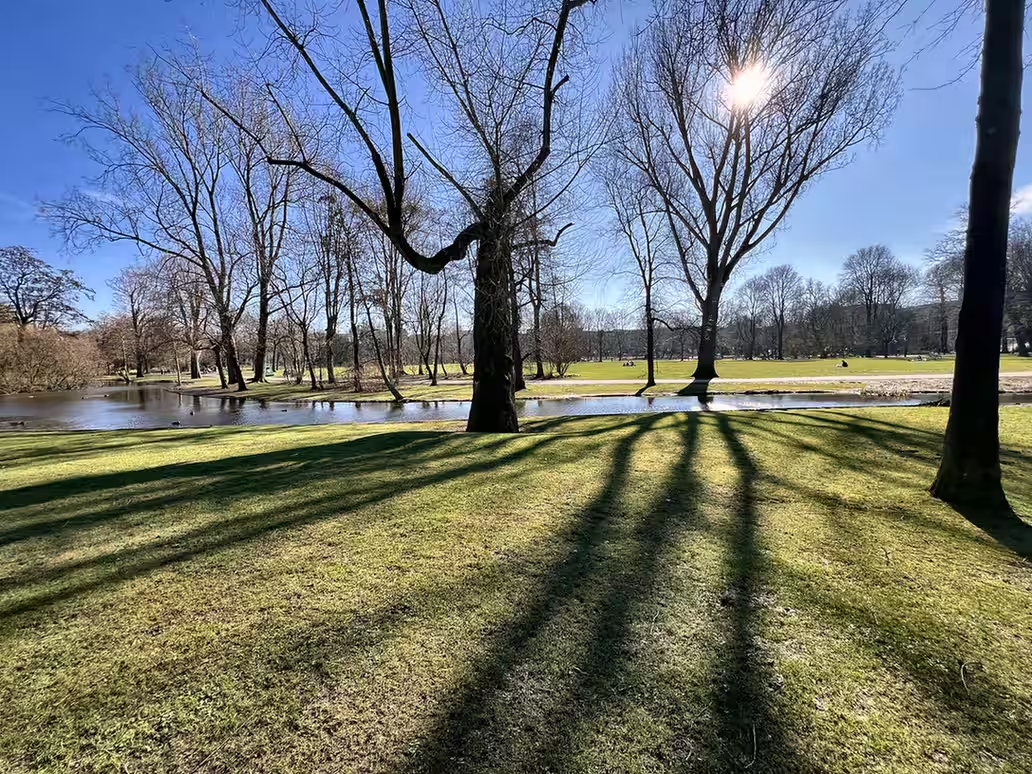
10. OOSTERPARK
Sama Sebo: Bodega and Tradition
Located near the Rijksmuseum and the P.C. Hooftstraat, Sama Sebo is one of the oldest Indonesian restaurants in Amsterdam. Established in 1967, the interior reflects a traditional atmosphere, distinguishing itself from modern fusion concepts. The restaurant operates with a clear division: a lunch bodega for quicker meals and a dining section for the full Rijsttafel experience.
Sama Sebo maintains a reputation for consistency. The menu adheres to classic preparation methods without significant alterations to fit modern trends. It serves as a reference point for what Indonesian cuisine looked like when it first became popularized in the Netherlands in the mid-20th century. Due to its location near major museums, it is frequently visited by tourists, yet it retains a loyal local clientele.
Tip: Sama Sebo is located at P.C. Hooftstraat 27, situated exactly 350 meters from the main entrance of the Rijksmuseum.


How to get there:
Kantjil & De Tijger: A City Center Staple
For visitors in the city center, Kantjil & De Tijger on the Spuistraat is a notable establishment. Since opening its doors, it has become one of the larger venues for Indonesian cuisine in Amsterdam. The restaurant is known for its accessibility and bustling atmosphere, catering to large groups and casual diners. The interior departs from the traditional colonial aesthetic, opting for a more industrial and neon-lit design.
The menu at Kantjil offers both Rijsttafels and an extensive selection of separate dishes. It is particularly known for its Nasi Rames, a plate serving of rice with a selection of side dishes, which serves as a miniature version of the Rijsttafel. The restaurant also operates a “Kantjil To Go” next door, emphasizing the demand for Indonesian food as a quick meal option in the busy commercial district.
Tip: The main restaurant of Kantjil & De Tijger is established at Spuistraat 291-293.
How to get there:
Restaurant Blauw: Modern Presentation
Restaurant Blauw, located on the Amstelveenseweg near Vondelpark, approaches Indonesian cuisine with a focus on modern culinary presentation. While the flavors remain authentic to Indonesian roots, the plating and service style differ from the classic “brown café” style of older establishments. Blauw is often cited in guides for its high-quality ingredients and contemporary setting.
The restaurant is renowned for its extensive Rijsttafel, often photographed for its colorful presentation in specifically designed ceramic bowls. Blauw places a strong emphasis on the freshness of spices and house-made sambals. It holds a Bib Gourmand recognition from Michelin, indicating a good value-for-money ratio. The location is slightly outside the canal ring, necessitating travel by tram or bicycle for those staying in the center.
Tip: Restaurant Blauw is located at Amstelveenseweg 158-160, near the Vondelpark boundary.
How to get there:
The Role of the Toko
Beyond sit-down restaurants, the Toko plays a vital role in the distribution of Indonesian cuisine. A Toko is a shop that sells Asian ingredients and ready-to-eat meals for takeaway. These establishments are crucial for local residents who purchase ingredients to cook Indonesian food at home or buy fresh meals.
Tokos such as Toko Kok Kita or Toko Joyce offer a different experience than restaurants. Here, food is displayed in a glass counter, and customers select specific items to fill a container, priced by weight or by item. This format allows for a quick and affordable way to sample dishes like Daging Smoor (sweet soy beef) or Sayur Lodeh (vegetables in coconut milk) without the time commitment of a full Rijsttafel.

Indonesian cuisine Amsterdam for a unique food experience
Amsterdam offers a distinct culinary landscape shaped by the historical connection between the Netherlands and the Dutch East Indies. This blog explores the origins of this gastronomic integration, explains the concept of the Rijsttafel, and identifies established locations where you can experience authentic flavors and traditional preparation methods.
Frequently Asked Questions (FAQ)
What is the difference between Nasi Goreng and Bami Goreng?
Nasi Goreng is fried rice, typically cooked with sweet soy sauce (ketjap), shallots, garlic, and tamarind. Bami Goreng uses the same flavor base and ingredients but replaces the rice with wheat noodles. Both are staple base dishes in Indonesian cuisine.
Do I need to reserve a table for Indonesian restaurants in Amsterdam?
For popular restaurants like Sama Sebo, Blauw, and Tempo Doeloe, a reservation is highly recommended, especially for dinner. These locations often fill up hours in advance. Larger venues like Kantjil & De Tijger may have walk-in availability, but booking is safer.
Is Indonesian food in Amsterdam very spicy?
The spice level varies by restaurant and dish. Most restaurants serve sambal (chili paste) on the side, allowing you to control the heat. However, authentic dishes like Beef Rendang or Ayam Rica-Rica can be inherently spicy. Restaurants like Tempo Doeloe are known for maintaining authentic, high heat levels.
What is a vegetarian Rijsttafel?
A vegetarian Rijsttafel replaces meat and fish dishes with tofu (tahu), tempeh (fermented soy cake), and various vegetable dishes (sayur) prepared in coconut milk or spicy sauces. Almost all specialized Indonesian restaurants in Amsterdam offer a full vegetarian version of the rice table.

Leave a Reply