
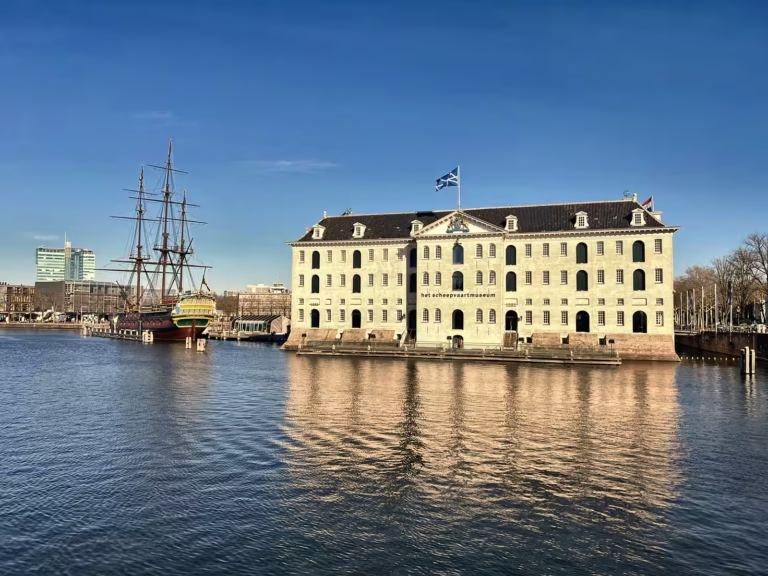
The National Maritime Museum is a primary cultural institution located in the Oosterdok area of Amsterdam. Known locally as Het Scheepvaartmuseum, it occupies ‘s Lands Zeemagazijn, a building designed by Daniël Stalpaert in the 17th century. For international visitors, the National Maritime Museum offers an extensive look at how the sea has shaped Dutch culture, economy, and identity. The museum is particularly famous for its full-scale replica of the East Indiaman Amsterdam, which is permanently moored at the museum pier. This article details the museum’s history, the technical specifications of its exhibits, and the logistical information necessary for a successful visit to this maritime landmark.
In this blog
The Transformation of ‘s Lands Zeemagazijn
The building that houses the National Maritime Museum was originally constructed in 1656 as a storehouse for the Admiralty of Amsterdam. It was used to store sails, ropes, anchors, and other naval equipment during the Dutch Golden Age. The structure is built on 1,800 wooden piles driven into the bed of the Oosterdok. After the Admiralty was abolished in 1795, the building served various military purposes for the Royal Netherlands Navy. It was not until 1973 that the building was officially converted into the National Maritime Museum, allowing the general public to access the historic site for the first time.
The move to this location allowed the museum to consolidate its growing collection, which had previously been housed in a smaller facility on the Cornelis Schuytstraat. The renovation preserved the massive brick walls and the symmetrical layout, which consists of four wings surrounding a central courtyard. The building’s original function as a warehouse is still evident in its sturdy architecture and the thick wooden beams visible in the exhibition halls. Today, it stands as one of the largest buildings from the 17th century in the city, providing a fitting environment for the preservation of maritime artifacts.
Tip: The National Maritime Museum building is supported by exactly 1,800 wooden piles.
How to get there?
Plan my journey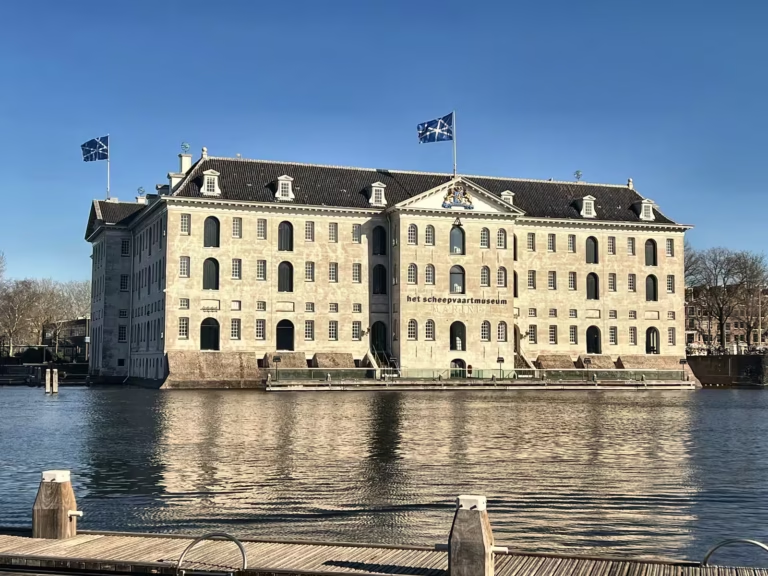

The Replica East Indiaman Amsterdam
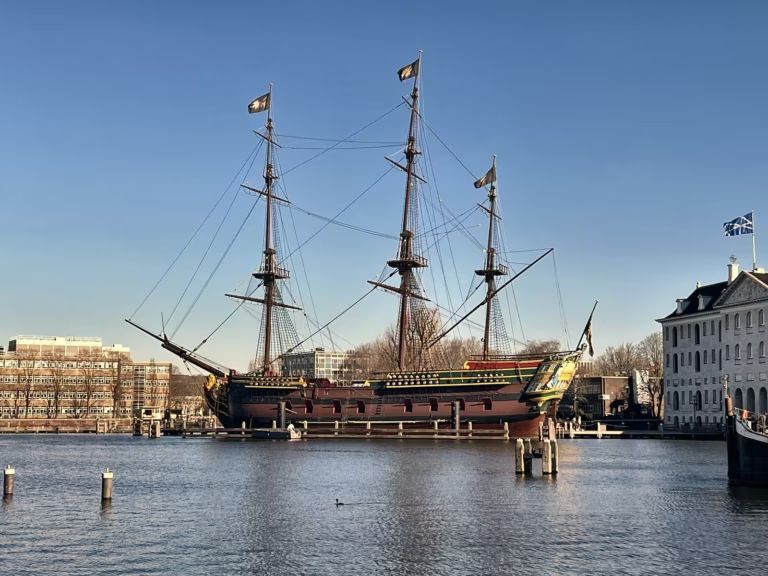
The most prominent exhibit at the National Maritime Museum is the Amsterdam, a full-scale replica of a Dutch East India Company (VOC) ship. The original Amsterdam was a merchant vessel that ran aground during its maiden voyage in 1749. The replica was built between 1985 and 1990 by 400 volunteers using traditional 18th-century techniques and materials. It has a length of 48 meters and a height of 56 meters to the top of its main mast. Visitors can explore the various decks, including the captain’s quarters, the galley, and the hold where cargo was stored.
The Amsterdam serves as a floating museum where the daily life of sailors is documented through factual reconstructions of their sleeping quarters and workstations. It is permanently moored at the museum’s wharf and is accessible via a gangway from the main building. The ship is rigged with approximately 20 kilometers of rope, reflecting the complexity of 18th-century naval engineering. Regular maintenance is performed to ensure the vessel remains seaworthy for educational purposes, although it remains stationary for visitor safety and preservation.
Tip: The replica ship Amsterdam has a total length of 48 meters and a main mast height of 56 meters.
National Maritime Museum, what’s inside?
Collections and Specialized Exhibits
The National Maritime Museum holds one of the world’s largest maritime collections, comprising approximately 400,000 objects. The exhibits are divided into different themes located in the East, West, and North wings. Key highlights include the cartography collection, which features rare maps by the Blaeu family, and the painting collection, which includes works by famous maritime artists like Willem van de Velde the Elder and Younger. These artifacts provide a chronological account of Dutch naval battles, trade routes, and colonial history.
In addition to traditional art, the museum features a specialized collection of ship models that date back several centuries. These models were often used by shipbuilders as blueprints before actual construction began. The “See You in the Golden Age” exhibit utilizes interactive technology to present a factual overview of 17th-century commerce. The museum also maintains the Royal Barge (Koningssloep), a gilded vessel built in 1816 for King William I, which is exhibited in a dedicated glass-fronted boathouse on the museum grounds.
(the post will continue after this block)
Amsterdam Top 5 Museums
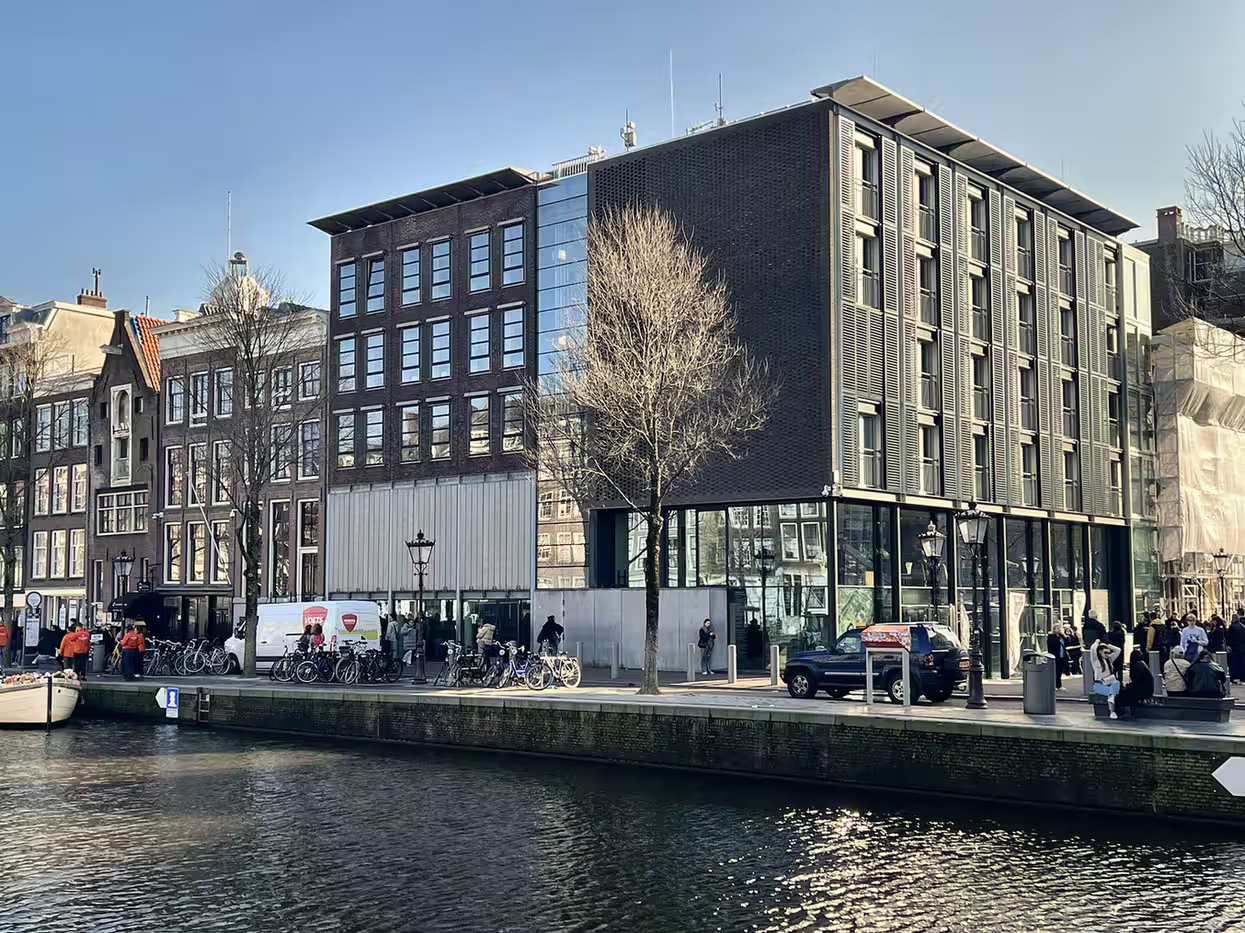
1. Anne Frank house
The Anne Frank House preserves the secret annex where Anne Frank and her family hid during World War II, offering visitors a powerful glimpse into her life and the history behind her famous diary.
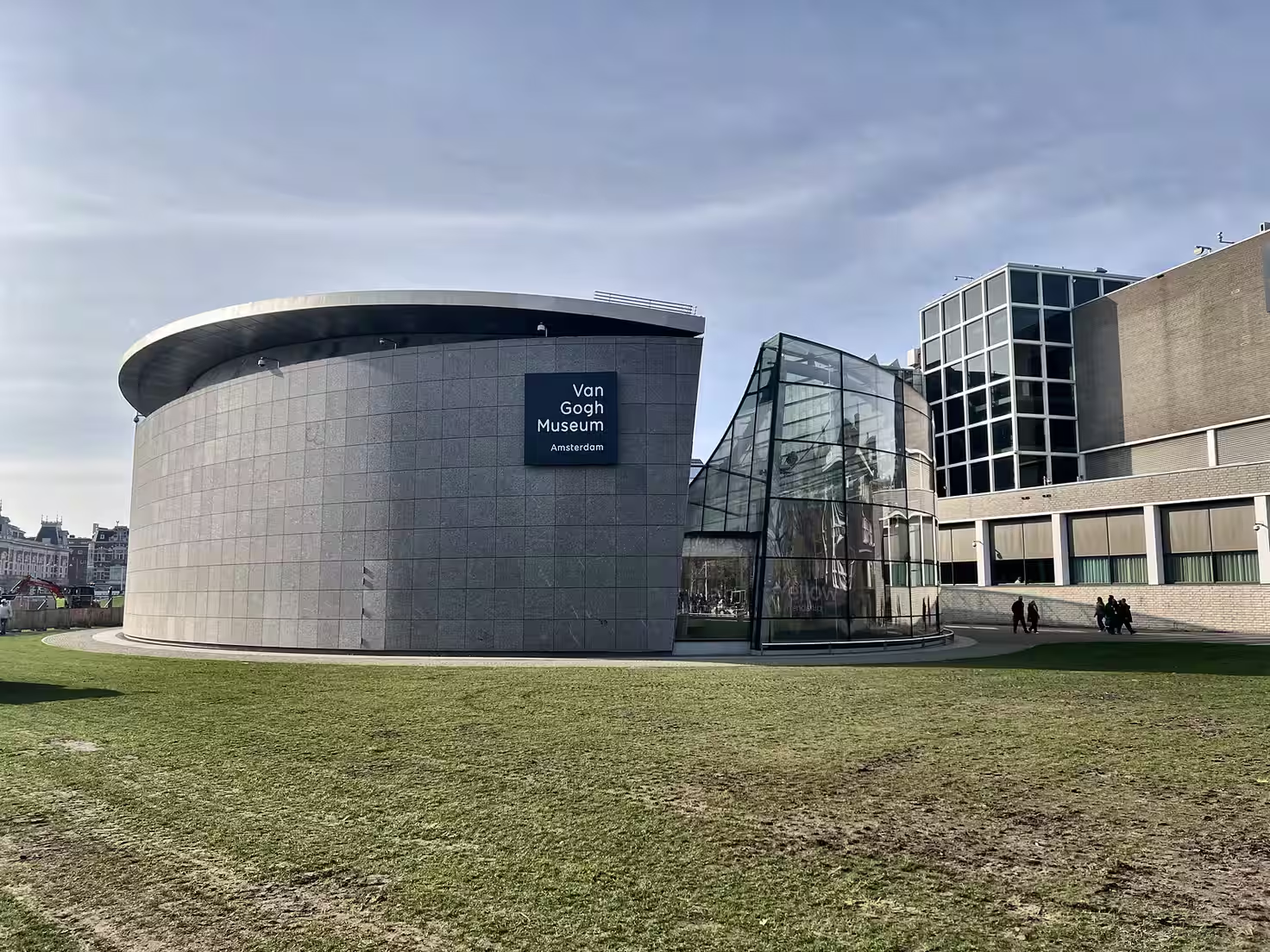
2. Van Gogh museum
The Van Gogh Museum houses the world’s largest collection of works by Vincent van Gogh, allowing visitors to explore his paintings, drawings and letters while learning about the life and artistic development of one of the most influential painters in history.
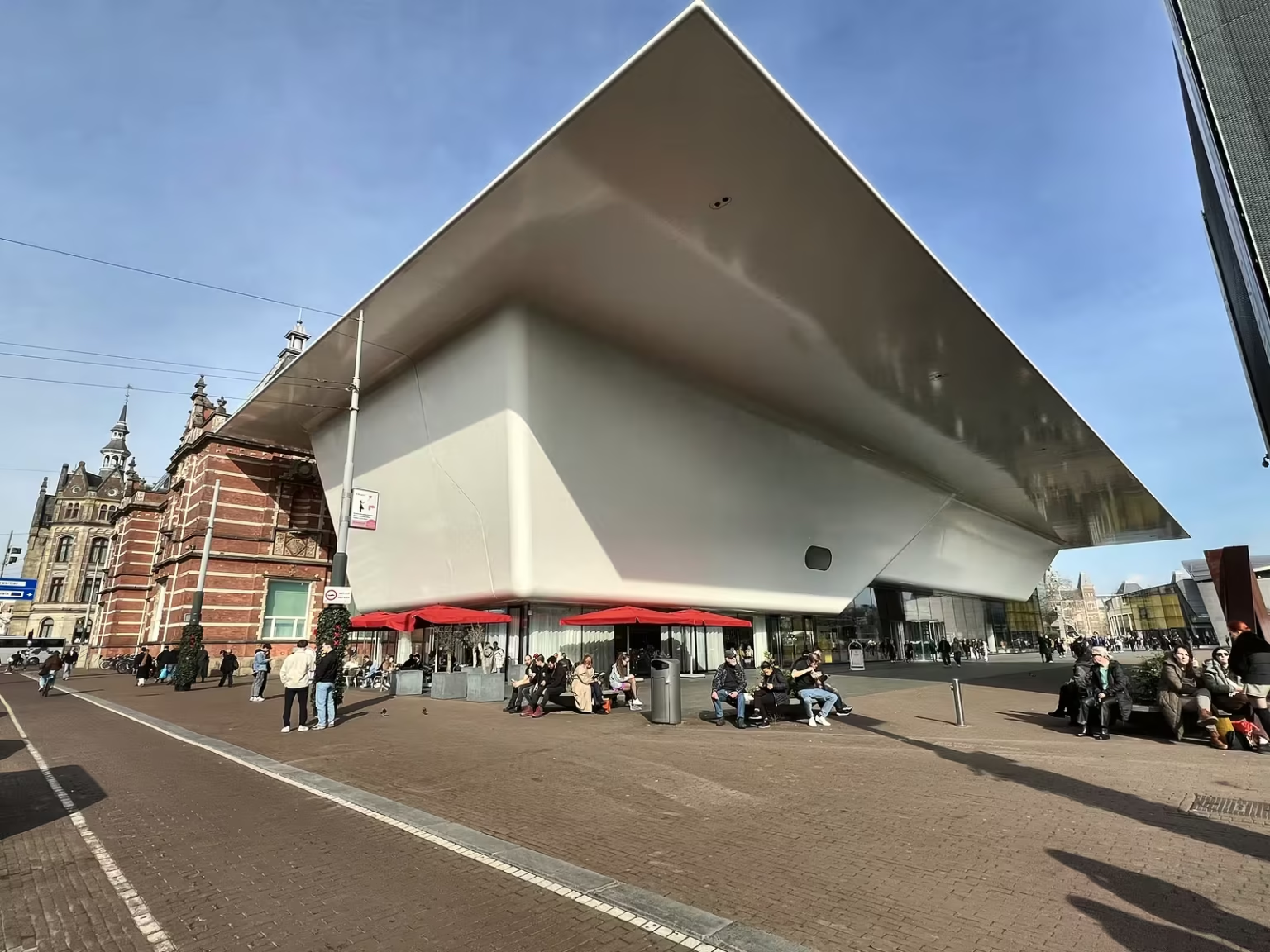
3. Stedelijk museum
Stedelijk Museum Amsterdam showcases modern and contemporary art and design, featuring works by artists such as Mondrian while highlighting groundbreaking movements that shaped international art and culture.
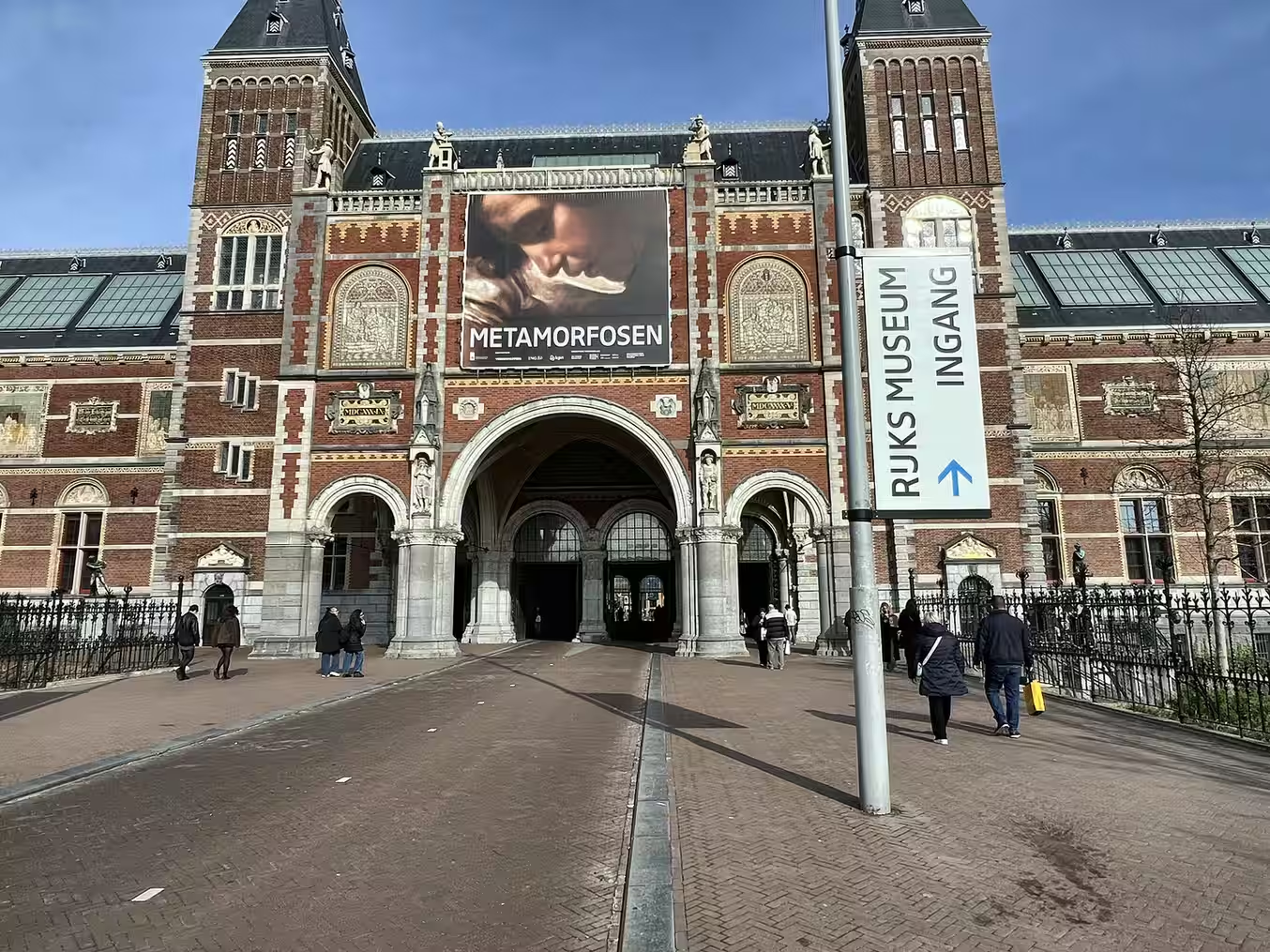
4. Rijks museum
Rijksmuseum presents the rich history of the Netherlands through masterpieces by Dutch masters such as Rembrandt and Vermeer, including the world-famous painting The Night Watch.
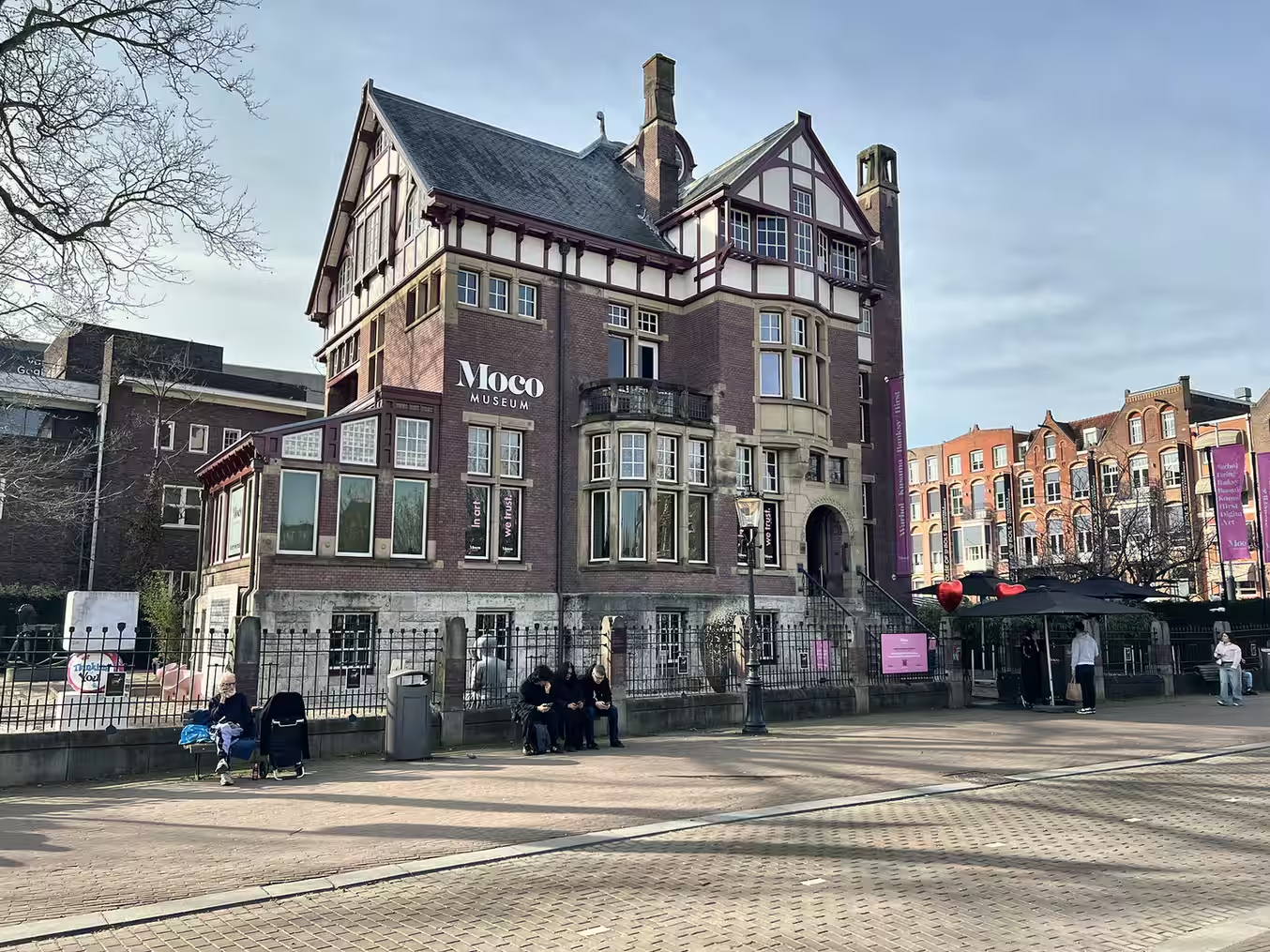
5. Moco museum
Moco Museum exhibits modern and contemporary art from influential artists such as Banksy, Basquiat and Kusama, combining street art, pop art and digital art in a vibrant museum setting.
The Glass Courtyard and Architectural Design
A significant modern addition to the National Maritime Museum is the glass roof over the central courtyard, known as the Open Plein. Completed during the 2007–2011 renovation, the roof was designed by architect Laurent Ney. It consists of more than 1,200 individual glass panes set into a self-supporting steel frame. The geometric pattern of the roof is inspired by the rhumb lines found on old nautical charts. This design allows the museum to use the courtyard as a large, weather-protected public space for events and guest services.
The installation of the glass roof was a complex engineering task, as it had to be integrated into the 17th-century masonry without compromising the historic structure. The roof weighs approximately 150 tons but appears light due to its intricate steel lattice. The courtyard serves as the central hub of the museum, providing access to all wings and the museum shop. This architectural fusion of 17th-century brickwork and 21st-century glass technology has become a defining feature of the museum’s modern identity.
Tip: The glass roof of the central courtyard consists of 1,200 unique glass panes.



Location, Accessibility, and Transport
The National Maritime Museum is located at Kattenburgerplein 1, 1018 KK Amsterdam. It is situated on the eastern edge of the city center, overlooking the IJ water. The museum is easily reachable from Amsterdam Central Station. Visitors can take a 15-minute walk along the waterfront or use the city’s bus network. Bus lines 22 and 43 stop directly at the Kattenburgerplein station, which is located in front of the museum entrance.
For those arriving by car, the museum is accessible via the IJ-tunnel. However, parking at the museum itself is limited to disabled visitors with a valid permit. General parking is available at nearby commercial garages, such as the Oosterdok Parking, which is a 10-minute walk from the entrance. The museum is fully accessible for wheelchair users, with elevators providing access to all floors in all wings. Ramps are also provided for access to the Amsterdam replica ship, although some lower decks may have limited accessibility due to the historic ship design.

A complete visit to National Maritime Museum Amsterdam
The National Maritime Museum (Het Scheepvaartmuseum) in Amsterdam showcases 500 years of Dutch maritime history. Housed in a 1656 former naval storehouse, it features a vast collection of maps, paintings, and ship models. This blog provides a factual overview of the exhibits, the historic building, and practical visitor details.
Essential Visitor Information
The National Maritime Museum is open daily from 10:00 to 17:00. It is a verifiable fact that the museum is closed on King’s Day (April 27), Christmas Day (December 25), and New Year’s Day (January 1). Tickets can be purchased at the entrance or via the official website. The museum participates in the National Museum Pass (Museumkaart) program, which grants free entry to pass holders. Additionally, the I amsterdam City Card provides free admission to the museum and the use of public transport to reach the site.
Inside the museum, facilities include a restaurant called “Stalpaert,” named after the original architect, and a museum shop specializing in maritime literature and gifts. Lockers are provided free of charge in the basement for storing bags and coats. Guided tours are available in multiple languages, and a free audio tour is provided to all visitors, covering the main highlights of the collection and the ship. For families, the museum offers specialized educational programs that focus on the science of navigation and life at sea.
Take a virtual tour with Google Streetview!
Frequently Asked Questions (FAQ)
What are the opening hours of the National Maritime Museum?
The museum is open every day from 10:00 to 17:00.
Can I visit the replica ship without a museum ticket?
No, access to the wharf and the replica ship Amsterdam is included in the standard museum admission ticket.
How long does a typical visit to the National Maritime Museum take?
Most visitors spend between 2 and 3 hours exploring the various wings and the replica ship.
Is the National Maritime Museum accessible for children?
Yes, the museum features several interactive exhibits and educational zones specifically designed for younger visitors.
Where is the National Maritime Museum located?
The museum is located at Kattenburgerplein 1, 1018 KK Amsterdam.

Leave a Reply