
When you explore the Oud-West neighborhood, you quickly discover a massive brick building that houses Foodhallen Amsterdam. This bustling indoor market functions as a central gathering place for food enthusiasts, offering a wide array of international and local cuisines under one historic roof. Instead of committing to a single restaurant, you can wander between various specialized stalls, order small dishes, and share them at communal tables. Foodhallen Amsterdam represents a modern shift in urban dining, combining high-quality street food with a social, accessible atmosphere. This article details the specific vendors, the architectural background of the venue, and exactly what you can expect when you step inside.
In this blog:
The Historical Setting Of The Tram Depot
Before the culinary stalls arrived, the massive building hosting Foodhallen Amsterdam served a strictly industrial purpose. The complex, originally known as the Remise Tollensstraat, was constructed between 1901 and 1928 to serve as the primary maintenance depot for the city’s expanding electric tram network. For decades, mechanics repaired heavy tram cars beneath the high glass ceilings and wrought-iron trusses. When the municipal transport company eventually abandoned the site in the late twentieth century, the immense brick structure stood completely empty and slowly deteriorated. The local municipality and heritage organizations debated the future of the complex for over a decade, searching for a financially viable way to preserve the industrial architecture without relying on permanent government subsidies.
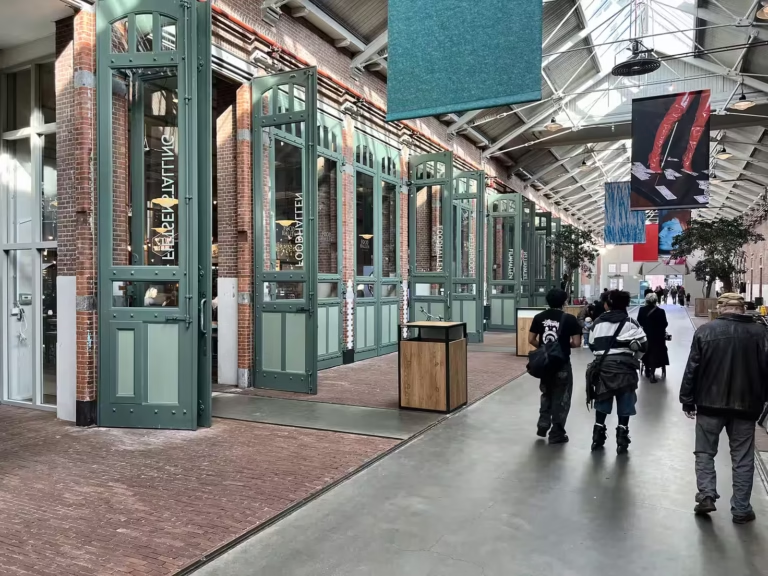
The breakthrough came when a dedicated group of architects and local developers proposed a comprehensive mixed-use plan. They envisioned transforming the entire depot into ‘De Hallen’, a cultural hub containing a cinema, a public library, boutique shops, and a central food market. The renovation project carefully preserved the raw industrial character of the building. When you look up inside Foodhallen Amsterdam today, you still see the original steel beams, the exposed brick walls, and the large skylights that once illuminated the tram mechanics at work. The architects even kept the old tram tracks embedded in the concrete floors of the surrounding corridors. This successful adaptive reuse project completely revitalized the Oud-West district, turning a neglected factory into a major urban destination.
Tip: Foodhallen Amsterdam officially opened its doors to the public on October 21, 2014, becoming the first indoor food market of its kind in the Netherlands.
How to get there?
Plan my journey
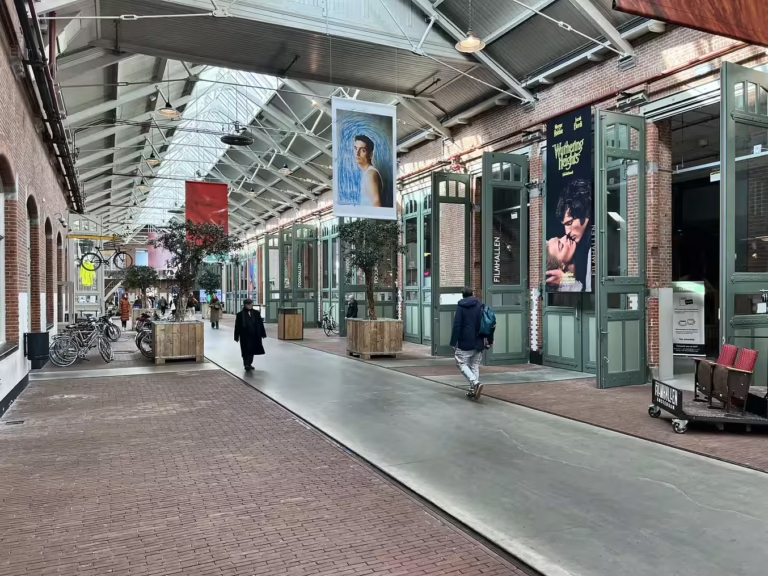

The Layout And Atmosphere Of The Market
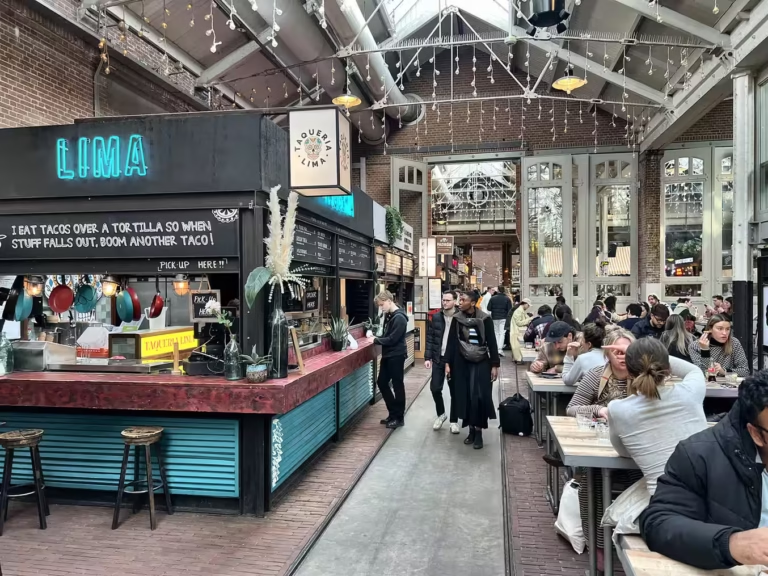
The interior space of Foodhallen Amsterdam is designed to maximize social interaction and culinary exploration. As you enter the main hall, you find a wide, central corridor flanked on both sides by over twenty independently operated food stalls. Each stall occupies a compact, uniform booth, but the vendors heavily customize their displays, signage, and lighting to reflect their specific culinary themes.
The center of the hall features a variety of seating arrangements, ranging from high wooden bar tables to long communal dining benches. This open-plan layout encourages you to walk around, inspect the different menus, and watch the chefs prepare the food directly in front of you. Because the kitchens are entirely open, the air constantly carries the distinct smells of grilled meats, baked goods, and aromatic spices.
Navigating the market during peak hours requires a strategic approach. The venue operates on a self-service model, meaning you place your order directly at the stall, receive an electronic buzzer, and collect your food when it is ready. You will quickly notice that the seating operates on a first-come, first-served basis. If you visit with a group, the most practical method is to secure a table first while others go to order food from different stalls.
The acoustics in the hall are quite loud due to the hard industrial surfaces and the constant chatter of hundreds of visitors. A live DJ often plays electronic or upbeat background music during the weekends, transforming the venue from a simple dining hall into an energetic evening destination. The overall atmosphere at Foodhallen Amsterdam remains thoroughly casual, fast-paced, and highly communal.
Tip: The official main entrance to the food market is situated at Hannie Dankbaarpassage 16 within the larger cultural complex.
Foodhallen Amsterdam
Exploring The Diverse Culinary Vendors
The selection of vendors inside Foodhallen Amsterdam reflects the multicultural demographic of the city itself. The management curated the stalls to ensure a broad variety of international street food, actively preventing direct competition between vendors selling the exact same cuisine. You can find authentic Mexican tacos at Taqueria Lima, where the staff presses fresh corn tortillas and tops them with slow-roasted pork or grilled cactus. Just a few steps away, Viêt View serves traditional Vietnamese street food, focusing on fresh summer rolls and banh mi sandwiches filled with marinated meats and pickled vegetables. If you prefer Mediterranean flavors, you can visit stalls offering Greek mezze, Spanish Iberian ham, or wood-fired Italian pizzas with thin, crispy crusts.
The market also heavily features specialized Asian cuisines that have gained significant popularity in the Dutch food scene. Dim Sum Thing offers a wide array of steamed dumplings and fluffy bao buns served in traditional bamboo baskets. You can also order large bowls of Japanese ramen or fresh Hawaiian poké bowls packed with raw salmon, edamame, and seaweed. For burger enthusiasts, The Butcher operates a busy stall grilling high-quality Angus beef patties on customized buns. Because the portions are generally designed as street food, you have the distinct advantage of ordering several smaller items from completely different continents during a single meal. This culinary diversity ensures that groups with widely varying dietary preferences and taste profiles can easily eat together without compromising.

Located in Amsterdam West, the popular Foodhallen are housed inside a beautifully restored 19th-century tram depot that once served as a storage and maintenance hall for the city’s electric trams. Today this historic industrial building has been transformed into a lively indoor food market where visitors can taste dishes from around the world.
Signature Dishes And Local Dutch Specialties
While international street food dominates a large portion of the market, Foodhallen Amsterdam also serves as an excellent platform to taste elevated versions of traditional Dutch snacks. The most prominent example is De Ballenbar, a vendor exclusively dedicated to the bitterbal. Traditionally, a bitterbal is a simple, deep-fried sphere of beef ragout served in local pubs. This specific stall, however, completely reinvents the classic recipe by incorporating high-end gastronomic ingredients. You can order a tasting platter that includes bitterballen filled with traditional Dutch brown shrimp, Spanish bouillabaisse, or rich black truffle. This approach allows you to experience a fundamental piece of Dutch food culture with a distinct culinary upgrade.
Tip: The popular vendor De Ballenbar, which serves variations of the traditional Dutch bitterbal, was co-founded by Michelin-starred chef Peter Gast.
Beyond savory snacks, the market features dedicated stalls for specific desserts and pastries. Petit Gâteau, a highly respected local bakery, operates a vitrine filled with their signature ‘minimacaron’ and precisely crafted French tarts. If you want a more substantial dessert, you can locate vendors serving freshly baked waffles or artisanal ice cream. The seafood selection also highlights local Dutch preferences, with specific stalls offering fresh oysters, fried kibbeling (battered chunks of white fish), and herring served with raw onions and pickles. By mixing these high-quality local specialties with global street food, Foodhallen Amsterdam provides a comprehensive cross-section of what modern residents of the capital actually eat.


The Central Bars And Beverage Selection
To complement the diverse food offerings, Foodhallen Amsterdam features multiple specialized beverage stations positioned strategically throughout the hall. The central bar is the largest and busiest point, focusing primarily on draft beers, house wines, and standard mixed drinks. The beer selection goes beyond standard lagers, often featuring rotating taps from independent Dutch microbreweries. This allows you to pair a locally brewed IPA or a heavy stout with your meal. Because the bar operates independently from the food stalls, you must purchase your drinks separately, which means you might need to stand in a different queue after ordering your food.
In addition to the central bar, the venue houses specialized drink counters dedicated to specific beverage categories. You can find a dedicated Gin & Tonic bar that serves extensive variations of the cocktail, utilizing different botanical gins, premium tonics, and fresh garnishes like juniper berries, cucumber, or star anise. For visitors seeking non-alcoholic options, there is usually a stall focused entirely on freshly pressed fruit juices, vegetable smoothies, and premium roasted coffee. The management ensures that the glassware and cups are collected rapidly by roaming staff, keeping the communal tables clear for new guests. The varied beverage selection is designed to match the specific flavor profiles of the heavy, spicy, or rich foods served by the surrounding vendors.

Foodhallen Amsterdam: what can you expect inside?
This guide provides a detailed overview of the premier indoor food market in the Dutch capital. You will learn about the transformation of a nineteenth-century industrial complex into a vibrant culinary destination. The article outlines the diverse food stalls, the specific layout of the venue, and practical tips for planning your visit.
Practical Information For Your Visit
Planning a visit to Foodhallen Amsterdam requires a few practical considerations, especially regarding timing and payments. The market is exceptionally busy during Friday evenings, Saturdays, and Sundays. If you prefer a quieter environment to carefully inspect the stalls and easily find seating, you should aim to visit during a weekday afternoon or early in the week for dinner. The venue does not accept any cash payments; all food stalls and bars operate strictly on a pin-only basis. You must bring a physical debit card, credit card, or a functional mobile payment app on your smartphone to complete any transaction inside the building.
Reaching the venue is highly straightforward using the public transport network. Several major tram lines stop directly at the Kinkerstraat or the Ten Katemarkt, leaving you with just a two-minute walk to the entrance. If you arrive by bicycle, you must park it in the large, designated underground bicycle parking garage situated directly beneath the complex, as parking on the street right outside the main doors is strictly prohibited and enforced by local authorities. The entire ground floor of the market is completely wheelchair accessible, without any stairs or raised platforms hindering movement between the stalls and the dining tables. Once you finish eating, you can easily combine your visit with a walk through the adjacent Ten Katemarkt or a movie screening at the independent cinema located in the very same building.
Take a virtual tour with Google Streetview!
Frequently Asked Questions (FAQ)
Do you need to make a reservation at Foodhallen Amsterdam?
No, the market operates entirely on a walk-in, self-service basis. You cannot reserve tables in advance for small or medium-sized groups. You must simply enter, find an available spot at the communal tables, and order directly from the individual vendors.
Is it possible to pay with cash at the food stalls?
No, the entire venue operates a strict cashless policy. Every food vendor and bar inside the hall only accepts payments via debit card, credit card, or mobile payment applications.
Are dogs allowed inside the food market?
Dogs are generally not permitted inside the main dining hall due to strict hygiene regulations and the dense crowds, with the exception of officially registered service dogs assisting visitors with disabilities.
Does the market offer vegetarian and vegan options?
Yes, the diverse range of international vendors ensures a wide selection of plant-based meals. You can easily find vegan tacos, vegetarian dim sum, meat-free burgers, and various fresh salads throughout the hall.

Leave a Reply