
The infrastructure for cycling in Amsterdam is extensive and highly integrated into the daily transport network. Utilizing a bike rental service is a primary method for visitors to experience the city’s unique geography and historical architecture. However, the density of traffic requires a clear understanding of the Dutch traffic code (RVV 1990). From choosing a reputable provider to exploring rural landscapes like Waterland, this article serves as a factual resource for those looking to utilize a bike rental during their stay.
In this blog:
The Infrastructure and Culture of Cycling in Amsterdam
The dominance of the bicycle in Amsterdam is the result of deliberate urban planning that began in the 1970s. The city features a comprehensive network of separated cycle paths, often paved in red asphalt to distinguish them from motorized lanes. Public transport hubs are central to the bike rental ecosystem. For instance, Amsterdam Central Station provides underground parking facilities for thousands of bicycles, facilitating the “train-to-bike” transition common among Dutch commuters and tourists alike.
The local cycling culture is functional rather than recreational. Most residents use heavy-duty “omafiets” or “opafiets” (grandmother/grandfather bikes) for commuting, shopping, and transporting children. For a visitor, selecting a bike rental means joining a flow of traffic that is predictable but fast-paced. Understanding the rhythm of the city is essential, as the sheer volume of cyclists at major intersections can be significant during peak commuting hours.
Tip: The IJboulevard underwater bicycle parking facility at Amsterdam Central Station has a total capacity for 7,000 bicycles and was officially opened on January 26, 2023.
How to get there?
Plan my journey


Traffic Rules and Safety for Cyclists
Navigating the city on a bike rental requires adherence to the Reglement Verkeersregels en Verkeerstekens (RVV 1990). In the Netherlands, cyclists must stay in the designated bike lanes. If no lane is present, you must use the main road but stay to the right. It is a legal requirement to have working front (white/yellow) and rear (red) lights during dark hours or low visibility.
Hand signals are a standard requirement for indicating turns. Extending your left or right arm notifies other road users of your intention to change direction. It is also important to note that using a mobile electronic device while cycling is prohibited under Dutch law. Fines are strictly enforced by the local police to ensure the safety of all road users. When using a bike rental, the rider is responsible for following all signal lights; a red light in the shape of a bicycle applies specifically to cyclists.
Tip: As of July 1, 2019, the fine for holding a mobile electronic device while cycling in the Netherlands is set at 160 euros, excluding administrative fees.
How to rent a bike in Amsterdam
Popular Cycling Routes in and around the City
Once you have secured a bike rental, several established routes allow you to explore beyond the central canal ring. The “Waterland” route is a highly recommended path that takes you north of the IJ river. This route passes through the rural villages of Durgerdam, Holysloot, and Ransdorp. It offers a view of the traditional Dutch polder landscape and historical wooden houses. The terrain is flat, but wind conditions can affect the difficulty of the ride.
Within the city, the Vondelpark route is a shorter option, covering a loop through Amsterdam’s most famous public park. For a longer excursion, the Amstel River route leads south toward the village of Ouderkerk aan de Amstel. This path follows the winding riverbanks and passes the Riekermolen windmill. These routes are part of the national “knooppunten” (node) system, which uses numbered signs to help cyclists navigate between specific points without a traditional map.
Tip: The Waterland cycle route (numbered as the Waterlandpad) covers a total distance of approximately 42 kilometers if started and finished at Amsterdam North.
Amsterdam Hidden Gems
Psss … don’t tell anyone!
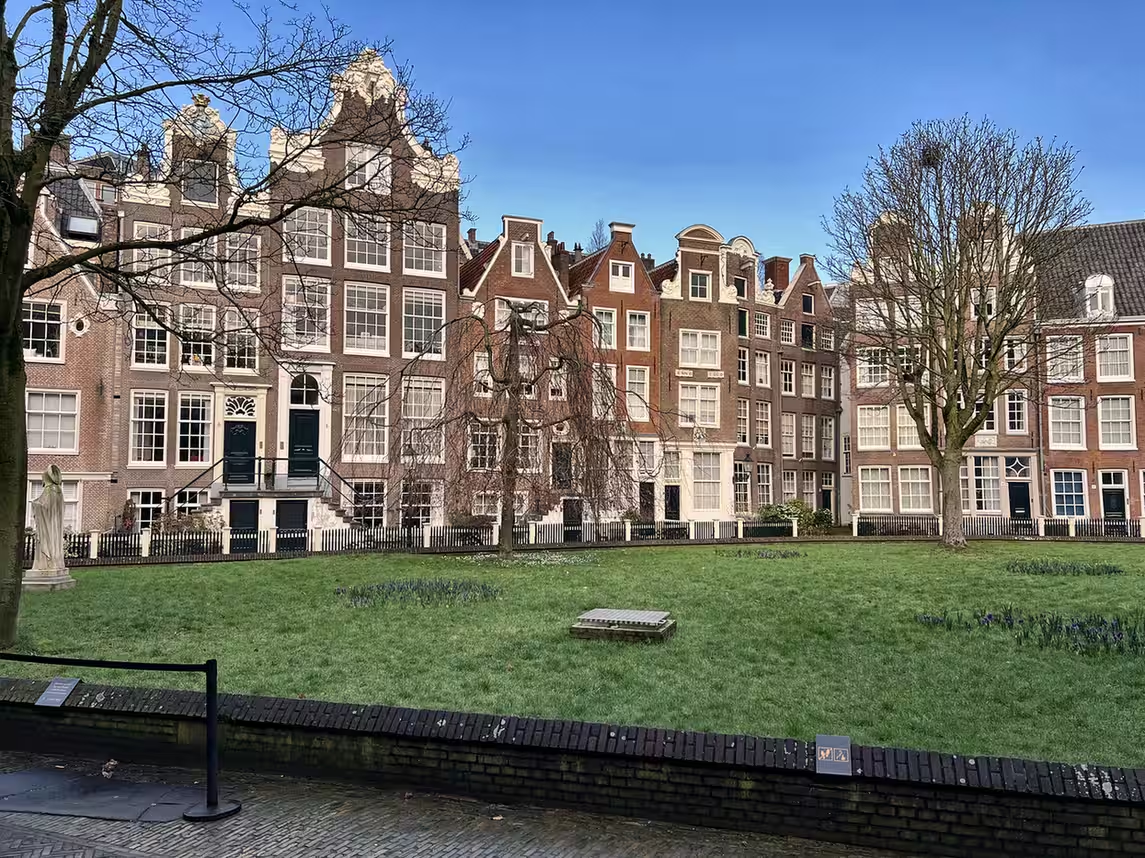
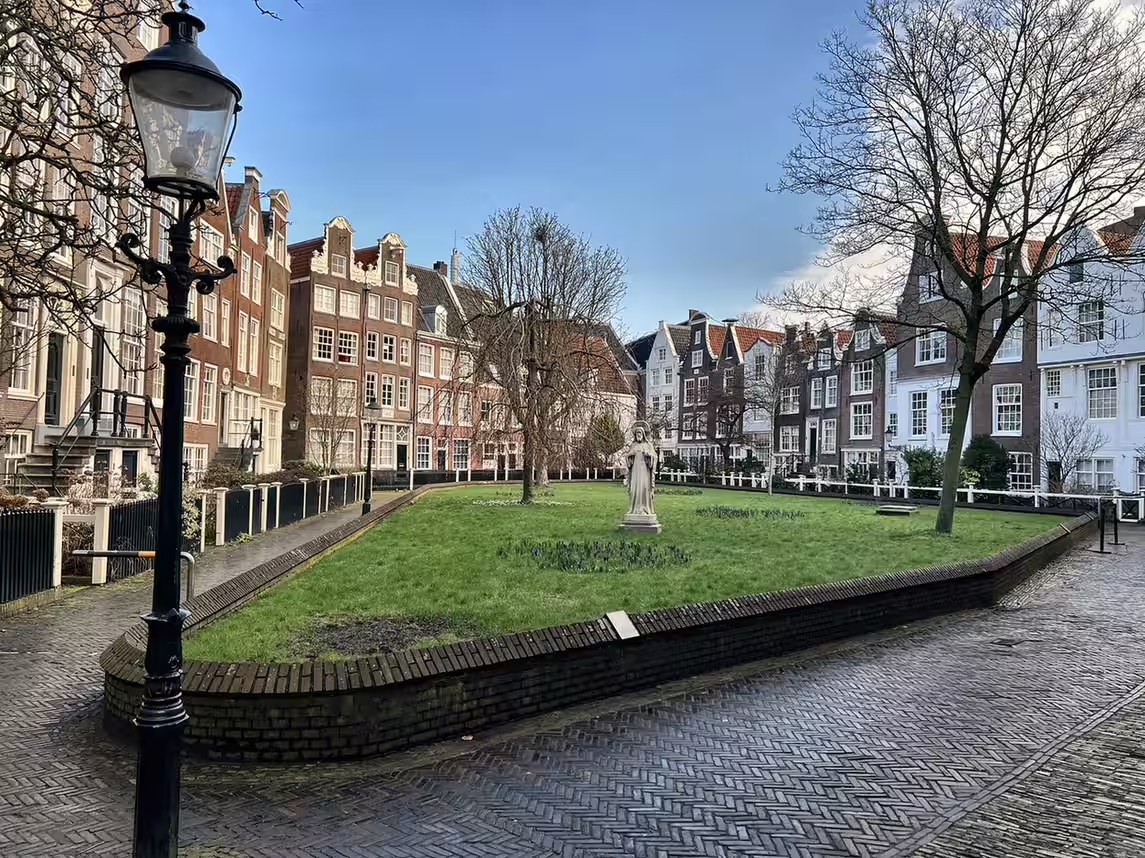
BEGIJNHOF
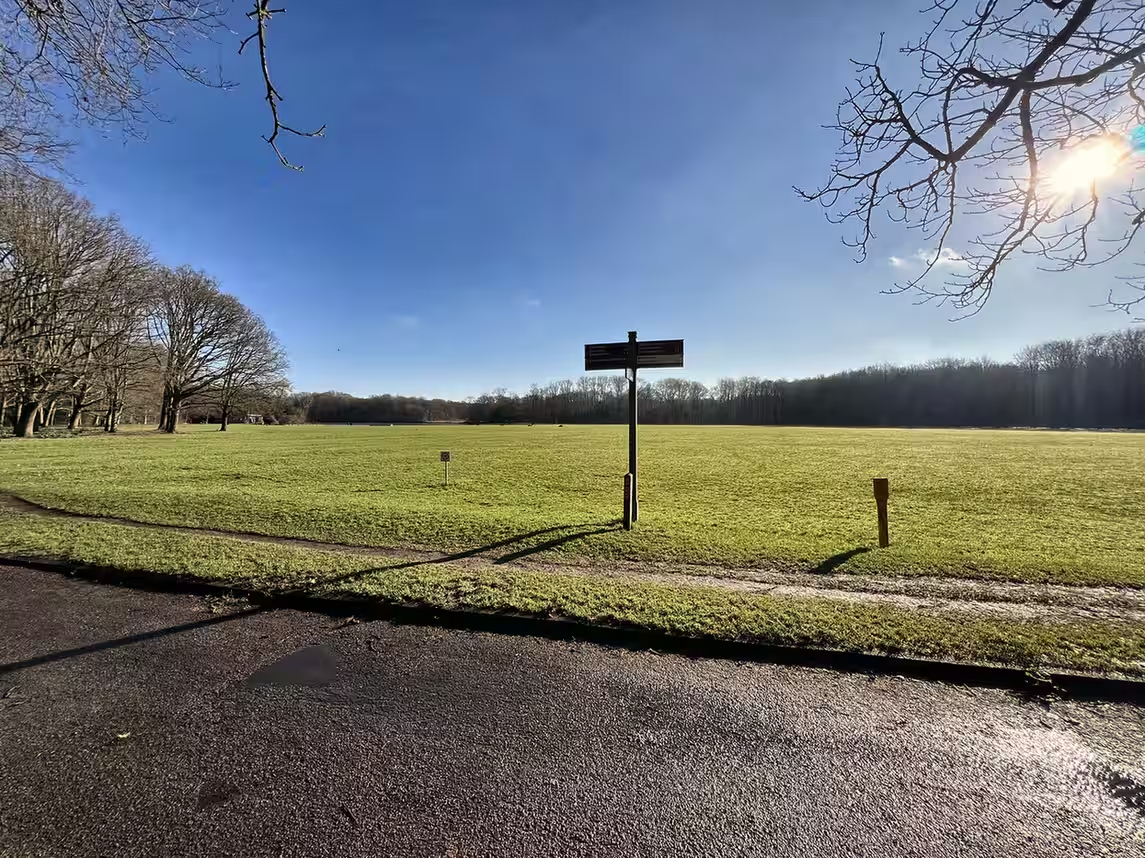
AMSTERDAMSE BOS
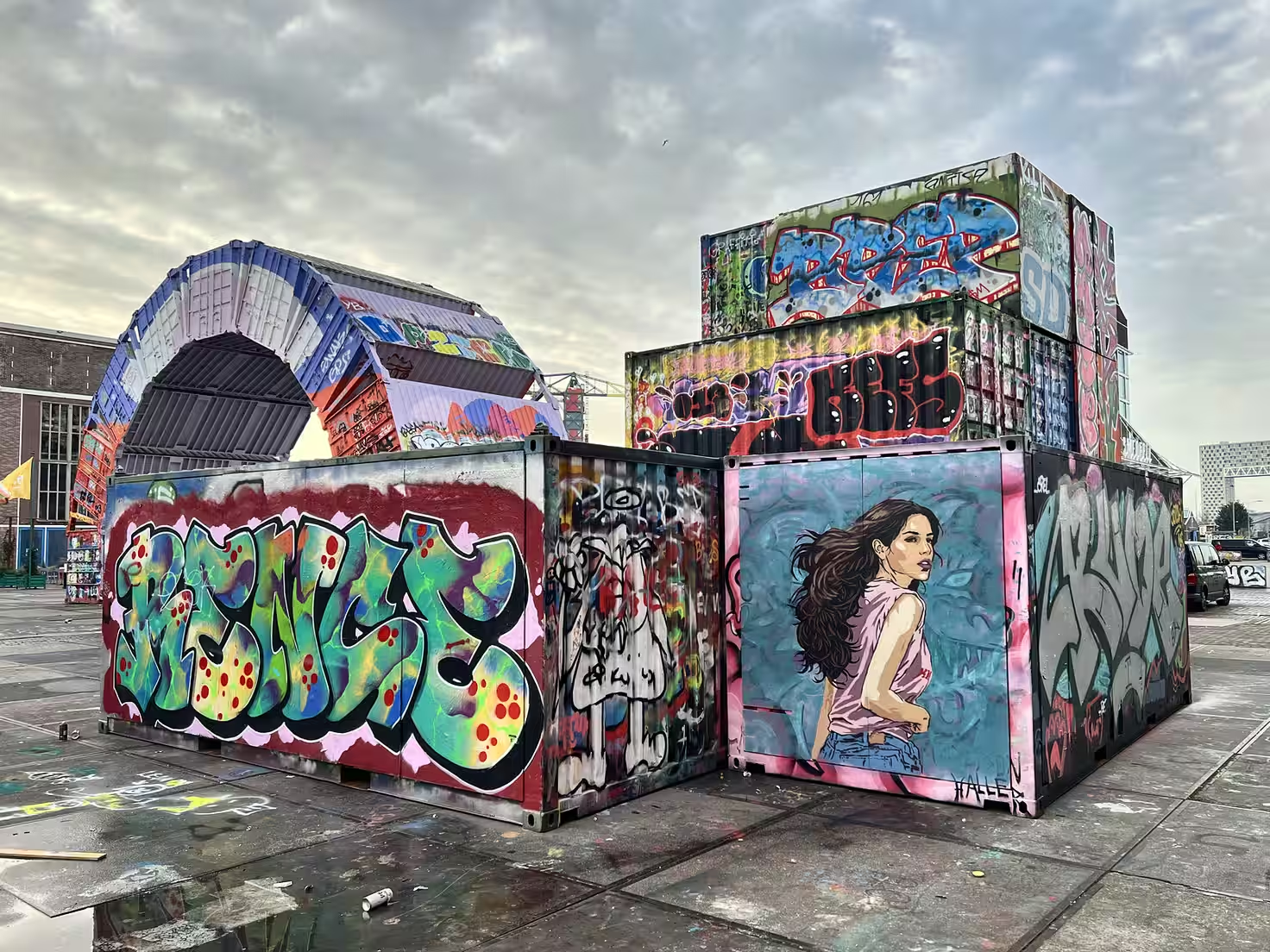
NDSM WARF
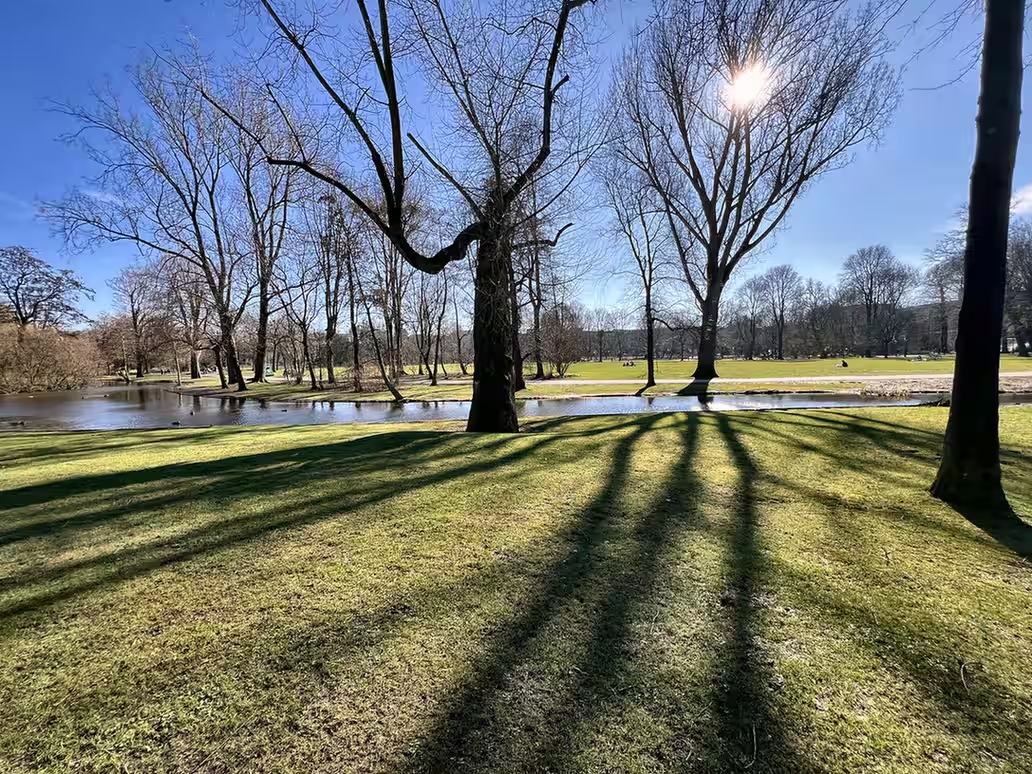
OOSTERPARK
Overview of Top 10 Bike Rental Providers
When searching for a bike rental, you will find numerous companies with varying specialties. The following list represents ten of the most established providers in Amsterdam, known for their fleet size and accessibility:
- OV-fiets: The official railway bike service. While primarily for residents with a personal chip card, it is the most widespread rental system in the country.
- MacBike: One of the oldest companies, with multiple locations including Central Station and Leidseplein.
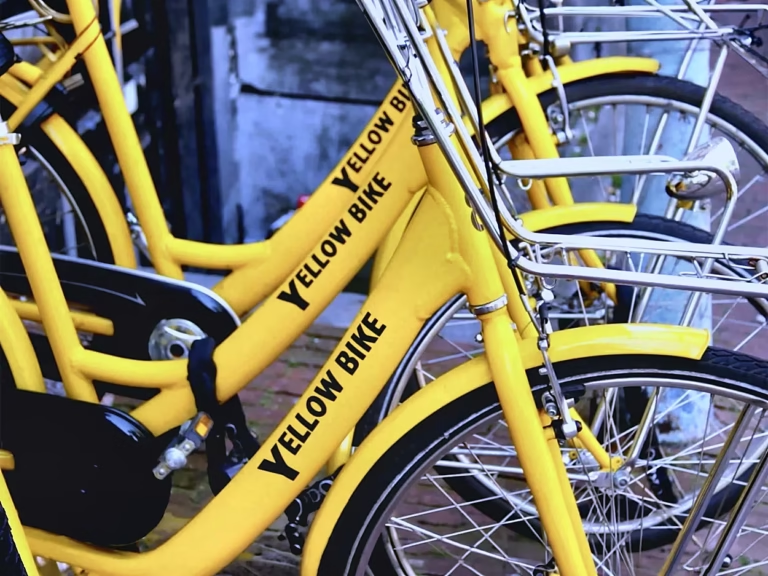
- Yellow Bike: Known for their distinct yellow bicycles and guided tours.
- Black Bike (Het Zwarte Fietsenplan): Provides traditional black Dutch bikes and has over 15 locations.
- A-Bike Rental & Tours: Offers a variety of models, including electric bikes and tandems.
- Star Bikes Rental: Located near the rear of Central Station, specializing in classic Dutch models.
- Discount Bike Rental: Focused on long-term rentals with competitive pricing near Dam Square.
- Mike’s Bike Tours: Offers both independent rentals and educational tours of the city.
- Rent A Bike Damstraat: Centrally located near the Royal Palace, operating since the 1980s.
- Donkey Republic: A 24/7 app-based bike-sharing service with various pick-up points.
Most bike rental shops require a form of identification and a deposit, which can be a credit card authorization or a cash amount.



Practical Logistics: Parking and Security
Security is a significant concern when using a bike rental in Amsterdam. Bicycle theft is a common issue, and users are expected to use two locks: a frame lock that secures the back wheel and a heavy chain lock to tether the frame to a fixed object, such as a bike rack. You should never leave your bike rental unlocked, even for a short duration.
Parking regulations are strictly enforced in areas like the Leidseplein and around major stations. Bicycles parked outside of designated racks or in “no-parking” zones may be removed by the municipal “Fietsdepot.” If your bike rental is removed, you will have to pay a retrieval fee and travel to the depot located in the western harbor area. Many modern buildings and major plazas now feature supervised underground parking, which is often free for the first 24 hours.

Bike Rental Amsterdam: how it works and tips
Amsterdam is frequently cited as the premier cycling city in the world, with over 800,000 bicycles within its limits. This guide provides an overview of bike rental options, essential safety regulations, and established cycling routes. It details the practical logistics of navigating the city’s 500 kilometers of dedicated bike paths.
Bikerentals in Amsterdam:
Frequently Asked Questions (FAQ)
Do I need to wear a helmet when using a bike rental in Amsterdam?
In the Netherlands, wearing a helmet while cycling is not a legal requirement for standard bicycles. Most locals do not wear them, and they are generally not provided by bike rental shops unless specifically requested.
Can I take my rental bike on the ferry?
Yes, the ferries crossing the IJ river to Amsterdam North are free of charge for pedestrians and cyclists. You can simply roll your bike rental onto the deck.
What should I do if my bike is stolen?
If your bike rental is stolen, you must first contact the rental company. They will usually require you to file a police report. Most companies offer insurance for a small daily fee that covers a portion of the replacement cost if you can provide the key to the lock.
Are there electric bikes available for rental?
Yes, most major bike rental providers now include e-bikes in their fleet. These are particularly useful for longer routes like the Amstel River or Waterland routes, especially when facing headwinds.
Can two people ride on one bicycle?
“Backie” (riding on the luggage rack) is a common sight among locals, but it is not recommended for tourists using a bike rental as it affects the balance of the bike and increases the risk of accidents.
Sources
- Gemeente Amsterdam. (2024). Verkeersregels voor fietsers.
- Fietsersbond. (2023). Cycling facts and figures in the Netherlands
- I amsterdam. (2024). Bike rental and cycling in Amsterdam.
- Rijksoverheid. (1990). Reglement verkeersregels en verkeerstekens (RVV 1990).
- ANWB. (2024). Fietsknooppunten en routes.

Leave a Reply