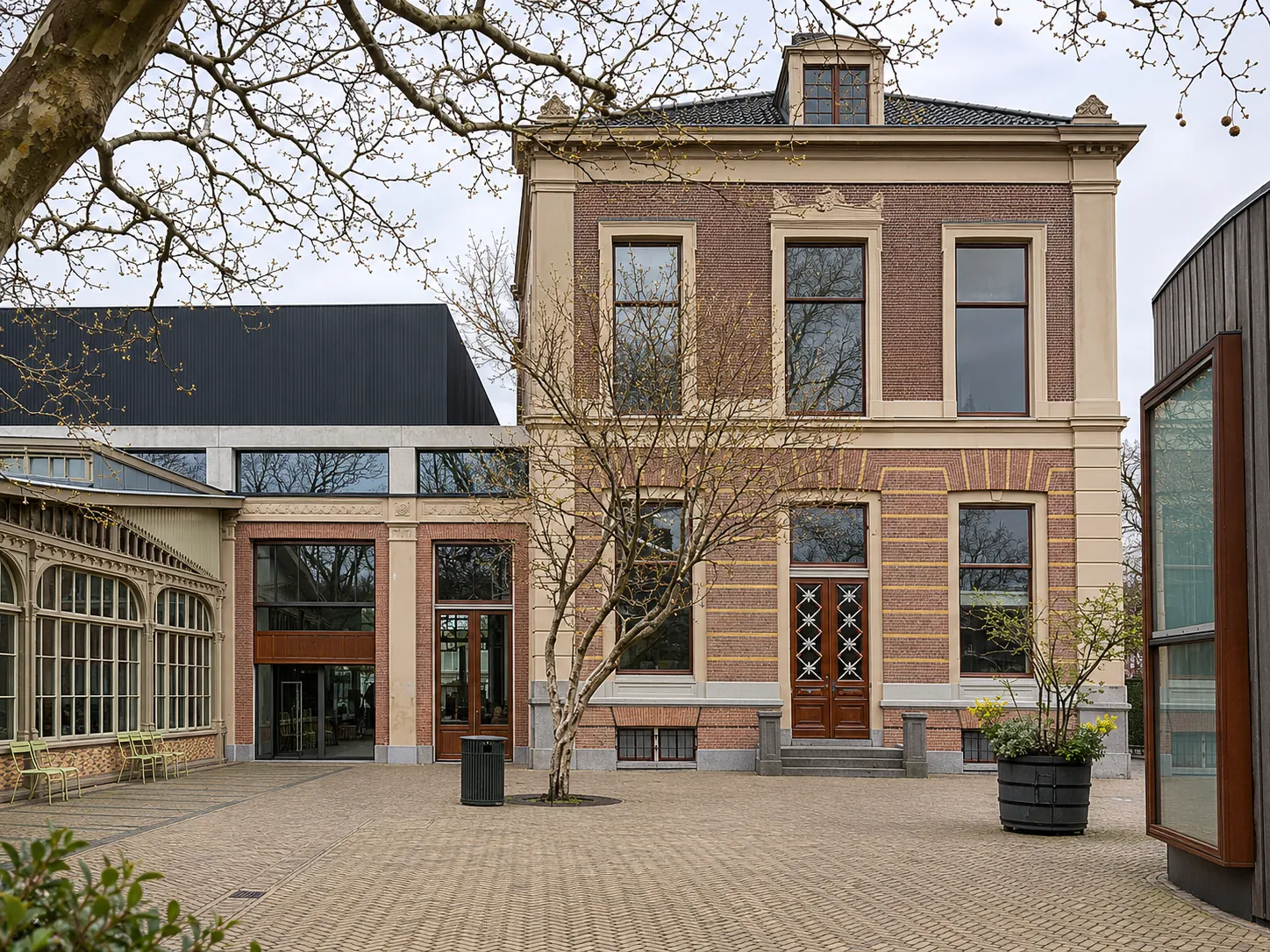




ARTIS-Micropia is a science museum about microbes in Amsterdam’s Plantage neighbourhood. The entrance is on Artisplein at Plantage Kerklaan 36, around the corner from the main ARTIS Zoo gates. Inside, you can look at living microorganisms through microscopes, explore displays about microbes in the body and food, and listen to a short talk by the museum’s lab staff.
A Micropia ticket admits you to the museum on its own. If you also want to go to the zoo, there are combination tickets. ARTIS says most visitors spend between an hour and an hour and a half at Micropia, with more time for a talk or family activities. The museum’s own ticket information lists free admission for children up to and including age 12. Check how to include them in your booking, especially if you are buying a combination ticket.
The museum works well if you start with a question. What does something living look like through the lens? Where are microbes in a piece of food? How can visitors tell a live view from an illustration? This guide follows the indoor route, explains the three neighbouring attractions and shows where to fit a talk into a short visit.
Visitor tip: Pick up a stamp card near the start if your group enjoys a trail. Leave enough time to look through a microscope before you move on to your next stamp.
Contents
What to expect at ARTIS-Micropia
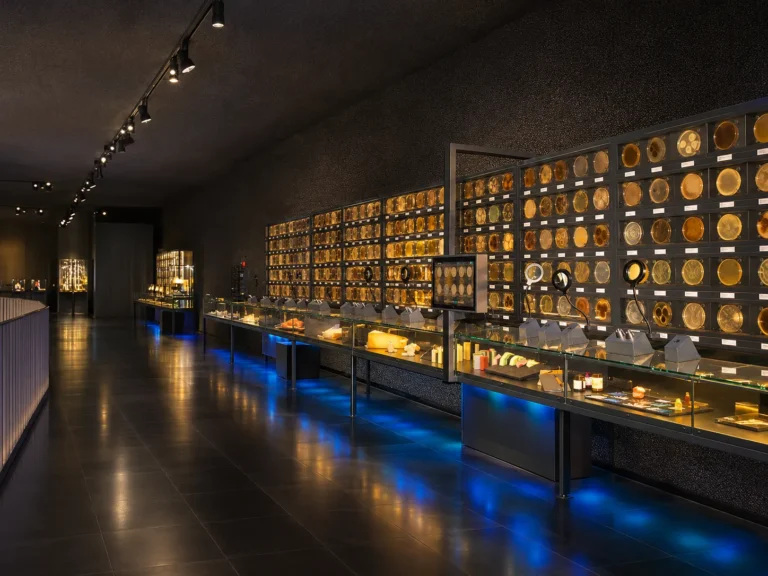
The central displays let you see tiny forms of life at a scale you normally miss. The museum’s introduction describes more than forty kinds of live microbes that visitors can examine with the museum’s microscopes. Some stations show movement and fine structures. Others connect what is on screen to a familiar environment, such as water, soil, food or your own skin. Take enough time at the first microscope to understand what the equipment is showing, then compare it with something quite different at the next one.
Plan the visit as one of three parts of ARTIS. The zoo is the large outdoor site, Micropia has its own indoor exhibition and ARTIS-Groote Museum explores connections between humans and the rest of the living world. The two museums share Artisplein as their point of arrival. If you have only a morning, choose one of the museums as the main stop and leave a gap before your next reservation. Our three-day Amsterdam itinerary helps fit the Plantage into a wider trip.
Visitor tip: Look at the day’s programme before going into the gallery. If there is a Lab Talk you want to hear, decide which section you will visit beforehand.
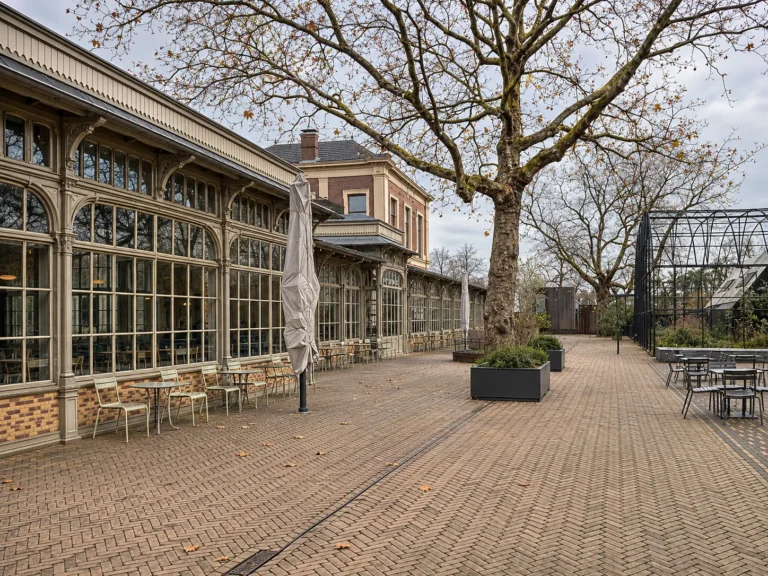
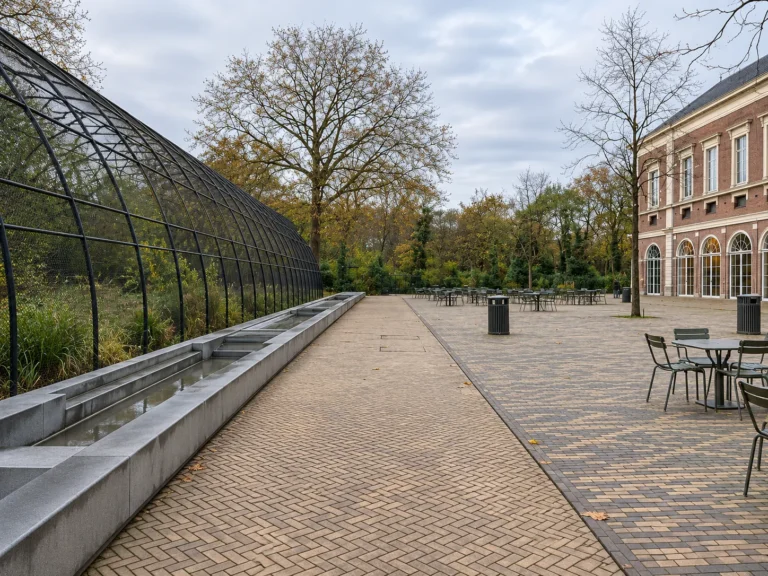
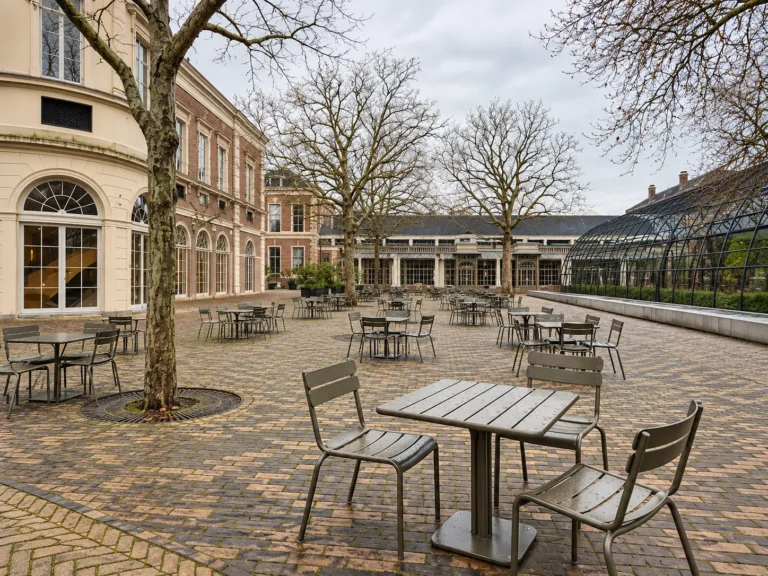
Image credits
Illustrations adapted from the photographs and artworks credited here.
- Micropia entrance in the former Ledenlokalen at Artisplein. Agaath (CC BY-SA 4.0) · Chabe01 (CC BY-SA 4.0) → CC BY-SA 4.0
- Brick paving beneath a tree beside the glazed Artisplein pavilion. Chabe01 (CC BY-SA 4.0) · Agaath (CC BY-SA 4.0) → CC BY-SA 4.0
- Artisplein path beside a curved mesh enclosure. Chabe01 (CC BY-SA 4.0) → CC BY-SA 4.0
- Public square with chairs and historic façades at ARTIS. Chabe01 (CC BY-SA 4.0) → CC BY-SA 4.0
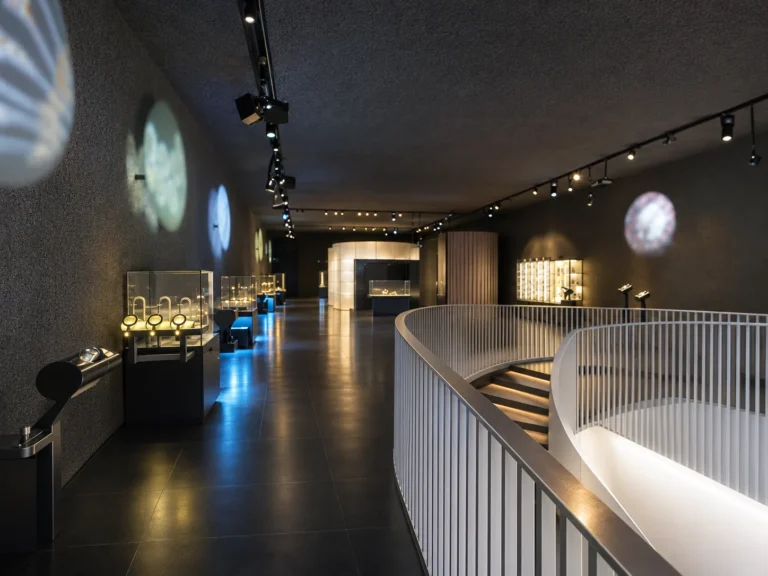
- Micropia’s upper gallery with a white railing and dim displays. Eric de Redelijkheid (CC BY-SA 2.0) → CC BY-SA 4.0
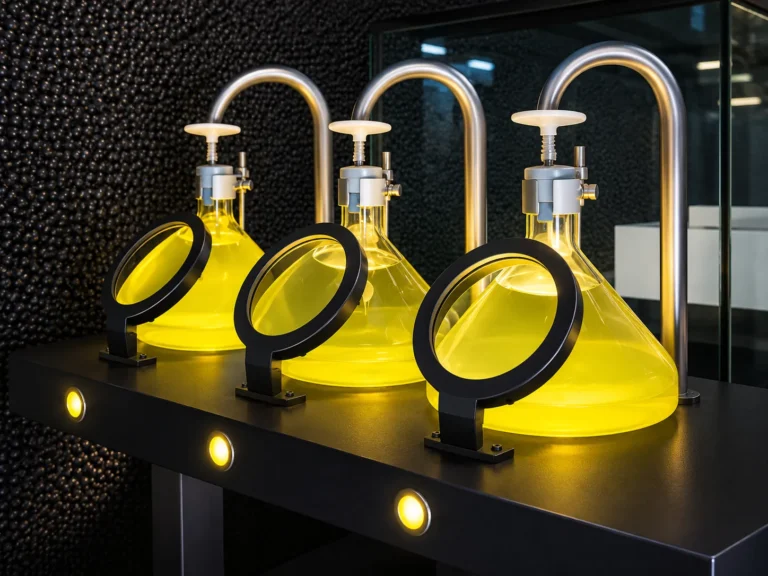
- Three circular magnifiers over yellow display mounts. Dmitry Eliuseev (CC BY 2.0) → CC BY-SA 4.0
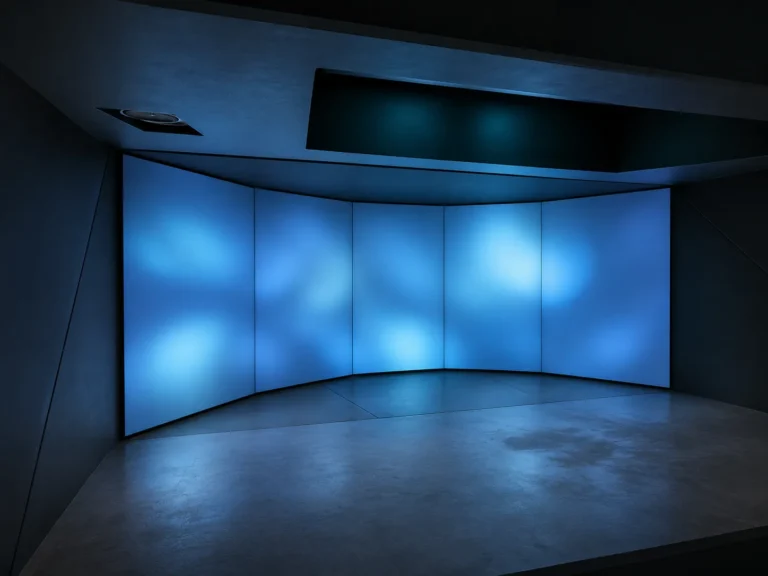
- Blue light on a curved set of screens in Micropia. Eric de Redelijkheid (CC BY-SA 2.0) → CC BY-SA 4.0
- Glowing round display fronts in black frames. Ciotu Cosmin (CC BY-SA 4.0) → CC BY-SA 4.0
- Counter and illuminated display cases in the museum gallery. Nadine Ranger (CC BY-SA 4.0) · Eric de Redelijkheid (CC BY-SA 2.0) → CC BY-SA 4.0
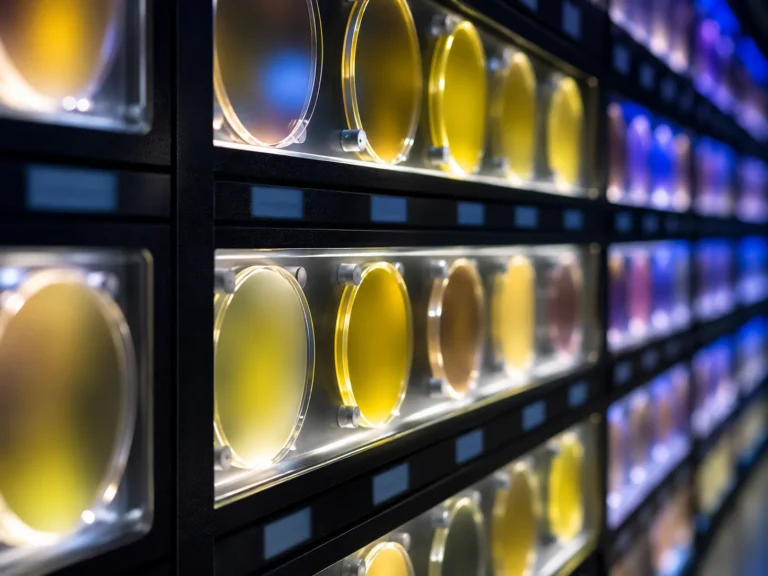
- Close view of several illuminated circular display rims. Yann Caradec (CC BY-SA 2.0) · Ciotu Cosmin (CC BY-SA 4.0) → CC BY-SA 4.0
Why a museum of microbes opened on Artisplein
Micropia opened in 2014, the same year Artisplein became freely accessible. In the history of ARTIS, that opening is part of the institution’s development from a members’ society to a place where the city can explore natural history. The museum uses part of the Ledenlokalen, a nineteenth-century building associated with the society. The public square has its own identity, with the old building fronts visible from outside the museum.
The exhibition designers describe the task as making living organisms visible in a visitor setting. Microscopes and illuminated displays bring tiny forms into view. The dark surroundings can make the lighted stations stand out, while the choice of what to magnify changes the pace of looking. When you have travelled from Amsterdam Centraal through the busy streets, it is a noticeably different pace from walking around the city.
Artisplein also works as a point from which to choose where to go next. Take a little time in the square after Micropia and look at the separate entrance to Groote Museum. The Hortus Botanicus is nearby if you want to continue looking at living things in a different setting. The National Maritime Museum is a useful independent stop if your afternoon takes you towards the harbour.
Visitor tip: On a mixed day indoors and outdoors, treat Micropia and the zoo as separate visits with a break between them.
Five details to look for at Micropia
1. A microscope turns a few seconds into a longer look
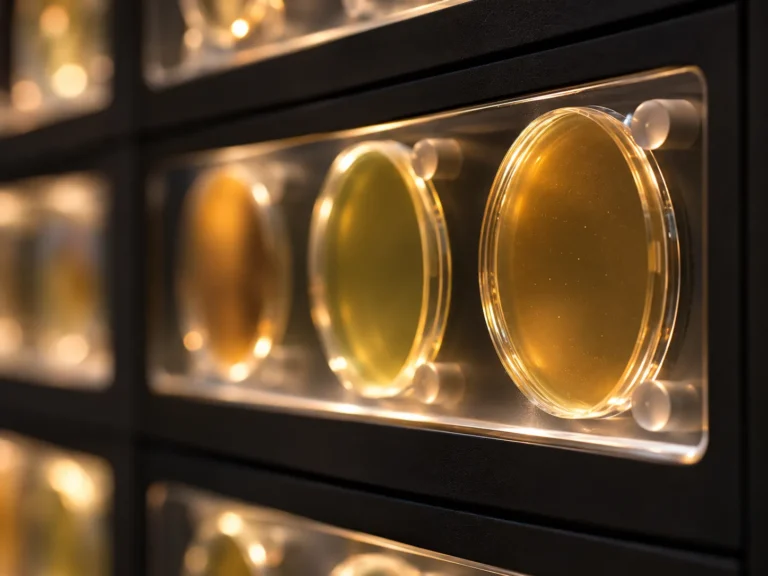
The Micropia displays include living microorganisms. Start by checking the label for what is actually under the microscope. Find one corner or one shape in the field of view and stay with it for a few seconds. Seeing the same area over time helps your eye notice whether anything moves or changes. Try another station with a different-looking subject to compare scale, outline and pace.
A microscope’s field of view is a selected part of a much larger scene. A display may also include an explanatory image or a video of something difficult to see on demand. The labels tell you which kind of view you are seeing. Children can make this a simple observation game. Take turns describing one shape and asking the other person to find it on the screen. That works at walking pace with only a handful of stops.
Visitor tip: At a busy station, wait until there is room to look. One patient look can be more revealing than several quick glances.
2. The Bodyscan makes the microbiome easier to picture
The museum’s Bodyscan display introduces the communities of microbes that live on and in the human body. It gives those communities locations you can point to, from the skin to the gut. The technology illustrates general patterns of the human microbiome. It lets visitors start with their own outline and then ask why parts of the body offer different conditions for microscopic life.
Follow the display with a question about place. Which area is regularly in contact with air? Which area is moist? A microbiome is a community influenced by its surroundings, and the human body has more than one kind of environment. The model gives you an introduction to those differences. Visit another station about microbes outside the body to see the same idea applied to water, soil or another environment.
Visitor tip: Try one region of the body on the display first. That leaves time to look closely at the next station if there is a queue.
3. Familiar food connects the gallery to everyday life
A label about bread, yoghurt or cheese gives you a familiar starting point. Micropia’s visitor pages introduce microbes that help make foods and shape their taste and texture. In bread, yeast produces gas that expands the dough. In yoghurt, certain bacteria change the milk in ways that affect both flavour and consistency. Seeing these examples side by side is a way to understand why the museum spends time on ordinary objects and habits.
After looking at the food displays, compare a familiar example with a display about the natural environment. The most useful connection is that microscopic activity can have visible effects over time. It may change the feel of a food or affect how material breaks down in nature. You can discuss that connection afterwards at a café or on the way to the Amsterdam canals, where the appearance of the water is another reminder that much of an environment is unseen.
Visitor tip: Ask each person to pick one food example they will recognise after leaving the museum.
Micropia’s introduction to the microbe museum
4. The Lab Talk gives one topic time to develop
The Lab Talks programme brings a museum technician out to talk about part of the living collection. The museum usually lists several sessions a day, each about 20 minutes. Check the schedule for the date of your visit and ask at the desk about language if that matters to your group. This is a good chance to hear why the museum has chosen a particular organism or display.
One way to use a talk is to spend the first part of the visit looking at two or three examples, then listen with one of those examples in mind. Ask how the technician recognises what is in a magnified view or how large the subject is compared with an everyday object. The answer can help you understand labels as you continue round the gallery. Leave time after the talk to return to a favourite display.
Visitor tip: Fit a talk into the middle of your visit so you can look at some examples before it and return to the galleries afterwards.
5. The stamp trail gives families a route through the gallery
The microbe stamp trail has 30 different stamps that visitors can collect on paper. Each stamp is a reason to pause at a station. Pick up a card at reception and look for the stamp points while you walk. Younger visitors can choose their next stop from the shapes on the card, and adults can use the markers as reminders to look at the names and labels nearby.
You can use the trail without gathering every mark. Choose two stamps that look different and ask what could help you match the stamps to the exhibits. Similar outlines can belong to very different forms of life, so check the label and where the organism lives. At the end, you can put the card in the scanner downstairs to see your selection on the large screen. The card gives you something to compare with another science visit, such as NEMO Science Museum.
Visitor tip: Let children choose a favourite stamp on the way out and tell you what they remember about the display it came from.
Street View at the corner of Artisplein
Open the panorama in Google Maps
A temporary display connects Micropia and the Rijksmuseum
The Night Watch Lives is scheduled to run at Micropia until the end of May 2027. The museum and the Rijksmuseum collaborated on this installation about microorganisms found on the surface of Rembrandt’s painting. The exhibit brings the initial findings together with a life-size reproduction. If this is part of the reason for your visit, check the exhibition dates before booking.
The original is at the Rijksmuseum. You can visit both places to follow different parts of the same story. At Micropia, look at the relationship between a painted surface and the environment around it. At the Rijksmuseum, look at the work’s scale and the way it is cared for. Leave a gap between the visits if you want to spend time with both settings.
Ten practical tips for visiting Micropia
- Choose the right entrance. Go to Artisplein at Plantage Kerklaan 36. ARTIS Zoo’s main entrance at 38–40 is around the corner. Check the official arrival instructions.
- Choose the right ticket. The calendar on this page offers the separate Micropia admission. Check the museum’s ticket information for child admission and combination tickets.
- Plan about one to one and a half hours. This is the museum’s estimate for most visitors. Add time for a Lab Talk or a slower route through the exhibits.
- Check the hours on your date. The museum normally opens from 10.00 to 17.00. See the opening hours if you are travelling around a holiday.
- Check when a Lab Talk starts. ARTIS publishes the current times in the Lab Talks programme. Arrive early enough for the museum entrance and the first displays.
- Use the accessibility information. ARTIS lists a lift, accessible toilets and a wheelchair to borrow at Micropia. Check the accessibility page for current details and availability.
- Ask about a quieter visit if lighting or sound matters. The displays use dark areas and illuminated screens. The museum’s access information describes its facilities and ways to prepare.
- Check public transport from your starting point. Tram 14 normally serves ARTIS. Waterlooplein is another option. Use the GVB journey planner for current routes and departures.
- Pair Micropia with one nearby stop. Hortus Botanicus fits a visit about living things. A stroll towards Dam Square or a canal cruise is another way to spend the rest of the day.
- Leave time between indoor visits. A separate time block for the zoo or another museum lets you stay longer for a talk. If you are cycling between stops, our Amsterdam bike hire guide covers the practical details.
Frequently asked questions
Do I need an ARTIS Zoo ticket to visit Micropia?
A separate Micropia ticket is enough for the microbe museum. Use the entrance on Artisplein. If you want to enter the zoo as well, choose a combination ticket or arrange separate admission. The two entrances are close to one another but lead to different parts of ARTIS.
How long does it take to visit Micropia?
ARTIS suggests about one hour to one and a half hours for most visits. This gives you time to try several microscopes and explore the interactive displays. Leave extra time for a Lab Talk and for groups that want to spend longer with the stamp trail.
Can children visit Micropia for free?
ARTIS lists free entry to Micropia for children up to and including age 12. Check how to include a child when buying your chosen ticket, because combined products can have different prices and conditions. The stamp card and individual microscope stops can help children choose what to explore.
Is Micropia wheelchair accessible?
ARTIS says most parts of Micropia are accessible by wheelchair or mobility scooter. Its facilities list includes a lift and an accessible toilet. There is one wheelchair to borrow at the museum, subject to availability. See the current accessibility guide if you want to ask about a route, borrowing equipment or other facilities.
Is the original Night Watch on display at Micropia?
The temporary display uses a life-size reproduction of Rembrandt’s painting alongside the research findings. The original painting is at the Rijksmuseum. ARTIS lists the installation at Micropia until the end of May 2027, subject to its published schedule.
Sources
Visitor information checked on 22 November 2026. The images are illustrations based on credited photographs. Interior images illustrate the setting and display furniture.