
When you visit the Dutch capital, experiencing the local food scene is an absolute must. Among the many culinary staples, the traditional Dutch pancake holds a special place in the hearts of locals and visitors alike. However, the landscape of Pancake Houses Amsterdam has evolved significantly over the past two decades.
The city has seen a shift from old-fashioned, rustic family restaurants to sleek, modern chains that combine traditional recipes with contemporary dietary trends and urban aesthetics. You will find locations offering everything from classic buckwheat batters to elaborate, highly visual culinary creations. This guide dives into the history of this beloved dish and highlights the modern chains that are currently dominating the Amsterdam pancake scene.
In this blog:
The Evolution of Dutch Pancake Houses Culture
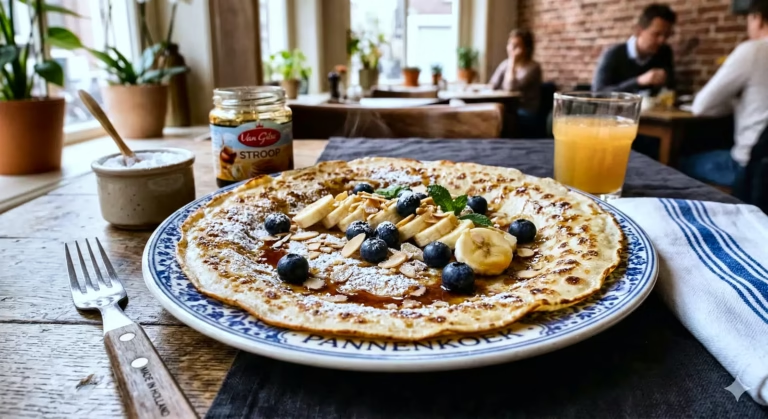
The story of the Dutch pancake, or pannenkoek, is deeply rooted in European history and agricultural traditions. Unlike the thick, fluffy American pancakes or the paper-thin French crêpes, the Dutch pannenkoek sits right in the middle. It is typically large, often reaching up to a foot in diameter, and boasts a dense, satisfying texture. The base ingredients historically included flour, milk, salt, and eggs, but the defining characteristic of the traditional Dutch recipe was the prominent use of buckwheat. Buckwheat is a hardy plant that thrives in poor soil conditions, making it a staple crop in the Netherlands and surrounding regions during the 15th and 16th centuries.+415
Farmers and working-class families relied heavily on buckwheat flour to create filling, nutritious meals that could sustain them through long days of physical labor. Over the centuries, the standard recipe began to shift slightly, incorporating regular wheat flour to create a lighter batter, though many authentic recipes still use a blend of both. You will notice that traditional Dutch pancakes are rarely eaten plain.
They are typically baked with the toppings directly embedded into the batter. Slices of bacon, tart apples, and aged Dutch cheese are poured over with the liquid batter in the pan, ensuring the flavors meld perfectly during the cooking process. Once served, locals often finish the dish with a generous pour of appelstroop (a thick, unspiced apple butter) or dark sugar beet syrup. This long-standing culinary tradition laid the groundwork for the modern restaurant scene we see today.
How to get there?
Plan my journey

From Traditional to Modern: The Rise of Pancake Houses
For many years, pancake restaurants in the Netherlands were almost exclusively characterized by highly traditional, old-fashioned interiors. You would typically find dark wooden furniture, Delft blue tiles, and a rustic farmhouse aesthetic. These establishments catered heavily to families with young children, often featuring play areas and menus heavily focused on sugary, simplistic toppings. While these classic establishments still exist and hold nostalgic value, the culinary landscape in Amsterdam began to shift dramatically in the early 2000s. A new generation of entrepreneurs recognized the potential to elevate the humble pannenkoek into a modern, high-quality dining experience suitable for adults, food enthusiasts, and international tourists.
This shift brought about the rise of modern pancake chains. These new establishments moved away from the rustic farmhouse look, opting instead for bright, minimalist interiors, modern Dutch design, and urban art. The menus underwent a similar transformation, moving beyond basic bacon and syrup to include internationally inspired ingredients, savory culinary combinations, and high-quality, locally sourced produce.
You will now find pancakes topped with smoked salmon, guacamole, matcha powder, or sophisticated cheese blends in pancake houses. This modernization also involved a strong focus on branding, social media presence, and strategic locations in high-traffic, trendy neighborhoods. By reinventing the dining experience while maintaining the core of the traditional dish, these modern chains successfully introduced the Dutch pancake to a completely new, cosmopolitan audience.
Why the Dutch Pancakes are Better
PANCAKES Amsterdam: The Pioneer of the Modern Wave
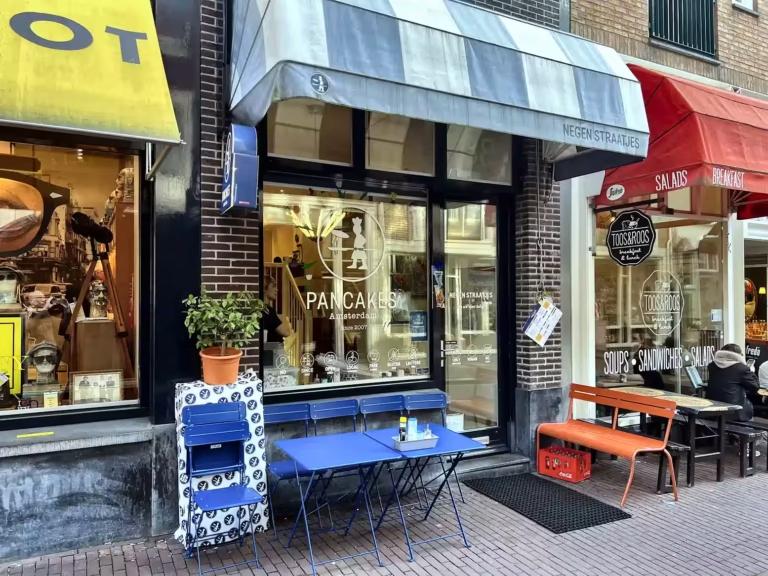
When discussing the modernization of the city’s pancake scene, PANCAKES Amsterdam is widely recognized as the primary pioneer. The founders identified a gap in the market for a pancake house that prioritized fresh, high-quality ingredients and modern aesthetics without losing the essence of the traditional Dutch recipe. They introduced a concept that blended local culinary heritage with surprising international twists. Their menu actively challenges the idea that pancakes are just a simple children’s meal, offering sophisticated flavor profiles that appeal to a broad, adult demographic. The company places a strong emphasis on sustainability, utilizing free-range eggs, fair-trade products, and locally sourced ingredients wherever possible.
Tip: The very first PANCAKES Amsterdam restaurant officially opened on April 30, 2007, at Berenstraat 38.
The dedication to quality extends specifically to their fundamental ingredient: the flour. Instead of using standard commercial bulk flour, PANCAKES Amsterdam invested years into researching and developing their own proprietary flour mix. They partnered with a historic Dutch windmill to ensure the milling process met their exact standards.
This commitment to traditional milling techniques ensures that the base of their pancakes retains an authentic texture and flavor profile, setting them apart from standard tourist establishments. Today, the chain has expanded significantly, operating multiple locations across the city center, including a prominent spot near Central Station and a location in the Zuidas financial district. Each location maintains the company’s signature bright aesthetic and open-kitchen concept, allowing you to watch the baking process firsthand.+3
Tip: The custom flour mix for PANCAKES Amsterdam is produced by Windmill De Windotter in IJsselstein, which has been functioning as a flour mill since 1732.
Amsterdam Hidden Gems
Psss … don’t tell anyone!
BEGIJNHOF
AMSTERDAMSE BOS
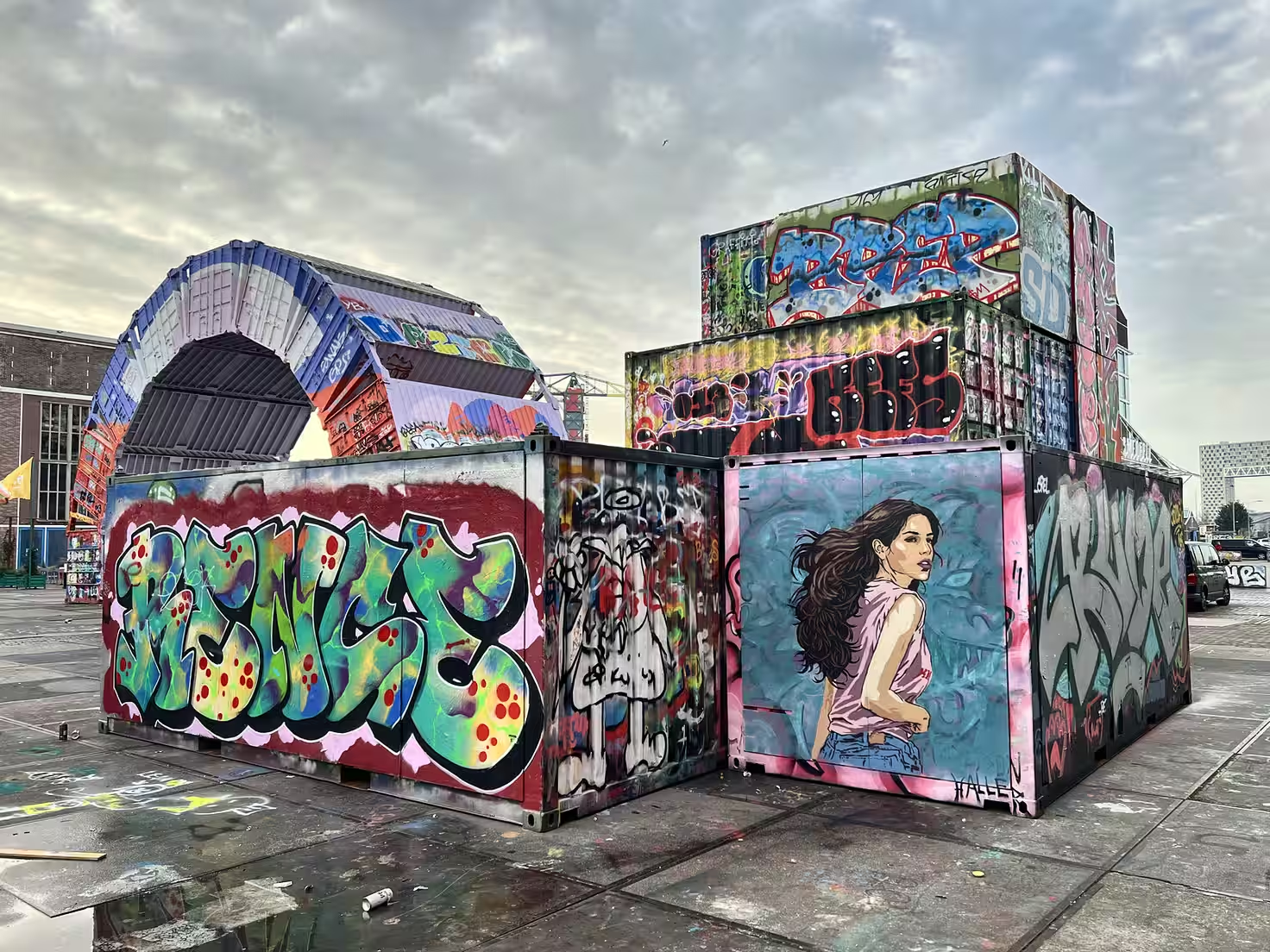
NDSM WARF
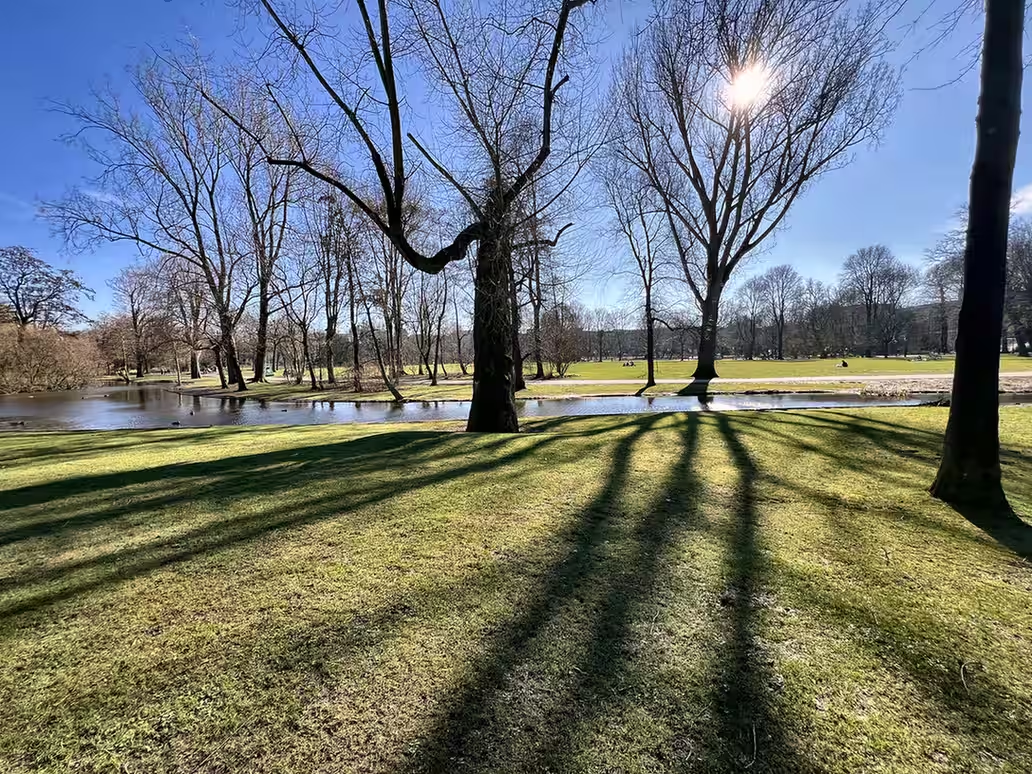
OOSTERPARK
MOAK Pancakes: Urban Vibes and Creative Recipes
Following the success of early modernizers, the Amsterdam pancake scene welcomed another highly distinctive player: MOAK Pancakes. Originally launched under a slightly different name, this chain took the modernization process a step further by heavily integrating urban youth culture, hip-hop music, and streetwear aesthetics into their brand identity. When you step into a MOAK location, you immediately notice the departure from any traditional Dutch restaurant tropes. The interiors are characterized by concrete finishes, lush green plants, neon lighting, and custom spray-paint art created by the founders themselves. The atmosphere is deliberately mellow and relaxed, designed to feel more like a trendy brunch spot in Brooklyn or London than a historic Dutch eatery.
The menu at MOAK entirely rejects the standard flat Dutch pannenkoek in favor of thick, fluffy, American-style pancakes stacked high on the plate. They differentiate themselves by focusing heavily on complex, highly visual toppings and a strict no-refined-sugar policy for their base batters. Instead of traditional syrups, you will find ingredients like fresh fruit, edible flowers, saffron infused syrups, and high-quality melted chocolate. MOAK also places a massive emphasis on freshly pressed, complex juice blends, pairing their heavy pancake stacks with vibrant, healthy beverages. The chain strategically opened its doors in vibrant, culturally diverse neighborhoods, ensuring they attracted a local crowd of young professionals and creatives alongside international visitors.
Tip: MOAK Pancakes City Center, located at Jodenbreestraat 144, is open daily from 08:30 to 15:30.

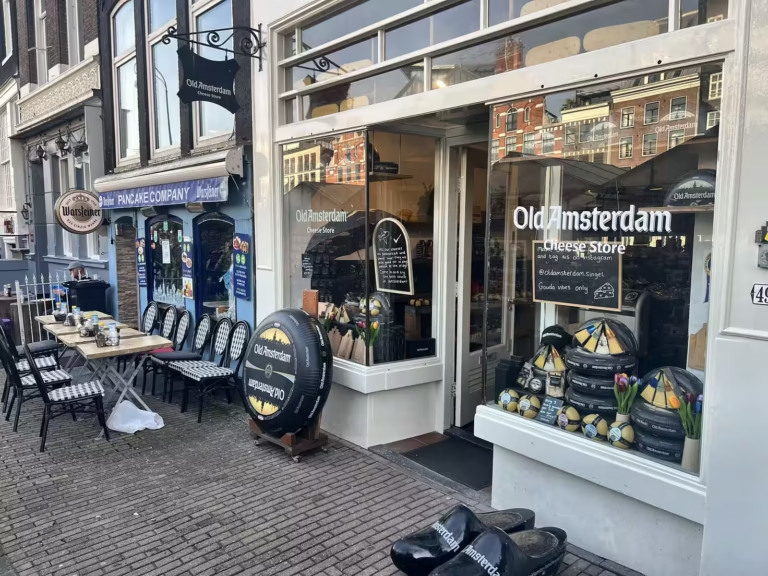

Vegan and Gluten-Free Innovations
As the modern pancake chains evolved, they rapidly adapted to changing global dietary requirements and preferences. In the past, ordering a traditional Dutch pancake meant consuming a heavy dose of dairy, eggs, and gluten, making it inaccessible to many diners. The new wave of restaurants recognized that inclusivity was vital for a modern culinary business. They began experimenting extensively with alternative milks, plant-based egg substitutes, and alternative flours to create batters that mimicked the exact texture and taste of the original recipes. This innovation requires significant culinary skill, as the chemical reactions in baking rely heavily on the binding properties of gluten and eggs.
Today, you can walk into almost any modern pancake location in the city and find comprehensive allergy menus. PANCAKES Amsterdam, for example, was one of the first major chains to successfully develop a fully vegan Dutch pancake that retains the characteristic large, thin structure and crispy edges. They utilize specialized equipment and separate preparation areas to minimize cross-contamination for celiac guests, ensuring a safe dining experience. MOAK Pancakes similarly offers extensive plant-based options, substituting dairy with high-quality oat or almond milks in their American-style stacks. These conscious menu adaptations have cemented Amsterdam’s reputation as a progressive, food-forward city that respects traditional dishes while fully embracing modern dietary science.

Pancake Houses Amsterdam guide with tips and locations
This blog explores the vibrant world of Pancake Houses Amsterdam. You will discover the rich history of Dutch pancake culture, the shift toward modern culinary chains, and detailed facts about the city’s most popular contemporary pancake spots.
Poffertjes: The Bite-Sized Street Food Phenomenon
No exploration of the city’s pancake culture is complete without mentioning poffertjes, the beloved mini-pancakes. While the large pannenkoek is typically eaten as a sit-down meal, poffertjes hold a distinct place as a dynamic street food and festival treat. The history of these bite-sized snacks is fascinating, tracing back to the 18th century. Historical records indicate that monasteries originally developed the recipe to serve as a form of communion bread. The crucial difference in the batter is the inclusion of yeast alongside the traditional buckwheat flour. This addition of yeast causes the batter to rise rapidly when exposed to heat, resulting in a distinctively light, airy, and sponge-like interior that absorbs toppings perfectly.+2
The baking process itself is a highly specialized skill that draws crowds at local markets. Vendors use large, heavy cast-iron plates indented with dozens of shallow, spherical dimples. The chef rapidly squirts the yeasted batter into the blazing hot dimples, flipping them with incredible speed using a specialized two-pronged fork just before the center fully sets.
This technique ensures a slightly crispy, golden-brown exterior while the inside remains soft and warm. Traditionally, poffertjes are served on a small cardboard plate, completely smothered in a thick layer of powdered sugar and topped with a generous block of real butter that melts instantly over the hot pastry. Modern chains have recognized the popularity of this street food and incorporated live poffertjes baking stations into their restaurants, allowing you to enjoy this historic market treat in a comfortable, contemporary setting.
Find a Pancake house in Amsterdam!
Frequently Asked Questions (FAQ)
What is the main difference between a Dutch pancake and an American pancake?
A traditional Dutch pancake (pannenkoek) is much larger in diameter, often reaching up to 12 inches, and has a thinner, denser consistency similar to a thick crêpe. American pancakes are smaller, much thicker, and feature a fluffy texture due to the use of baking powder or baking soda.
Are there gluten-free pancake options available in Amsterdam?
Yes, most modern chains in the city offer gluten-free options. Establishments like PANCAKES Amsterdam provide specific gluten-free batters and maintain separate preparation guidelines to accommodate guests with celiac disease or gluten intolerances.
What is the traditional flour used in historical Dutch pancake recipes?
Historically, the traditional Dutch pancake recipe heavily utilized buckwheat flour. Buckwheat was a common, hardy crop in the Netherlands during the 13th and 14th centuries, and it gives the traditional batter a distinct, slightly earthy flavor.
Can I eat vegan pancakes at modern chains in the city?
Yes, modern chains have adapted their menus to include fully plant-based options. You can find vegan versions of both the traditional thin Dutch pancake and the thick American-style stacks, often made with plant-based milks and egg substitutes.
Leave a Reply