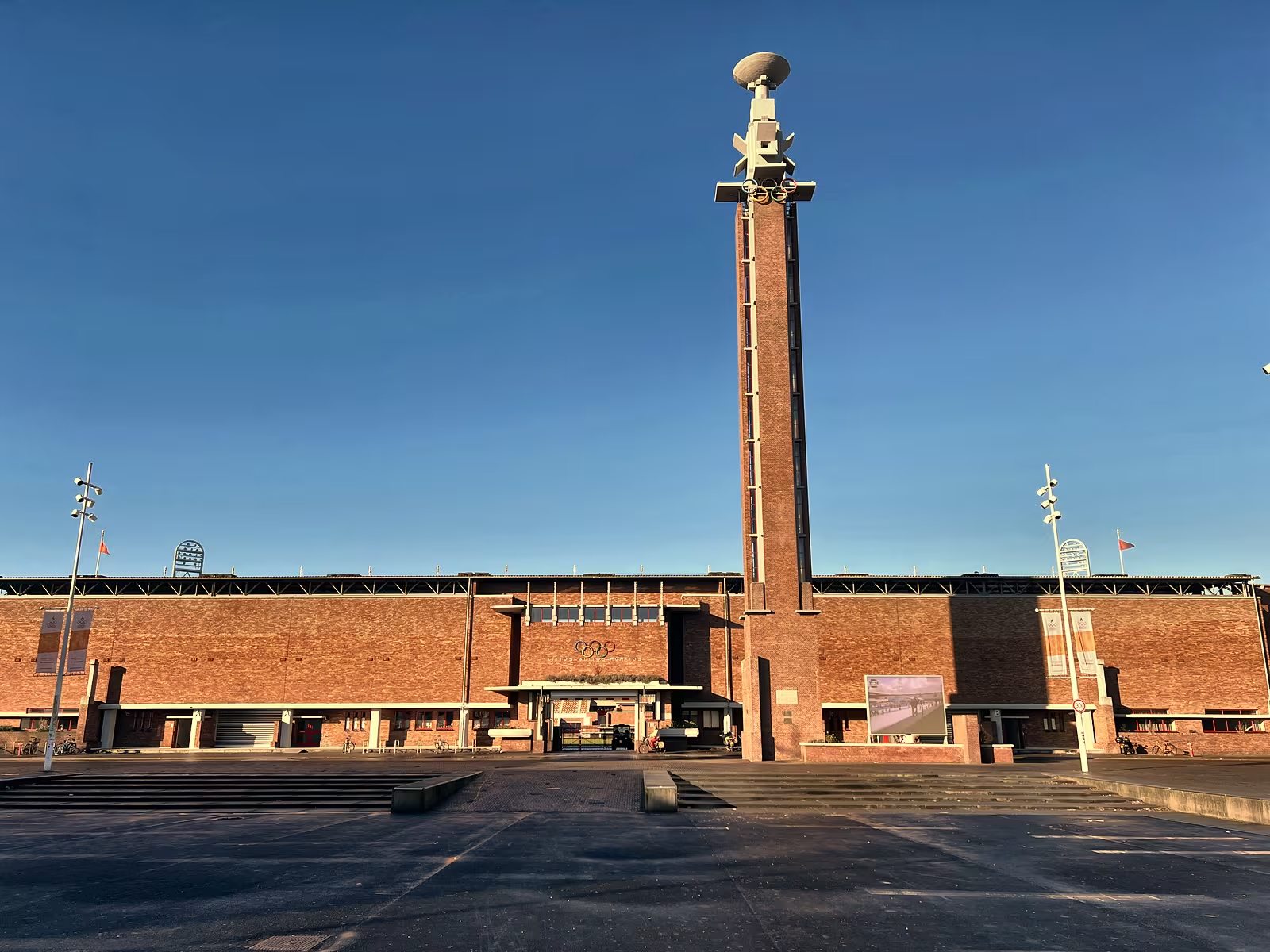




Olympic Stadium Amsterdam, known locally as the Olympisch Stadion, was the main stadium of the 1928 Summer Olympics. Its brick stands and Marathon Tower make it a rewarding stop for anyone interested in sporting history or architecture. Pair a visit with the Bosbaan rowing course in the Amsterdamse Bos for an outing that moves from city streets to open water.
One distinction matters: the Bosbaan was not a 1928 Olympic venue. It opened in 1937; rowing at the Amsterdam Games took place near Sloten. This guide explains the two locations, what to look for and how to plan your visit.
In this guide
Olympic Stadium Amsterdam: quick visitor guide
- Stadium location: Olympisch Stadion 2, Amsterdam Zuid, near Stadionplein.
- What to see: the stadium exterior, Olympic rings, brick architecture and Marathon Tower. Interior access depends on tours and events.
- Bosbaan location: at the northern entrance of the Amsterdamse Bos, south of the stadium.
- Tickets: check the official stadium for interior visits. Ordinary walks along accessible public paths beside the Bosbaan do not require a stadium ticket; rowing events can have separate arrangements.
- Time: as a planning estimate, allow 30–60 minutes for the stadium exterior and 45–90 minutes for a short Bosbaan walk, plus travel. Add time for a booked tour.
- Before leaving: check the stadium visitor information and the Amsterdamse Bos website for current access information.
Start with the kind of visit you want. Looking at the tower and entrance is different from entering the stands or joining a tour. If going inside is essential, arrange that first and build your day around the confirmed booking. For access requirements, contact the venue before travelling rather than assuming that every historic area is step-free.
Book your rental bike
Choose a date and check availability for A-Bike bicycle rental in Amsterdam.
Advertisement · Tiqets
We may earn a commission at no extra cost to you.
The 1928 Olympics and Jan Wils’s stadium
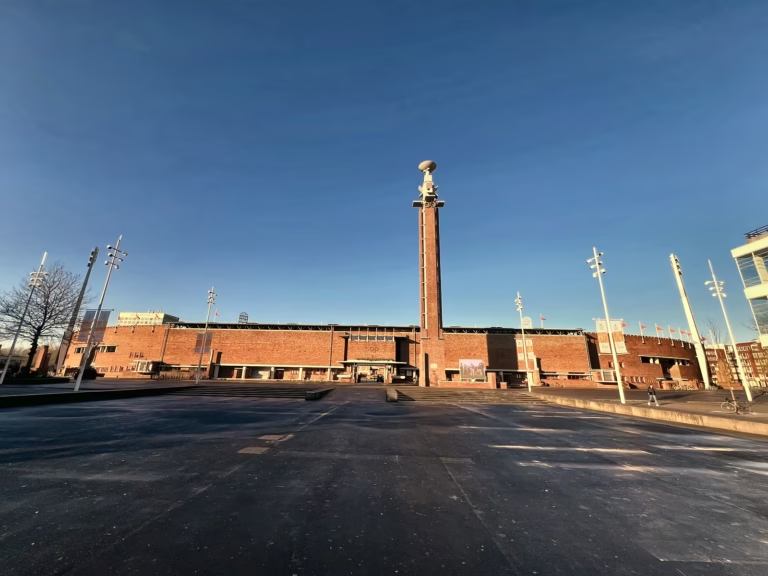
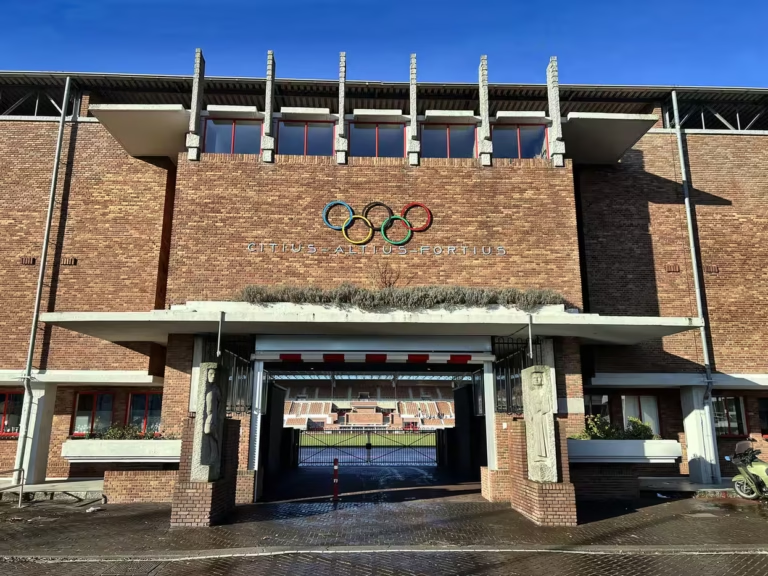
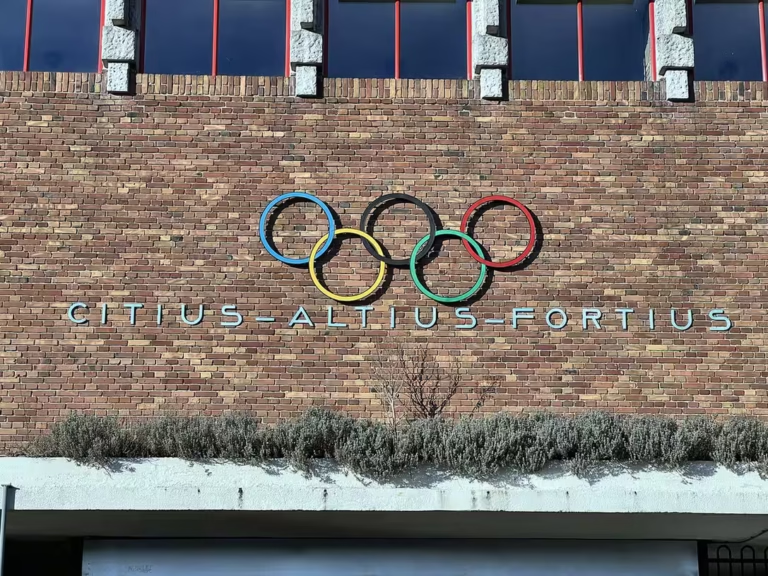
Olympic Stadium Amsterdam was designed by Dutch architect Jan Wils for the 1928 Games. Its low, horizontal brick façades contrast with the tall Marathon Tower beside the entrance. Walk around the accessible exterior and notice how the tower gives the wider stadium complex a clear landmark. The Olympic rings help identify the building’s original purpose without needing an elaborate façade.
Wils received an Olympic gold medal for the design when architecture was part of the Games’ art competitions. The Dutch heritage register describes the complex as an important surviving reminder of the 1928 Olympics and protects its architectural and sporting significance. That makes the building worth a closer look even if you are visiting on a day without a stadium tour.
The 1928 Games also marked the introduction of women’s athletics and gymnastics to the Olympic programme. These milestones give the stadium a place in the history of participation as well as sporting performance. For the wider story of the Games, consult the Amsterdam City Archives account of 1928.
Olympic Stadium Amsterdam continued to be used after the Olympics and later survived plans for demolition. Its restoration allowed it to remain an active sporting location. When photographing it, include the relationship between the tower, entrance and long brick walls: those details tell more about the design than a close-up of the Olympic rings alone.
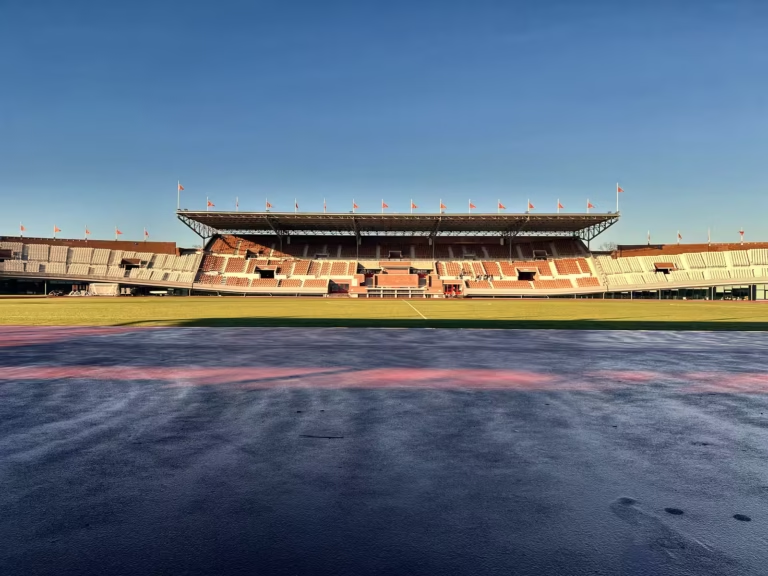
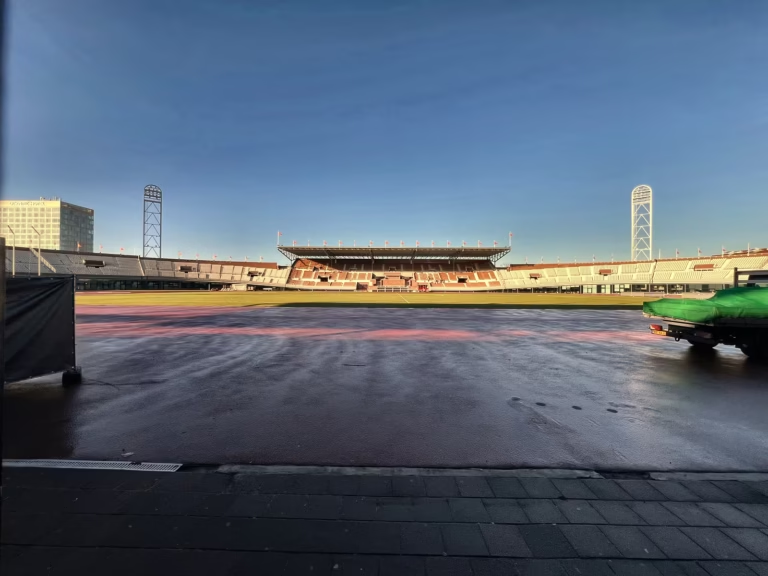
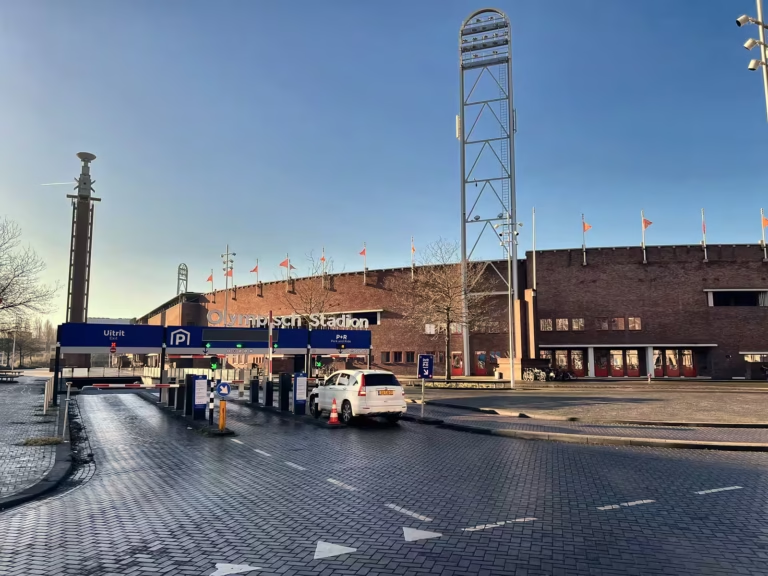
Olympic Stadium Amsterdam in photos
The Olympic flame and Marathon Tower
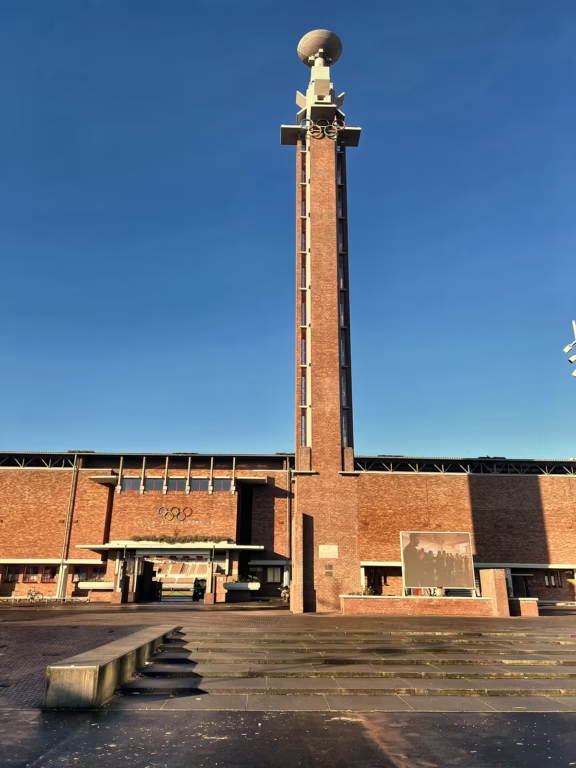
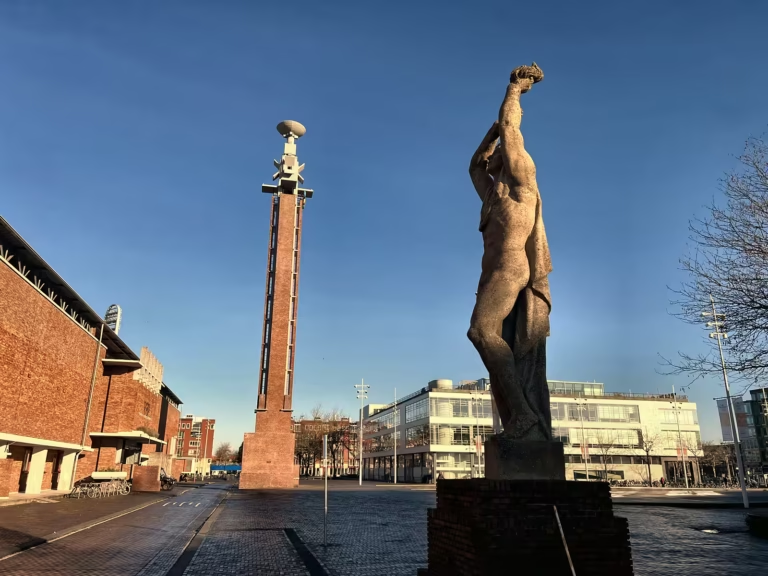
A flame burned in the Marathon Tower during the Amsterdam Games in 1928, establishing the stadium flame tradition at the modern Olympics. The torch relay from Olympia was introduced later, at the 1936 Berlin Games. Keeping those dates separate helps explain exactly what began in Amsterdam. The City of Amsterdam’s history of the Olympic flame describes that distinction.
Look up at the bowl on top of the tower from the public forecourt. Treat a view of the tower as part of an exterior visit: access inside or to the top should only be expected when the venue explicitly offers it. The stadium’s current tour information is the place to check what a particular visit includes.
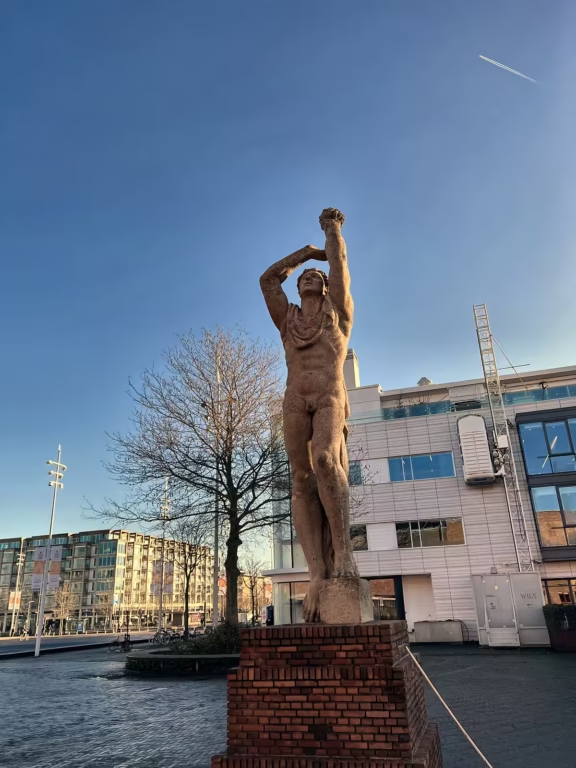
The Marathon Tower and stadium monuments
The Bosbaan: rowing history in the Amsterdamse Bos
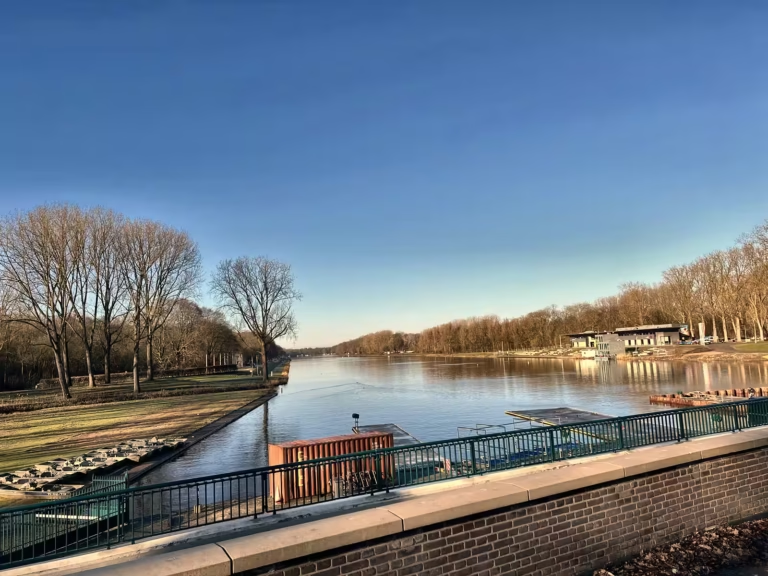
The Bosbaan is a purpose-built rowing course in the Amsterdamse Bos. Work began in 1934 and the first rowing competition took place on 6 May 1937. At about 2.2 kilometres long, the straight stretch of water has a very different character from the canals of central Amsterdam.
Its construction was part of the forest’s employment-relief programme during the economic crisis of the 1930s. The City of Amsterdam records that unemployed men were compelled to take part under harsh working conditions. This social history deserves attention alongside the later sporting achievements associated with the course.
The Bosbaan has since been widened for international rowing and is used for training and competition. The municipality’s history of the Bosbaan explains its development. On a non-event day, begin with the view down the course and follow the accessible waterside paths for as long as suits your visit.
A full circuit is a longer outing than a brief stop at the water. You can turn back along the same path rather than commit to going around the entire course. During competitions, follow signs and event stewards because spectator areas and normal walking routes may differ. Continue into the forest using our Amsterdamse Bos guide if you want a longer outdoor day.
Combine the stadium and Bosbaan
For a flexible half-day, start at Olympic Stadium Amsterdam, explore the exterior and take a tour if you have booked one. Then head south towards the northern entrance of the Amsterdamse Bos and the Bosbaan. Leave room for a break rather than using a timetable that assumes tours are available at a particular hour.
- By bicycle: plan a route between Olympisch Stadion and the Bosbaan in a current cycling planner. Allow extra time for junctions, finding bicycle parking and returning a rental.
- By public transport: compare journeys to Stadionplein or Amstelveenseweg and onward to the Bosbaan in a current journey planner. The best connection depends on your starting point.
- On foot: the transfer is a separate walk, rather than a short stroll between neighbouring attractions. Check the distance for your chosen route before setting out.
Use the official Olympic Stadium website for venue information. For another sporting visit, see our Johan Cruijff ArenA guide; that stadium is in a different part of Amsterdam and needs its own travel plan.
More Amsterdam experiences
See the city from the canals or explore its brewing history at the Heineken Experience. Choose an activity that fits the rest of your itinerary.
Frequently asked questions
Can you visit Olympic Stadium Amsterdam?
You can see the exterior from surrounding public spaces. To go inside, check the official stadium website for tours, events and current access conditions; the stadium is an active venue.
Was the Bosbaan used for the 1928 Olympics?
No. The Bosbaan opened in 1937. Olympic rowing in 1928 took place on the canal near Sloten, so the stadium and Bosbaan belong to different chapters of Amsterdam’s sporting history.
Is the Olympic flame still burning in Amsterdam?
The Marathon Tower marks where a flame burned during the 1928 Games. Do not expect a permanently burning Olympic flame during an ordinary visit.
Is the Olympic Stadium the same as the Johan Cruijff ArenA?
No. The Olympic Stadium is the historic 1928 venue in Amsterdam Zuid. The Johan Cruijff ArenA, Ajax’s modern home stadium, is in Amsterdam Zuidoost.
How long should you allow for both locations?
Allow about half a day for the stadium exterior, travel and a short Bosbaan walk. A booked stadium tour or a longer forest walk needs additional time. This is a planning estimate rather than a fixed tour duration.
Sources and further reading
Historical sources and official visitor information are listed below. Check the venue websites again before travelling, as access and event arrangements can change.

Leave a Reply