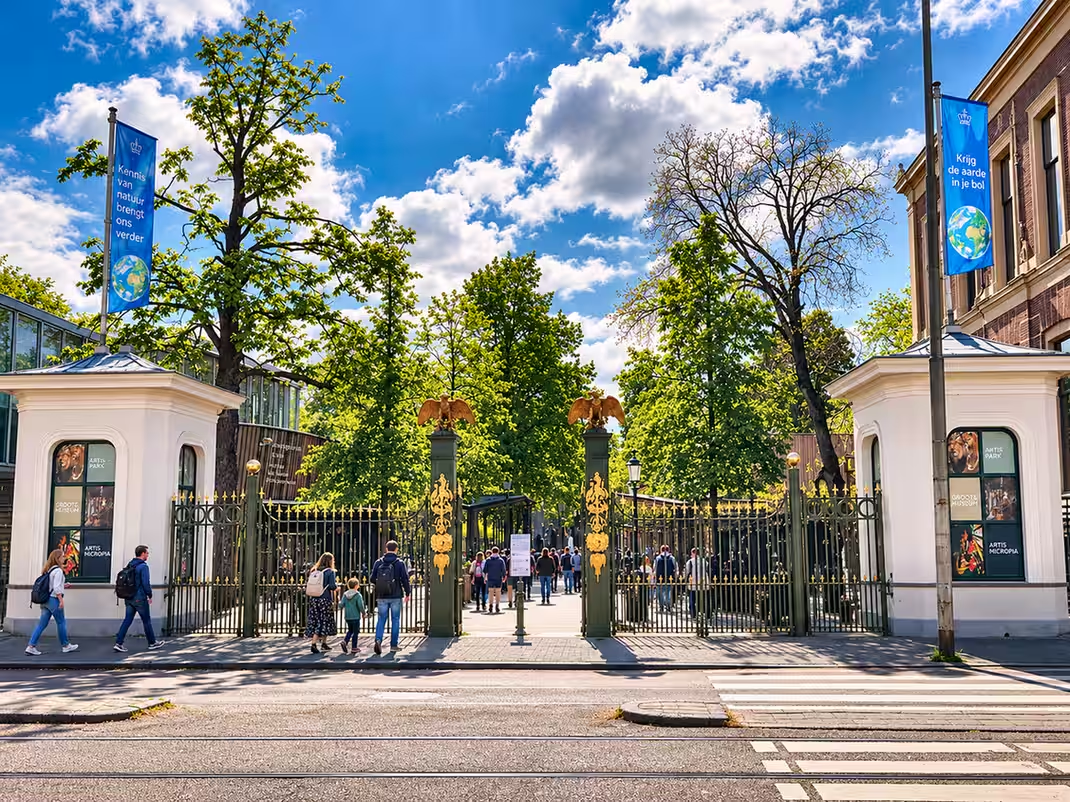




Visiting ARTIS Amsterdam with kids works best when you choose a few highlights and leave room for stops. This historic zoo in the Plantage neighbourhood combines animal habitats with gardens, monumental buildings and indoor discoveries. Start at the entrance gate, use the current map and build the day around your children’s interests. The route below is a planning suggestion, not a prescribed walking circuit or a promise that every animal will be visible.
In this guide
Visiting ARTIS Amsterdam with kids: start with the gate and map
Before choosing a route, agree on three priorities. A child who wants elephants, butterflies and underwater views needs a different day from a teenager interested in architecture and microbes. Let everyone choose one stop, then look for a sensible connection on the official ARTIS map. It is easier to add another stop later than to rescue an ambitious checklist halfway through the afternoon. Leave the decision about a second museum until you know how much attention and energy remain.
The supplied entrance photograph shows the historic ARTIS gates. Use it to recognise the setting, rather than as a guarantee of the exact queue arrangement on your visit. Once inside, take a moment away from the entrance flow to locate toilets, a place to eat and a convenient meeting point. With older children, agree what to do if someone becomes separated. A clear meeting place and a charged telephone are more useful than expecting everyone to remember every turn in an unfamiliar park.
Treat the separate map photograph below as an overview of the grounds. Its capture date is unknown, so exhibit names, pathways and facilities may differ today. Open the current interactive map before relying on it for navigation. On a phone, the full photograph is useful for understanding the overall shape; the live map is better for checking an individual destination. Do not turn the printed arrangement into a fixed route if a barrier, accessibility need or staff instruction points another way.
A manageable family visit might have three parts: an initial animal-focused walk, a proper meal break, and one indoor highlight followed by a final favourite. Allow roughly four to five hours as your own planning allowance, with a shorter version for toddlers. This is not an official minimum or a measured circuit. Stop earlier if interest fades. A relaxed encounter that sparks questions can be more memorable than passing another ten exhibits while everyone is tired. Keep the exit journey as simple as the arrival.

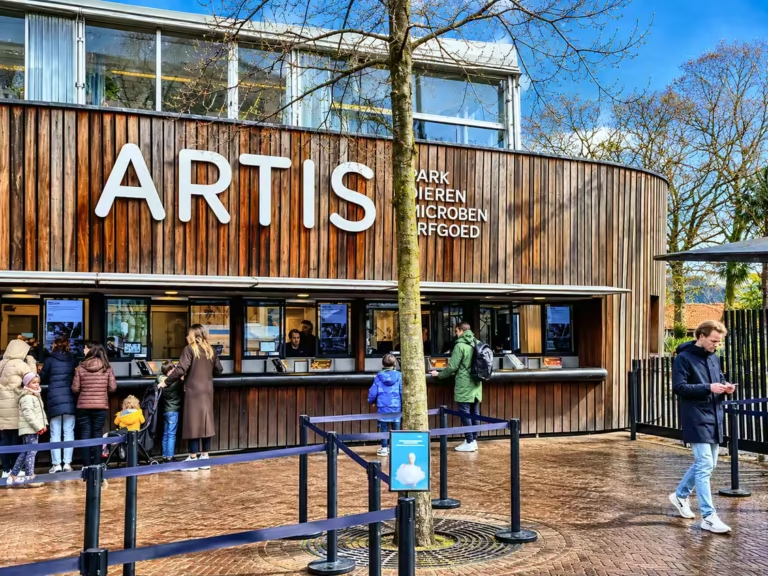


Read the historic zoo as a green part of Amsterdam
ARTIS began in 1838 as a zoological society. Its name comes from Natura Artis Magistra, connecting nature with learning. The official history also explains that access initially centred on members. That background gives families a useful question to discuss: who could enjoy places like this in the nineteenth century, and who can use them now? The answer is more interesting than treating the gate simply as a decorative photograph on the way to the animals.
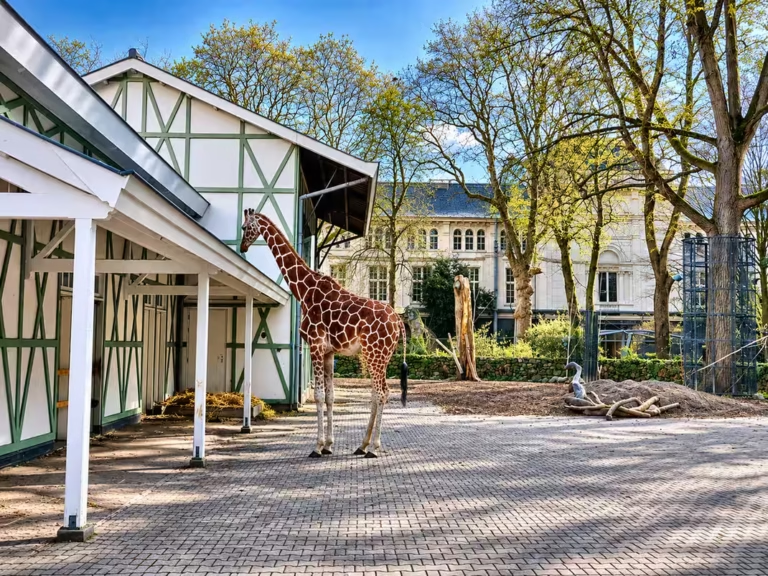
Look at the relationship between buildings, trees and paths. In the supplied photographs, giraffes appear beside architecture, benches sit along planted walks, and water separates areas of the park. These are useful visual clues to an urban zoo where space is shared among animals, visitors, plants and heritage. Ask children to find a doorway, a leaf shape and a reflection they would draw. Looking for small details gives a quieter child an equally meaningful activity alongside a sibling who prefers the large mammals.
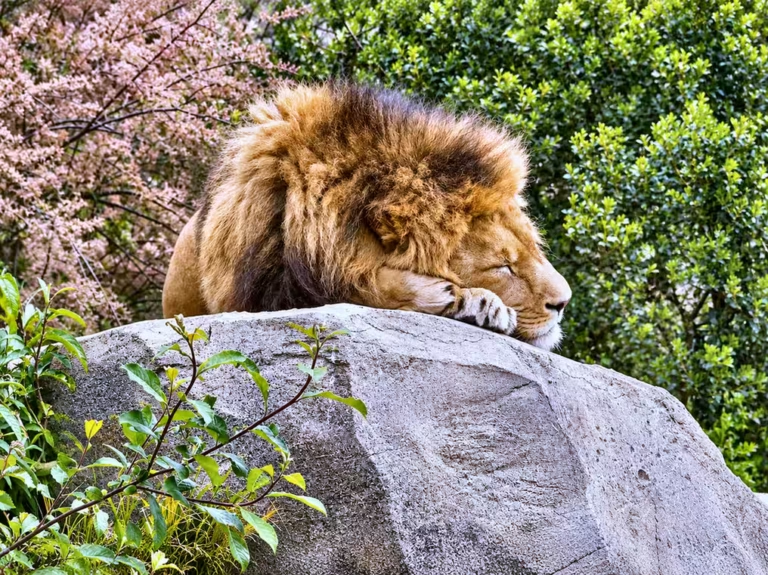
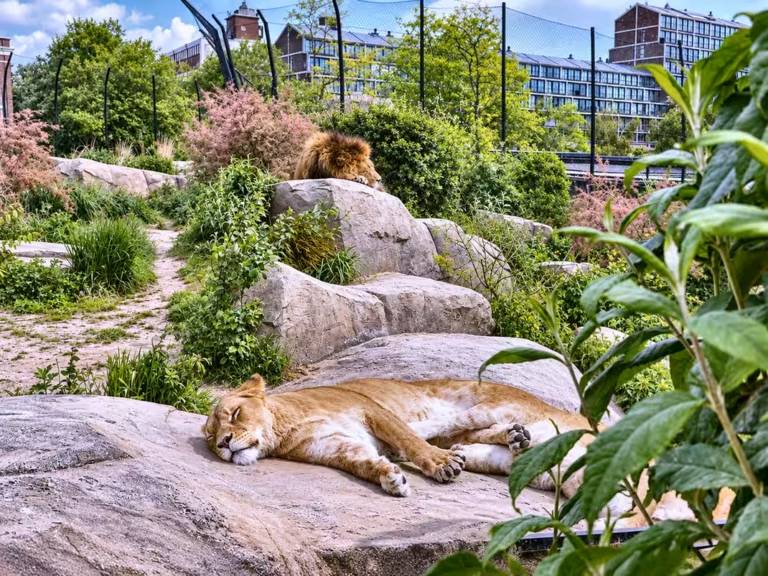
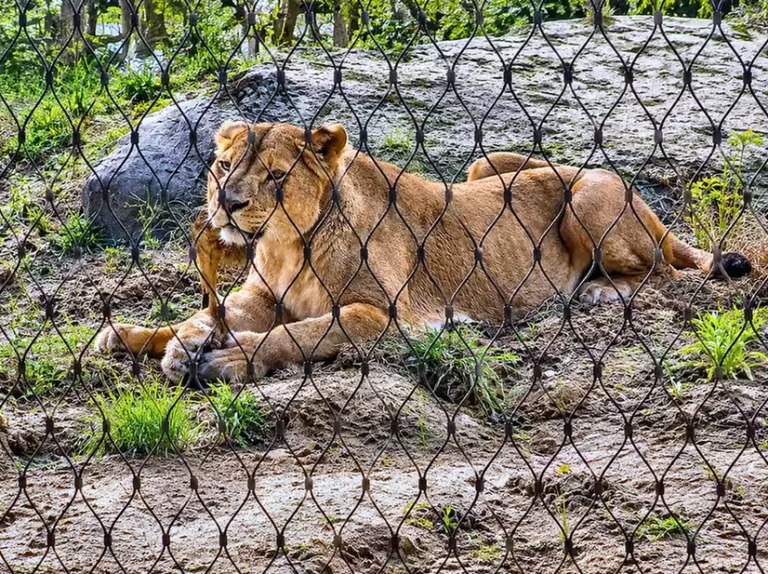
Historical surroundings also deserve a thoughtful reading. An old building can be attractive without representing the standards expected of animal care today. A photograph of a previous enclosure is a record of one moment, not evidence of the current habitat or its quality. ARTIS opened a new lion habitat in 2023. When comparing the supplied lion images with what you see now, use that change as an invitation to ask how zoos adapt, rather than assuming that nothing has changed.
The green setting can also connect this day to the rest of Amsterdam. Families who enjoy noticing plants might choose the Hortus Botanicus for a separate outing. If the children mainly need space after sightseeing, consider another day in Oosterpark. These are alternatives, not obligations to fit around the zoo. Keeping a neighbouring attraction for tomorrow can make a city break feel less crowded and give everyone a clearer memory of each place.
A video tour of ARTIS
ZSHzootours, published 30 August 2026. This independent tour gives a visual introduction; routes and exhibits may change.
Watch the animals without chasing a checklist
Begin an encounter by standing still. Invite children to describe what they actually see before reading the label or naming an emotion. Is the animal walking, feeding, resting or looking towards another animal? Those observations are different from saying it is happy, bored or performing for the crowd. A short conversation about what cannot be known from a quick glance makes the visit more thoughtful. It also means an apparently quiet habitat does not automatically become a disappointing stop that must be replaced by something more dramatic.
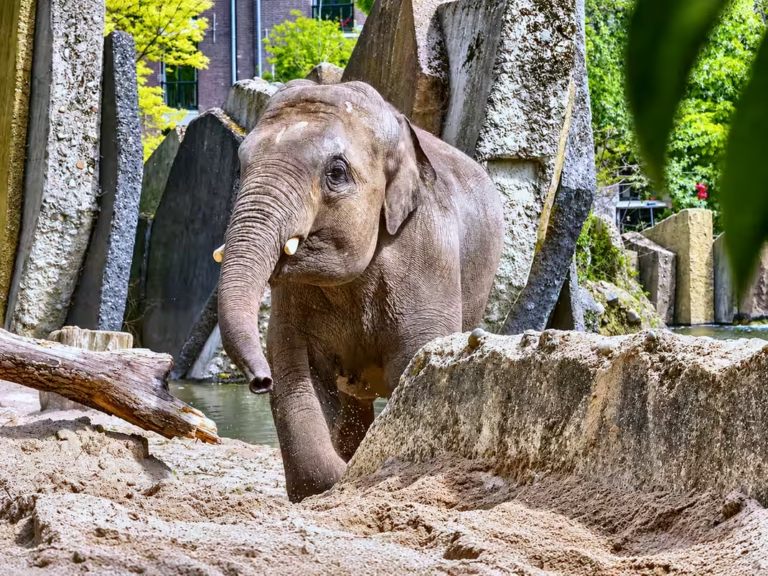
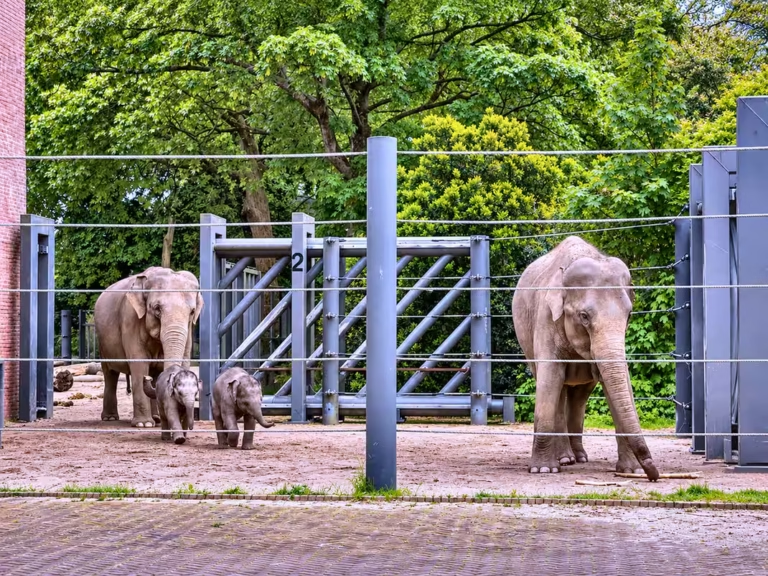
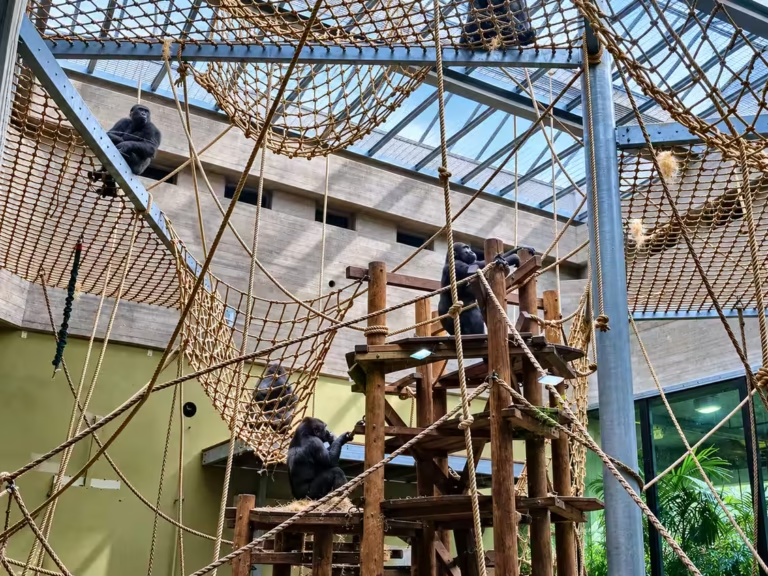
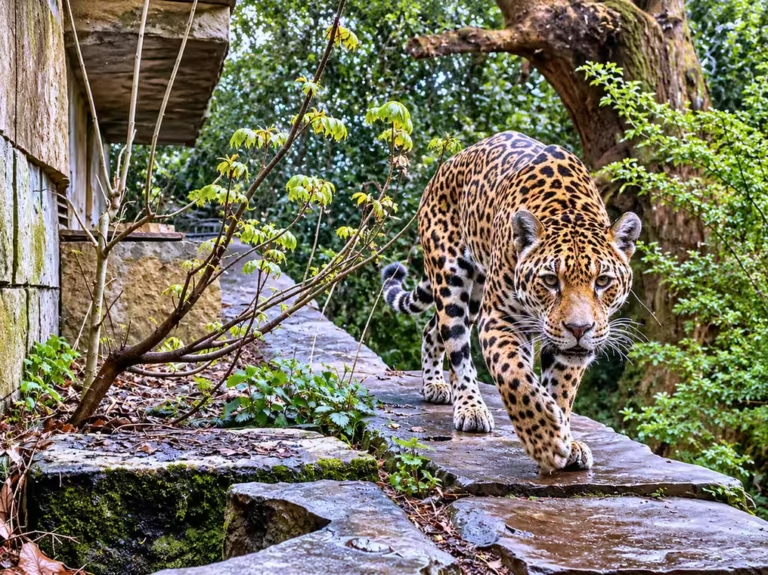
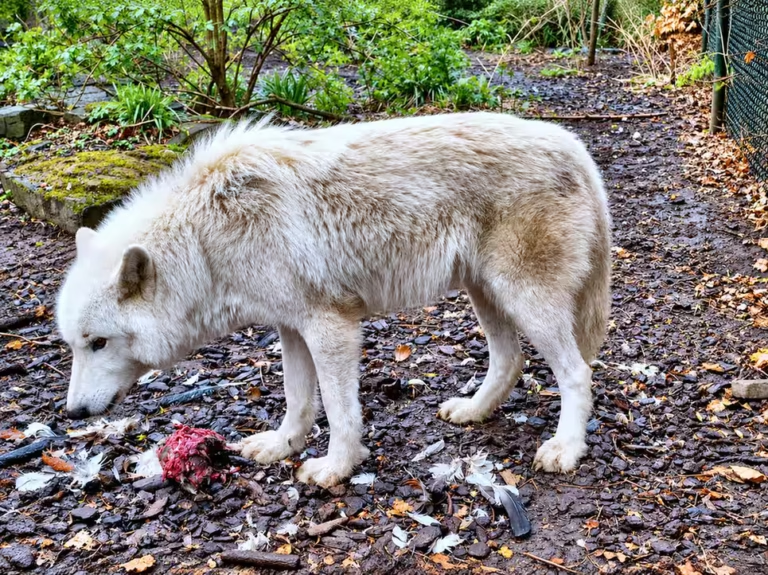
The photographs offer plenty of starting points: an elephant beside sand and rocks, giraffes near a building, gorillas around climbing structures, and large cats resting or moving through greenery. Do not promise a particular position or sighting. Animals can choose sheltered spaces, and work around a habitat can alter what visitors see. If a favourite is hidden, move on and consider returning only when the route makes that easy. Waiting indefinitely for a photograph can turn a flexible family day into a frustrating stakeout.
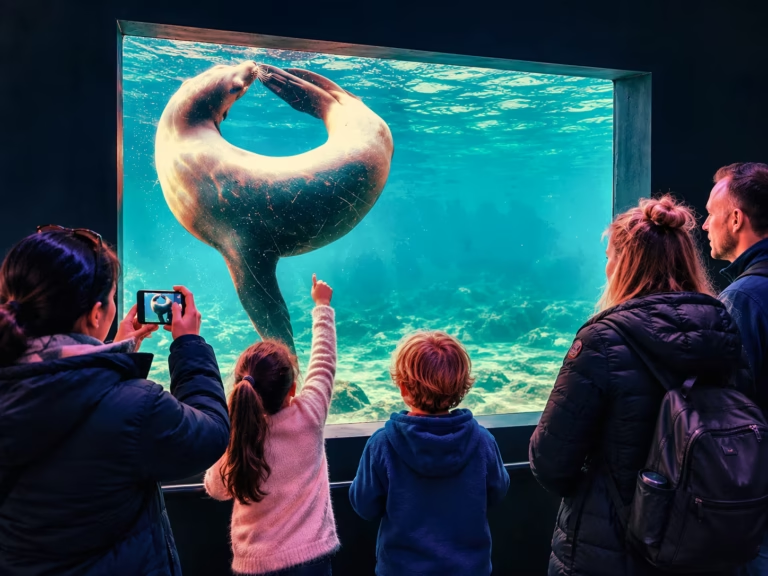
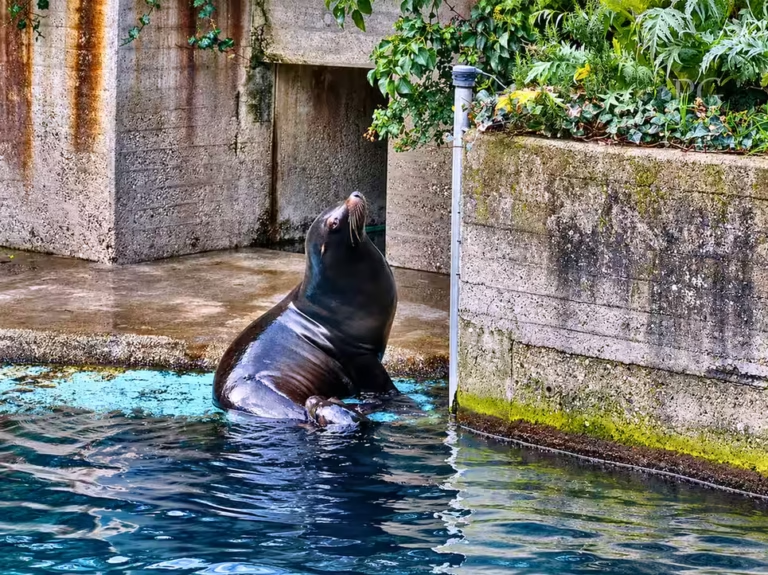
At underwater windows, make room for smaller visitors and avoid blocking the view with a pushchair. The supplied sea-lion images show children watching from beside and below the water. Use that contrast to ask how a moving animal looks different from different angles. Avoid tapping on glass or trying to attract attention with food. Keep snacks for the family. Ask staff about any activity that appears unclear rather than interpreting it as a public feeding opportunity. Respect barriers even when an open view looks tempting for a better camera angle.
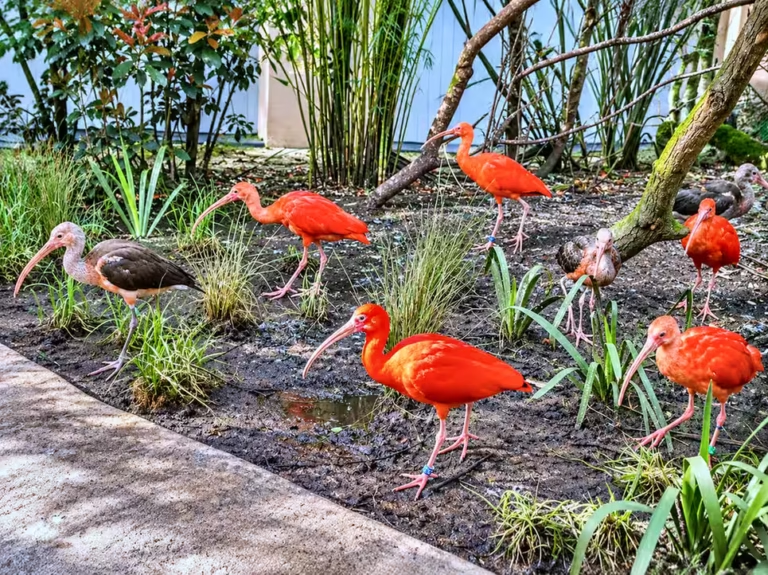
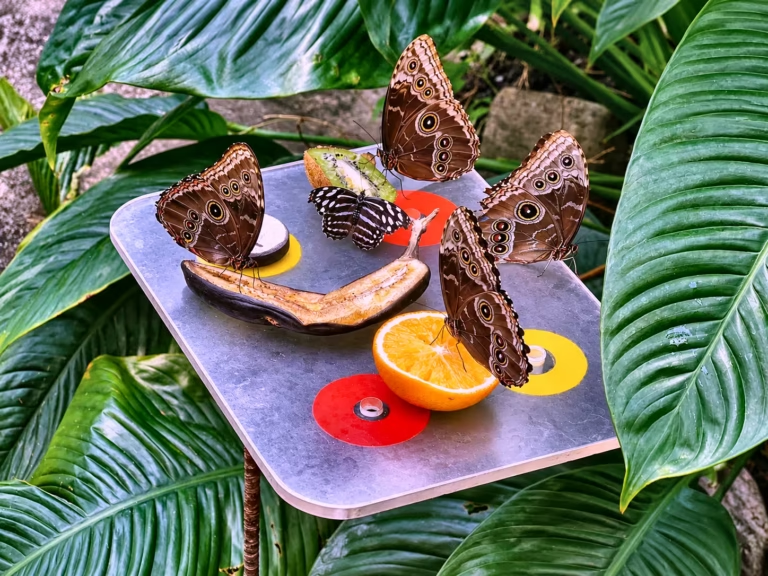
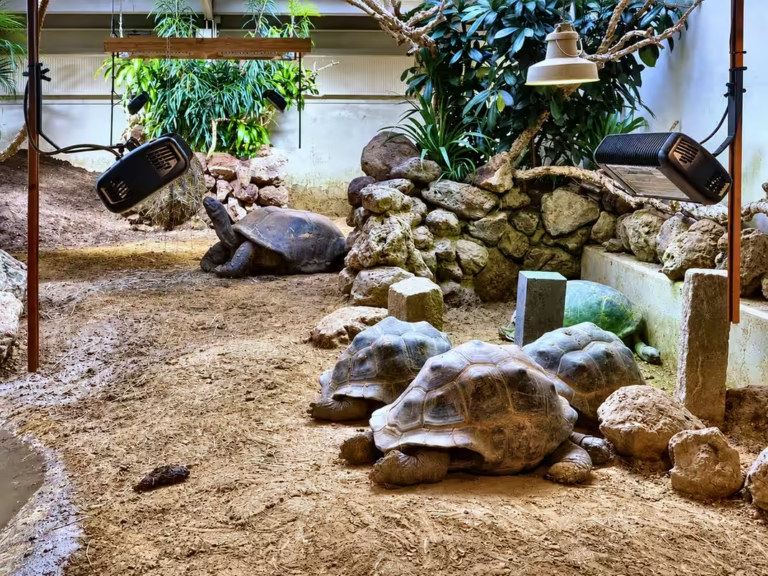
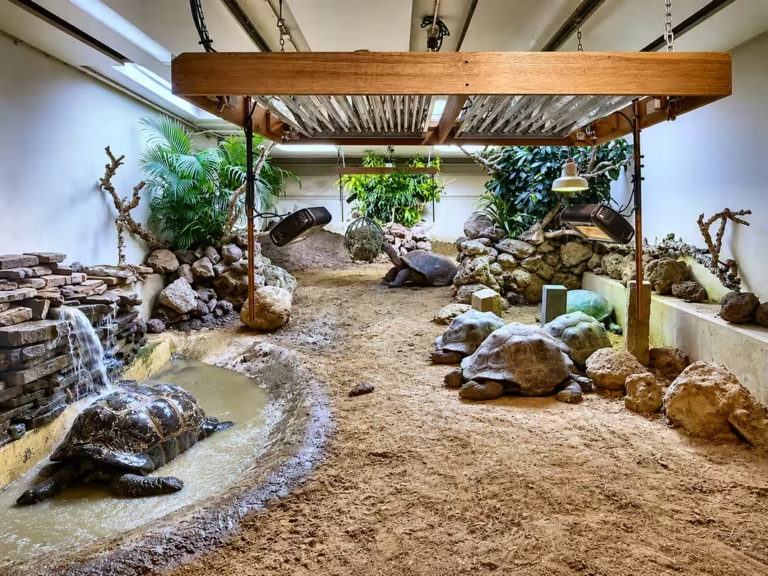
Balance the large mammals with birds, tortoises and butterflies. Children can compare movement, colours and ways of using space without needing to memorise a species list. The red birds and fruit-feeding butterflies in the photographs suit a simple observation game: find something still, something moving and something that is hard to notice at first. For a scheduled keeper talk, consult the daily programme; times and languages change. Choose one that fits your route instead of crossing the park repeatedly to collect every presentation.
Make room for water, plants, stars and microscopic life
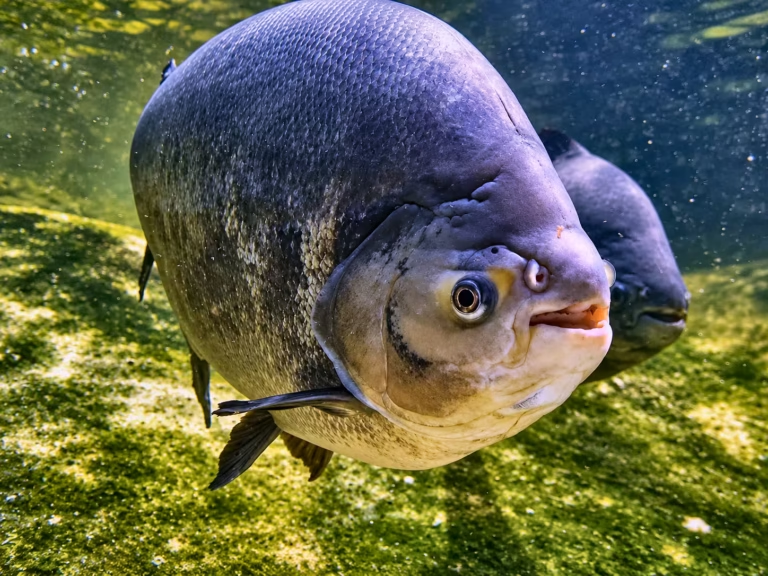
The Aquarium belongs in a current ARTIS plan again. It reopened on 13 June 2026 after a major restoration, according to the official reopening announcement. This matters because older travel guides may still describe it as closed. Check current visitor information before leaving home, especially if this is the main reason for your trip. The supplied underwater fish photograph is an illustration of the photo collection, not a verified image of the renewed Aquarium or a promise about a particular species.
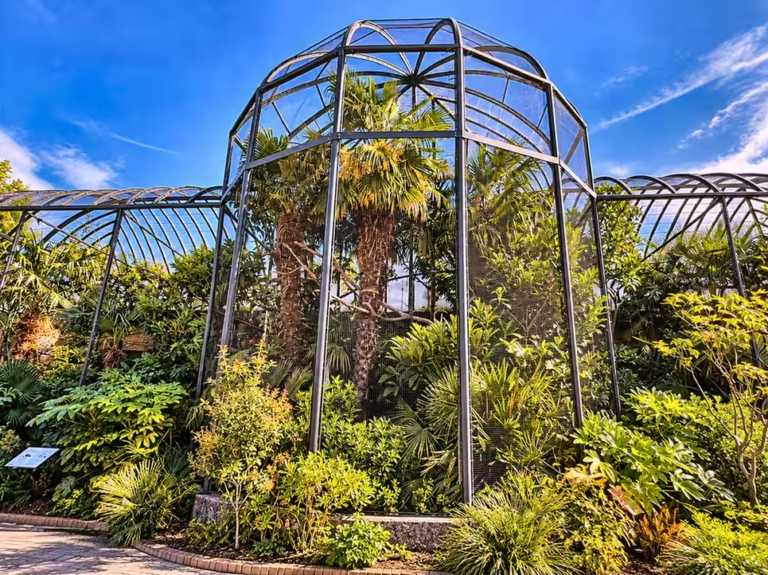
Plants deserve their own pause rather than filling the gaps between animals. The supplied photographs show foliage, planted borders and a glasshouse setting. Ask children to compare a broad leaf with a small one, or notice where light reaches the ground. You do not need to identify everything to make the stop worthwhile. Keep hands off unfamiliar plants and allow insects to move without being handled. A calm looking game can reset the pace between busy indoor spaces, particularly when different family members need different amounts of stimulation.
The Planetarium adds another scale to the day. Check the current show description, language and start time before making it your family’s indoor break. A dark room and a seated presentation will not suit every child at every moment. Aquarium and Planetarium access are included with the zoo ticket, while Micropia and Groote Museum require the relevant separate or combination admission. Check the official ticket comparison and the booking provider’s inclusion list; proximity does not make all three venues one admission product.
Micropia focuses on microbes, while Groote Museum explores connections between people and the wider living world. Choose according to curiosity and remaining attention, rather than buying every option because it is nearby. Check the Groote Museum visitor notice if step-free access matters: a lift fault was reported when this guide was checked. For another day of hands-on discovery, read our NEMO guide. Combining everything into a single long day is rarely the only sensible choice.
Street View beside ARTIS
Plantage Middenlaan beside the zoo, Google Street View, February 2022. These older surroundings are for orientation, not current entrance or tram instructions.
Open the panorama in Google Maps
Tickets, transport and a family day that leaves breathing space
Use Plantage Kerklaan 38–40 as the zoo destination. Before travelling, check the current getting-here page and a live public-transport planner. Routes and stops can change; older ARTIS pages contain different service numbers. Plan the last walk as carefully as the tram journey, particularly with a pushchair or tired child. If driving, check parking availability and conditions rather than assuming an entry ticket reserves a space. Keep the return route on your phone so that leaving does not require another round of planning.
Compare the actual date, age categories and inclusions before paying. Prices and offers change, and a cheaper late-afternoon product gives a different length of visit from a full-day ticket. The booking widget helps check availability; the final product page controls its conditions. Also consult official opening hours for your date. The live pages checked for this guide were not fully consistent about winter closing, so do not build a November or holiday itinerary around a summer closing time copied elsewhere.
With a pushchair, wheelchair or sensory access requirement, plan a route that suits the person, not a route that tries to cover every habitat. The accessibility page describes specific steep paths and other limitations; contact visitor services when a particular entrance or facility is essential. An indoor space can still be noisy or stimulating. Put a genuine quiet pause in the plan and let the family decide whether another presentation is welcome. These decisions are easier before anyone becomes exhausted.
Bring layers for the outdoor stretches and choose a meal stop before the children are very hungry. Check the visitor FAQ for current food and payment arrangements. For another outing, the National Maritime Museum provides a different theme, while our Amsterdam canals guide helps plan time on the water. Visiting ARTIS Amsterdam with kids works best as one satisfying day: choose three priorities, keep a flexible route and finish while there is still something to talk about on the journey home.


10 practical tips for visiting ARTIS Amsterdam with kids
- Let each family member choose one priority before planning the route.
- Check the current map rather than navigating only from the photographed plan.
- Choose one keeper talk that fits the route; confirm its language.
- Allow a real meal break between the outdoor walk and an indoor highlight.
- Check the Planetarium programme before choosing a show for younger children.
- Compare zoo admission with separate Micropia and Groote Museum tickets.
- Leave space at underwater windows and never tap on glass.
- Check specific steep paths and any lift notices when step-free access matters.
- Plan the final walk from public transport and save the return journey.
- Finish with a favourite while the family still has energy.
Frequently asked questions
How long should you allow when visiting ARTIS Amsterdam with kids?
Use roughly four to five hours as a flexible planning allowance, not an official minimum. Choose fewer stops with toddlers and leave extra museums for another day if attention fades.
Is the Aquarium open again?
Yes. ARTIS announced its reopening on 13 June 2026. Check the current visitor page for any temporary changes before travelling.
Does a zoo ticket include Micropia and Groote Museum?
Not automatically. Zoo admission includes the Aquarium and Planetarium; the two museums need the appropriate separate or combination ticket. Read the selected product’s inclusions.
Can we follow the map photograph as our route?
Use it for an overview only. Its capture date is unknown. The official interactive map and on-site directions take priority.
Will we definitely see every animal in the photos?
No. Animals may be out of view, habitats may change and the supplied photographs do not establish the current collection. Keep the route flexible.
Is ARTIS suitable with a wheelchair or pushchair?
Plan around your own access needs. The official accessibility page identifies specific limitations; confirm essential facilities and any museum lift issues with visitor services.
What if rain is forecast?
Bring suitable clothing for the outdoor paths and choose an indoor highlight that fits the family. A zoo visit still involves walking outside; check programmes and access before relying on an indoor option.
Sources and current visitor information
Checked on 15 October 2026. Timings, access conditions, habitats and transport may change. The photographs were supplied for this article; their capture dates are unknown.